
How a Dental Aligner Thermoforming Machine is Revolutionizing Clear Aligner Production!
 plasticformingmachine
 Share this Post to earn Money ( Upto ₹100 per 1000 Views )
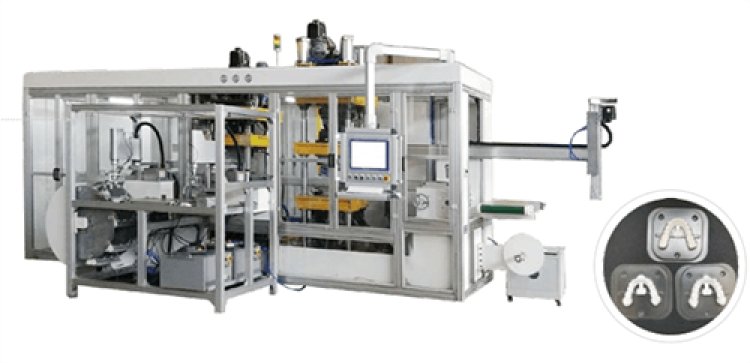
The dental industry has witnessed a profound transformation over the past decade, with clear aligners becoming the solution of choice for orthodontic treatment among adults and teenagers alike. This remarkable success story owes as much to digital dentistry as to breakthrough manufacturing equipment. At the heart of this revolution is the Dental Aligner Thermoforming Machine—a piece of advanced machinery that empowers clinics, dental labs, and manufacturers to produce high-quality, custom aligners with speed, consistency, and precision.
The Rise of Clear Aligners: Why Precision and Efficiency Matter
Clear aligners have redefined orthodontics by offering a nearly invisible, comfortable, and removable alternative to traditional metal braces. However, their effectiveness—and patient satisfaction—rests heavily on precision manufacturing. Each aligner must precisely fit the patient’s teeth based on digital scans and treatment plans. Achieving this high level of customization at scale presents both an opportunity and a challenge.
Here, the Dental Aligner Thermoforming Machine stands as the backbone of the digital aligner workflow:
- Digital design: Dentists use 3D scans and specialized software to design each step of the treatment.
- Model fabrication: Physical dental models—either 3D printed or milled—act as molds for each aligner stage.
- Thermoforming: High-grade medical thermoplastic sheets are vacuum-formed over the models by the Dental Aligner Thermoforming Machine.
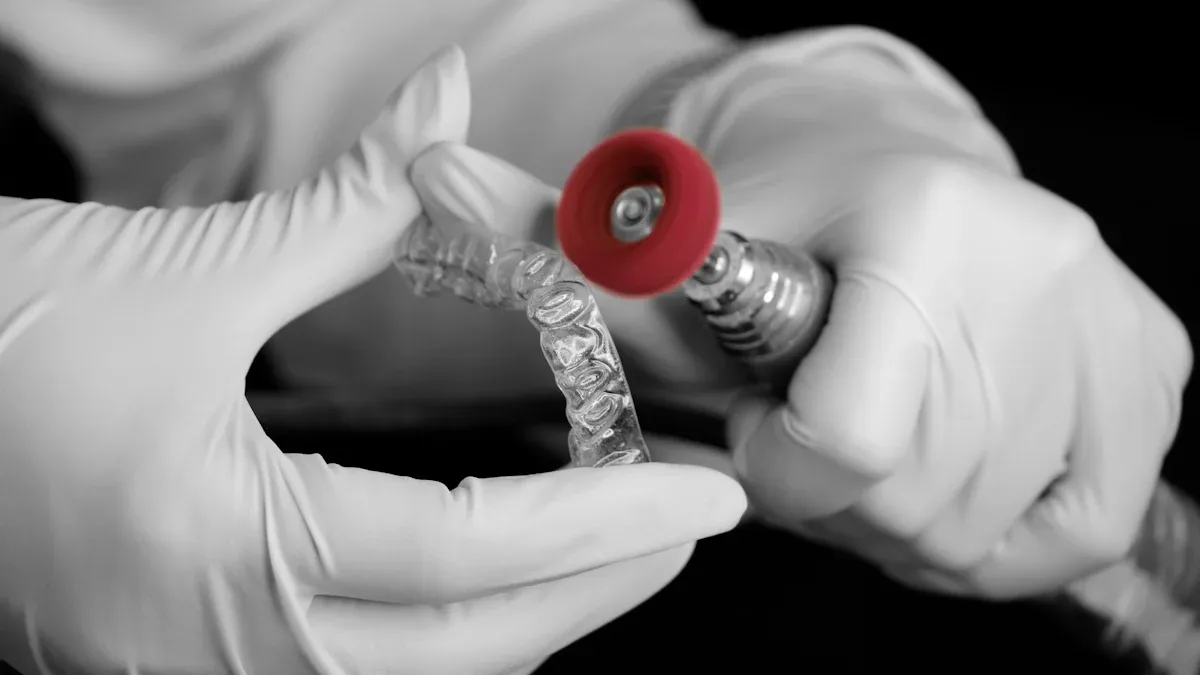
- Trimming and finishing: The formed aligners are separated, edges are trimmed, and surfaces are polished for comfort.
The speed, accuracy, and repeatability of thermoforming directly impact the fit, comfort, and clinical success of the final aligner.
What Is a Dental Aligner Thermoforming Machine?
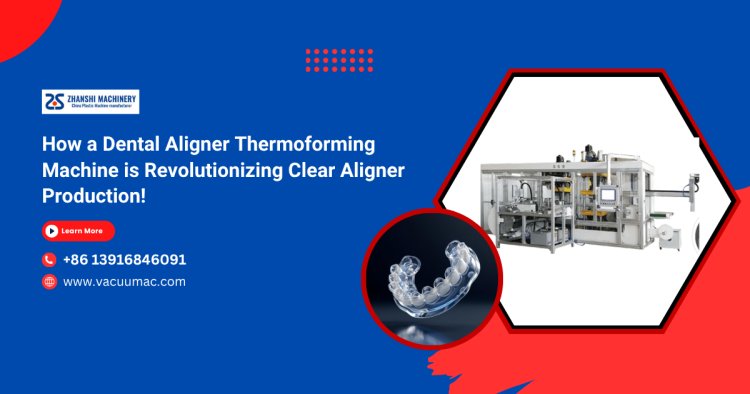
A Dental Aligner Thermoforming Machine is a specialized automated device designed to heat thin, medical-grade plastic sheets to the ideal forming temperature, then conform them precisely over a dental model using vacuum, pressure, or both. Afterward, the plastic cools and retains the exact form of the model, creating a clear aligner that matches the patient’s unique prescription.
While traditional vacuum forming machines have existed for years, the demands of high-precision dental appliances, alongside digital integration, have propelled the Dental Aligner Thermoforming Machine into a league of its own. The best machines combine digital controls, precise temperature regulation, rapid forming cycles, and intuitive interfaces to streamline every step of aligner production.
Key Features of Modern Dental Aligner Thermoforming Machines
- Precise temperature control for consistent forming and material properties
- Strong vacuum or pressure forming to capture intricate tooth geometries
- Programmable digital control panels for storing and recalling optimal forming recipes
- Compatibility with a wide range of aligner thermoplastics (PETG, PU, PC, etc.)
- Fast cycle times and automatic cooling for high-throughput production
- User-friendly design facilitating quick operator training and safety
The Manufacturing Revolution: How Dental Aligner Thermoforming Machines Are Changing the Game
1. Digital Integration and Workflow Automation
The modern Dental Aligner Thermoforming Machine integrates seamlessly with dental lab workflows. Thanks to CAD/CAM software and 3D printers, dental models are rapidly created for each treatment stage. The thermoforming machine’s digital platform allows technicians to choose the ideal settings for different materials, aligner thicknesses, and retention requirements.
Newer models from Shanghai Zhanshi Mechanical Equipment Co., Ltd. feature:
- Pre-programmed material profiles
- Touchscreen interfaces with intuitive controls
- Connectivity with laboratory information management systems (LIMS) or other workflow software
- Automation options for batch processing multiple aligners simultaneously
With these features, the risk of human error drops significantly, boosting production speed and ensuring each aligner meets exacting standards.
2. Superior Material Handling and Consistency
Clear aligners require flawless transparency, flexibility, and biocompatibility. The latest machines are engineered for next-gen plastics and composite films, supporting advances in:
- Thinner sheets (for more comfortable wear)
- High-impact and crack-resistant materials
- Multi-layered plastics for enhanced elasticity and stain resistance
Temperature and pressure are precisely regulated throughout the cycle. The result: consistently bubble-free, distortion-free, crystal-clear aligners—every time.
3. High Output for Growing Demand
As clear aligner therapy has surged, so needs scalability in production. Dental labs face the challenge of producing dozens or even hundreds of aligners a day—across different patients and treatment stages. Advanced Dental Aligner Thermoforming Machines offer:
- Short cycle times (as little as 30 seconds per aligner)
- Batch processing capability
- Minimal downtime with robust, reliable components
- Quick-change clamping systems for different model sizes
For larger manufacturers, this scalability means fulfilling more cases—and growing the business—without compromising quality.
4. Enhanced Fit and Comfort for Patients
Ultimately, quality of fit is paramount. Any inconsistency during forming may cause aligners to be uncomfortable, less effective, or even unusable. Thanks to precise forming, advanced sensors, and automated diagnostics, modern machines consistently deliver:
- Perfect adaptation to each dental model
- Even pressure distribution during forming
- Elimination of bubbles or thin spots
Patients—and their dentists—enjoy predictable results and higher satisfaction.
5. Cost and Resource Efficiency
Efficient machines help reduce costs in several key areas:
- Material savings: Consistent forming reduces waste, and leftover sheet can be easily recycled.
- Labor savings: Automation shortens training times and reduces manual rework.
- Energy efficiency: Modern units use rapid heating and insulated chambers to minimize power consumption.
- Maintenance: With robust parts and digital monitors for predictive maintenance, downtime is minimal and planned.
Real-World Impact: Applications and Success Stories
Dental Labs: Delivering Custom Aligners Fast
Small and large dental labs alike are moving toward in-house aligner production with the help of trusted Dental Aligner Thermoforming Machine providers. The benefits:
- Control over workflow and lead times
- Immediate quality feedback
- Ability to offer faster turnaround to dental clinics
- Reduced reliance on external suppliers
Orthodontic Clinics: Chairside Solutions
For some clinics, a compact Dental Aligner Thermoforming Machine enables chairside fabrication—making small adjustments, retainers, or repairs possible within hours, not weeks.
New Entrants: Private-Label and White-Label Manufacturing
Entrepreneurs and new ortho-tech firms can quickly enter the clear aligner market with plug-and-play manufacturing setups, creating their own brands or providing contract manufacturing for established names.
Research and Innovation: Next-Gen Aligners
Material scientists and dental technologists are developing newer, smarter aligner materials—think colored, scented, or even nanotechnology-infused plastics. With a high-spec thermoforming machine, experimental cycles are short and cost-effective, accelerating R&D.
Technology Trends: The Future of Dental Aligner Thermoforming
Industry 4.0 and Smart Manufacturing
Machines now connect to cloud-based dashboards for remote monitoring, data logging, predictive maintenance, and workflow optimization. Labs can monitor output, material usage, and machine health from any location.
AI-Assisted Quality Control
Combination of computer vision and AI can now automatically inspect clear aligners for bubbles, edges, and form defects, ensuring only perfect appliances reach the finishing stage.
Integration with Digital Dentistry
As intraoral scanners, digital patient records, and AI-powered treatment planning become standard, Dental Aligner Thermoforming Machines tie directly into this ecosystem—receiving model files, suggested parameters, and even maintenance updates digitally.
Eco-Friendliness and Material Innovation
Manufacturers and dental labs are under pressure to reduce their carbon footprint. New advances enable:
- Use of biodegradable or recycled medical thermoplastics
- Material-efficient forming reducing sheet thickness without loss of strength
- Energy savings through optimized heating and insulation
Factors to Consider When Choosing a Dental Aligner Thermoforming Machine
1. Precision and Repeatability
Can the machine consistently deliver exact forming, time after time, across different models and materials?
2. Cycle Time and Throughput
Does the equipment meet your volume needs—now and as your demand grows?
3. User Interface and Software Integration
Can technicians easily operate the system and connect it with your digital workflows?
4. Material Versatility
Is the machine approved and designed for all aligner-compatible plastics (including future developments)?
5. After-Sales Support and Training
Does the manufacturer offer technical support, training, and fast parts delivery?
6. Maintenance and Longevity
Are the components durable, and is preventive maintenance straightforward?
The Shanghai Zhanshi Advantage
As a leading provider, Shanghai Zhanshi Mechanical Equipment Co., Ltd. combines:
- Precision engineering: Every machine is built for unmatched consistency and quality
- Customized solutions: Options for small labs to industrial-scale facilities
- Intuitive controls: Our systems are simple to use, yet powerful
- Material compatibility: All major dental thermoplastics and future-proof flexibility
- Industry expertise: Dedicated support, training, and workflow integration
- Ongoing innovation: We keep your lab at the forefront of dental manufacturing technology
By partnering with an experienced technology provider, your lab or clinic ensures the very best in clear aligner production—every step of the way.
The Bright Future of Digital Dentistry
The clear aligner revolution is far from over—it’s just getting started. As more people seek discreet, effective orthodontic treatment, the demand for precise, comfortable aligners will continue to soar. Investing in a Dental Aligner Thermoforming Machine is the smartest step any dental practice or lab can take to deliver exceptional results, streamline workflows, and scale alongside this fast-growing field.
Frequently Asked Questions (FAQ)
Q1: What types of plastics are used for clear aligners, and are Dental Aligner Thermoforming Machines compatible with all?
A: The most widely used plastics include PETG, polyurethane (PU), polycarbonate (PC), and other medical-grade, biocompatible thermoplastics. Top-tier Dental Aligner Thermoforming Machines, such as those from Shanghai Zhanshi, are compatible with all major aligner materials and can be programmed for new materials as they are developed.
Q2: How does the forming process differ between vacuum and pressure forming machines?
A: Most aligner machines use a combination of vacuum and pressure to achieve a close, bubble-free adaptation over intricate models. Vacuum forming is sufficient for many applications, but pressure forming creates even more precise detail—especially for sharper anatomy or thinner sheets.
Q3: How do digital controls make a difference?
A: Digital controls enable technicians to set exact temperature and pressure profiles, recall saved material recipes, and ensure consistent cycles. This dramatically reduces user error and variation, which is crucial for medical devices like aligners.
Q4: Can small clinics or labs afford a Dental Aligner Thermoforming Machine?
A: Yes! Recent innovations offer a range of machines—from entry-level manual units for small clinics to fully automated, high-throughput lines for major labs. Shanghai Zhanshi offers scalable solutions for every need.
Q5: Is operator training required?
A: While these machines are user-friendly, training is strongly recommended. Our company provides comprehensive onboarding, video tutorials, and ongoing support to make the learning curve short and the results exceptional.
Q6: How long does it take to make a single clear aligner using the machine?
A: The actual forming cycle can take as little as 30 seconds to 2 minutes, depending on the material and thickness. Additional time is required for trimming and finishing, which can be further accelerated with integration or automation.
Q7: What is the expected lifespan and maintenance requirement for such machines?
A: With basic preventive care, these machines can last many years—often a decade or more. Routine tasks involve cleaning heating plates, checking seals, and software updates.
Q8: How can I ensure quality control for each aligner produced?
A: Modern machines offer process logging, while additional inspection—either manual or automated—ensures that every aligner meets clinical standards. We also provide integration with digital tracking systems.
Q9: Are these machines suitable for new materials, like biodegradable plastics?
A: Absolutely. Our systems are constantly updated and tested for compatibility with next-generation materials, including biodegradable or recycled plastics as they become available.
Q10: How do I get started?
A: Simply contact a Shanghai Zhanshi adviser. We’ll assess your clinic or lab’s needs, demonstrate suitable models, and guide you through installation, training, and support.
















