What Is a Bulk Bag Filling Machine and Why Is It the Best Solution for Large-Scale Material Packaging
Learn what a bulk bag filling machine is, how it works, its benefits, applications, types, and why it is essential for efficient industrial bulk packaging operations.
 keithwillson1
Share this Post to earn Money ( Upto ₹100 per 1000 Views )
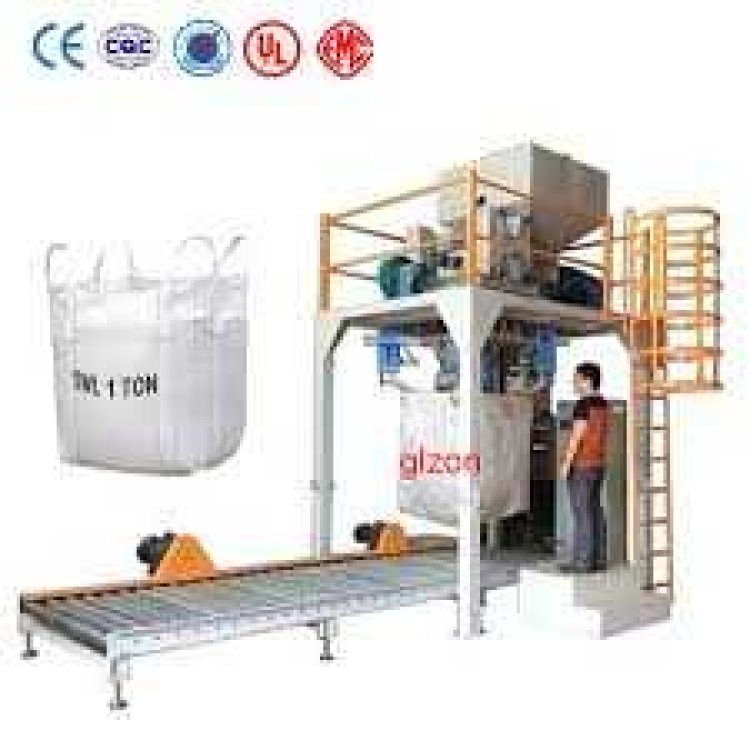
Industries that package large quantities of powders, granules, flakes, pellets, and other bulk materials require equipment that delivers speed, precision, and reliability. A Bulk Bag Filling Machine is specifically designed to fill Flexible Intermediate Bulk Containers (FIBCs), commonly known as jumbo bags or bulk bags, with maximum efficiency. These machines help manufacturers reduce labor costs, improve packaging accuracy, and increase production capacity. At Bagging Machine, advanced bulk bag filling solutions are engineered to meet the packaging needs of industries ranging from agriculture and food processing to chemicals, mining, and construction.
What Is a Bulk Bag Filling Machine?
A Bulk Bag Filling Machine is an automated or semi-automated industrial system used to fill large bulk bags with various dry materials. The machine accurately dispenses a predetermined quantity of product into the bag while maintaining consistent weight and minimizing material loss. Bulk bag filling machines are designed to handle products of different densities and flow characteristics, making them suitable for a wide variety of industrial applications.
How Does a Bulk Bag Filling Machine Work?
The filling process starts by positioning an empty bulk bag beneath the filling spout. The bag is secured using support hooks and clamping mechanisms to keep it stable during filling.
Material is delivered into the bag through a suitable feeding system, such as gravity, auger, belt, or vibratory feeding, depending on the product type. Built-in load cells continuously monitor the bag's weight to ensure accurate filling.
Once the desired weight is reached, the system automatically stops dispensing. The filled bag is then released and transferred to the next stage for sealing, palletizing, or transportation.
This automated workflow ensures faster production and consistent packaging quality.
Major Components of a Bulk Bag Filling Machine
Bulk Bag Support Frame
Supports the jumbo bag securely throughout the filling process.
Filling Spout
Provides a tight connection between the machine and the bag to prevent product leakage and dust emissions.
Feeding System
Controls the flow of material into the bag using gravity, auger, vibratory, or belt feeders.
Load Cell Weighing System
Accurately measures the weight during filling for precise packaging.
Dust Collection System
Reduces airborne dust, creating a cleaner and safer work environment.
PLC Control Panel
Allows operators to control machine settings, monitor production, and adjust filling parameters.
Conveyor Integration
Automatically transports filled bags for sealing, storage, or shipping.
Benefits of Using a Bulk Bag Filling Machine
High Filling Accuracy
Advanced weighing systems ensure every bag is filled to the required weight with minimal variation.
Increased Productivity
Automated filling significantly reduces packaging time and increases output.
Reduced Labor Costs
Automation decreases the need for manual handling and lowers operating expenses.
Less Product Waste
Accurate dispensing minimizes overfilling, underfilling, and material loss.
Improved Workplace Safety
Automated bag handling reduces heavy lifting and minimizes operator fatigue.
Cleaner Packaging Process
Integrated dust control systems help maintain a cleaner production environment.
Consistent Product Quality
Uniform filling ensures every package meets quality standards and customer expectations.
Applications of Bulk Bag Filling Machines
Bulk bag filling machines are widely used in various industries.
Agriculture
Packaging fertilizers, grains, seeds, and animal feed.
Food Industry
Filling flour, sugar, rice, salt, coffee beans, starch, and food ingredients.
Chemical Industry
Packaging powdered chemicals, pigments, resins, and industrial additives.
Construction
Handling cement, sand, lime, gypsum, and construction materials.
Mining Industry
Packaging minerals, silica, ores, and industrial powders.
Plastic Manufacturing
Filling plastic pellets, polymer granules, and recycled materials.
Pharmaceutical Industry
Packaging powdered raw materials in hygienic production environments.
Types of Bulk Bag Filling Machines
Manual Bulk Bag Filling Machine
Suitable for small-scale production with manual bag placement.
Semi-Automatic Bulk Bag Filling Machine
Combines manual bag loading with automated filling and weighing.
Fully Automatic Bulk Bag Filling Machine
Performs bag positioning, filling, weighing, discharge, and conveyor transfer with minimal operator involvement.
Gravity Filling Machine
Designed for free-flowing materials such as grains and pellets.
Auger Filling Machine
Ideal for powders that require controlled feeding.
Vibratory Filling Machine
Perfect for fragile or irregularly shaped products.
Important Features to Look For
When choosing a bulk bag filling machine, consider the following features:
- High-speed filling capability
- Precision load cell weighing
- Adjustable filling rates
- Automatic bag clamping
- Dust-tight filling spout
- PLC touchscreen controls
- Stainless steel construction
- Conveyor compatibility
- Bag vibration system
- Easy maintenance access
Selecting a machine with these features improves operational efficiency and long-term performance.
Why Businesses Choose Automated Bulk Bag Filling Machines
Automation provides several competitive advantages for manufacturers.
Automated systems improve production consistency, reduce human error, and simplify quality control. They also integrate seamlessly with palletizers, conveyors, checkweighers, and warehouse management systems.
Real-time production monitoring helps managers optimize performance while reducing downtime and maintenance costs.
Maintenance Tips
Regular maintenance keeps the machine operating efficiently.
- Clean the filling spout after each production cycle.
- Inspect load cells for calibration accuracy.
- Lubricate moving components according to the maintenance schedule.
- Check pneumatic and electrical connections.
- Replace worn seals and clamps.
- Empty dust collection filters regularly.
- Inspect bag support hooks for wear.
- Perform preventive maintenance at scheduled intervals.
Routine maintenance extends equipment life and ensures reliable operation.
How to Select the Right Bulk Bag Filling Machine
Choosing the right machine depends on several factors.
Consider:
- Material type
- Flow characteristics
- Production capacity
- Required filling accuracy
- Bag size
- Available installation space
- Automation requirements
- Dust control needs
- Maintenance requirements
- Future production expansion
A machine tailored to operational requirements provides the best long-term return on investment.
Future Trends in Bulk Bag Filling Technology
Industrial packaging continues to advance with smarter automation technologies.
Emerging innovations include:
- Artificial intelligence for process optimization
- IoT-enabled machine monitoring
- Predictive maintenance systems
- Cloud-based production reporting
- Energy-efficient drive systems
- Smart weighing technology
- Remote diagnostics
- Advanced touchscreen HMIs
These technologies improve production efficiency while lowering operational costs.
Conclusion
A Bulk Bag Filling Machine is an indispensable solution for businesses that need fast, accurate, and reliable bulk packaging. By automating the filling process, these machines increase productivity, reduce waste, improve workplace safety, and deliver consistent packaging quality. Whether used in agriculture, food processing, mining, chemicals, or manufacturing, investing in a high-quality bulk bag filling machine helps businesses enhance efficiency and remain competitive in today's industrial market.
Frequently Asked Questions (FAQs)
1. What is a bulk bag filling machine?
A bulk bag filling machine is industrial equipment designed to accurately fill large FIBC or jumbo bags with powders, granules, pellets, and other bulk materials.
2. Which industries use bulk bag filling machines?
Agriculture, food processing, chemical manufacturing, mining, plastics, pharmaceuticals, and construction industries commonly use these machines.
3. Can one bulk bag filling machine handle different materials?
Yes. Modern machines can package a wide variety of dry bulk materials by using different feeding systems and adjustable filling settings.
4. What are the benefits of an automatic bulk bag filling machine?
Automatic machines improve productivity, reduce labor costs, enhance filling accuracy, minimize product waste, and create a safer work environment.
5. How often should a bulk bag filling machine be maintained?
Routine cleaning should be performed daily, while inspections, calibration, and preventive maintenance should follow the manufacturer's recommended maintenance schedule.