Freer Elevator Surgical Instrument: A Versatile Tool in Modern Surgery
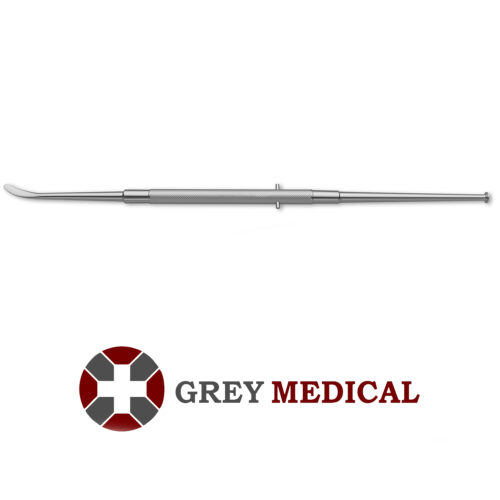
Freer Septum Elevator single-ended, curved, 5.0 mm wide, 7-1/2″ (19.1 cm) Freer Septum Elevator is commonly used in nasal septum surgeries.
 GreyMed
Share this Post to earn Money ( Upto ₹100 per 1000 Views )
Surgical instruments are the backbone of effective medical procedures, and among them, the Freer Elevator stands out as an indispensable tool. Known for its versatility and precision, this Freer Elevator instrument plays a critical role in various surgeries, making it a staple in operating rooms worldwide.
What Is the Freer Elevator?
The Freer Elevator is a dual-ended surgical instrument designed specifically for delicate procedures. It features a slender, elongated body with flat, slightly curved ends that vary in width and size. This configuration allows surgeons to perform tasks that require precision and finesse without causing unnecessary damage to surrounding tissues. Commonly made of stainless steel, the instrument is durable, easy to sterilize, and resistant to corrosion, making it suitable for repeated use.
Initially developed for use in otolaryngology and plastic surgery, the goldman elevator has since found widespread application across a range of medical disciplines due to its adaptability.
Uses of the Freer Elevator in Surgery
The Freer Elevator offers remarkable versatility that has made it essential in many surgical settings. It is frequently employed for separating tissues, lifting periosteum, and dissecting or manipulating cartilage and bone with minimal trauma. Its fine design ensures that it can be used in regions requiring extra care, such as near nerves and blood vessels.
One of its primary applications is in rhinoplasty, where it is essential for reshaping and contouring nasal structures. Surgeons use it to elevate the periosteum, ensuring precise modifications to the nasal bone and cartilage. Additionally, it is a vital tool during reconstructive surgeries involving small bones, tissue grafting, or the realignment of structures, where precision is paramount.
The Freer Elevator's role extends beyond cosmetic and reconstructive cases. It is also frequently used during neurosurgical procedures for delicate tissue handling and in orthopedic surgeries for tasks like lifting bone fragments. Its adaptability allows surgeons to employ it in various specialties, making it a go-to instrument for challenging procedures.
Unique Features and Design
What sets the Freer Elevator apart is its thoughtfully crafted design. The instrument’s dual-ended tips provide flexibility, allowing a surgeon to switch between ends based on the task at hand, reducing the need to use multiple instruments during a procedure. The flat edges are gently curved, giving the surgeon better control and access to hard-to-reach areas. Its slender handle is ergonomically designed, aiding precision and reducing hand fatigue during intricate operations.
Furthermore, the instrument’s build quality ensures longevity despite frequent use. Modern versions often come with different finish options, including polished, satin, or matte, to reduce glare under surgical lights and enhance visibility during procedures. These features collectively make the Freer Elevator an exemplary model of functional, user-centric design in medical instruments.
The Importance of the Freer Elevator in Medical Procedures
The significance of the Freer Elevator lies in its ability to improve surgical outcomes. By allowing surgeons to perform delicate maneuvers with unmatched accuracy, it minimizes tissue damage, reduces post-operative recovery time, and increases the overall success rate of surgeries. Its utility across various fields underscores its essential role in advancing surgical techniques and delivering improved patient care.
Surgeons trust the Freer Elevator for its reliability, noting its importance in both routine and complex medical scenarios. The instrument represents how innovation and precision in design can directly impact the quality of healthcare provided globally.
Conclusion
The Freer Elevator is much more than just a surgical tool; it is a testament to the precision and ingenuity of medical device design. Its applications span the spectrum of surgeries, from rhinoplasty to intricate neurosurgical operations, highlighting its versatility and importance. By combining functionality and durability, this instrument has earned its place as a staple in operating rooms. For surgeons seeking precision and efficiency, the Freer Elevator remains an invaluable ally in delivering better medical outcomes.