9H Ceramic Coating vs 10H Graphene: Which One Should You Choose?
 Ayush Gupta
Share this Post to earn Money ( Upto ₹100 per 1000 Views )
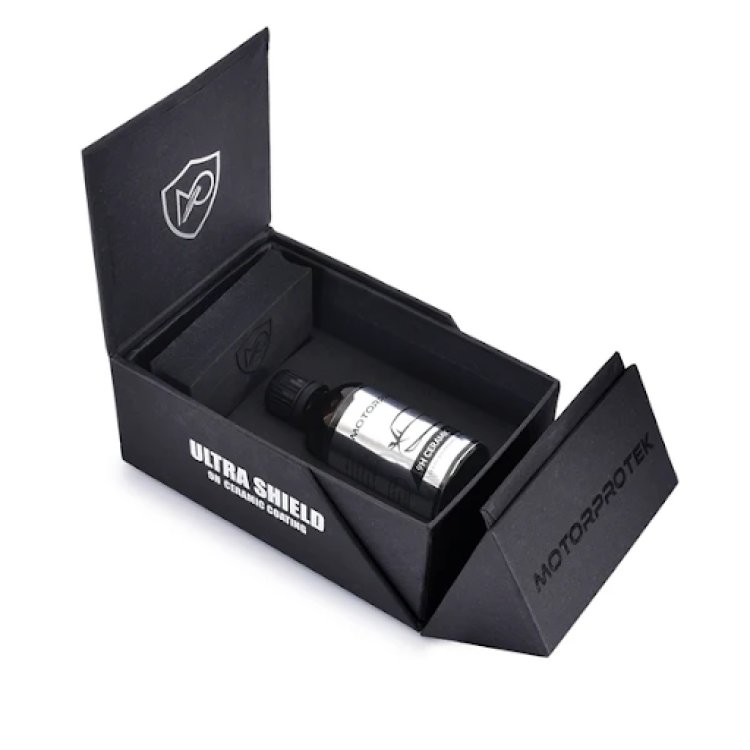
Anyone planning to protect a car's paint will eventually come across two familiar names—9H ceramic coating and 10H graphene coating. They are often advertised as premium solutions, and on paper, both promise long-lasting gloss, water repellency, and easier maintenance.
That sounds straightforward until you begin comparing them. One detailing studio recommends ceramic, another insists graphene is the latest upgrade, and online discussions rarely reach the same conclusion. The result is that many owners spend more time deciding than they expected.
The truth is, neither option is universally "better." Each has its strengths, and the right choice depends more on how the car is used than on whichever product has the bigger marketing claim.
Understanding 9H Ceramic Coating
The 9H ceramic coating is a liquid coating that reacts with the clear coat of your car after it dries. After applying the coating, you will have a permanent coating over the paint and not just cover the paint as it is with waxing.
The "9H" is actually an indicator of pencil hardness, which is often used to measure scratch resistance. The term is not a guarantee of scratch-proofing the paint, but it improves the scratch resistance to swirl marks and washes from the environment.
Owners usually notice the visual difference first. The paint develops a richer gloss, reflections appear sharper, and water forms tight beads instead of spreading across the surface.
That glossy finish is one of the biggest reasons ceramic coating continues to be popular.
Where 10H Graphene Coating Comes In
Graphene coating entered the market much later, bringing with it a wave of curiosity.
Rather than replacing ceramic technology, most 10H graphene coating systems build on similar chemistry while introducing graphene particles into the formulation. The goal is to improve certain performance characteristics rather than reinvent paint protection altogether.
Many owners also feel that graphene-coated cars attract slightly less dust, although the difference often depends on the specific product and installation quality.
What Changes in Everyday Driving?
This is where practical experience becomes more useful than marketing brochures.
Both coatings make routine maintenance noticeably easier.
Dust doesn't cling to the paint as firmly, washing requires less effort, and rainwater tends to roll away instead of drying into stubborn marks.
If your car spends most of its life in city traffic, you'll probably appreciate these everyday conveniences more than laboratory performance figures.
The gap between ceramic and graphene isn't dramatic during normal driving. Both perform well when maintained properly.
Durability: Is One Clearly Better?
Not really.
A professionally installed 9H ceramic coating can remain effective for several years with proper maintenance. The same is true for a quality 10H graphene coating.
Longevity depends on factors that owners often overlook—washing habits, environmental conditions, preparation before installation, and the skill of the detailer.
A carefully installed ceramic coating will usually outperform a poorly applied graphene coating.
That's why experienced installers often emphasize preparation instead of simply recommending whichever product happens to be newer.
Appearance Matters Too
Some owners choose paint protection almost entirely for the finish it creates.
Ceramic coating is known for producing a bright, glass-like shine that makes colors appear deeper and more reflective.
Graphene coatings generally create a similar effect, although some enthusiasts describe the finish as slightly warmer or more natural rather than intensely glossy.
The difference exists, but it's subtle enough that many people wouldn't notice unless the two vehicles were parked side by side.
Which One Is Easier to Maintain?
Fortunately, both are fairly simple to look after.
Neither requires frequent polishing or repeated waxing.
Regular washing with a pH-neutral shampoo and proper drying methods are usually enough to preserve performance.
Automatic brush washes are best avoided, not because they'll immediately damage the coating, but because they can introduce swirl marks over time.
Good maintenance habits often matter more than choosing between ceramic and graphene.
Should You Upgrade Just Because Graphene Is Newer?
Absolutely not.
The use of newer technology does not guarantee an entirely different car owner experience.
Since the effectiveness of your current ceramic coating cannot be questioned, its replacement for no other reason except the emergence of graphene technology does not make economic sense.
At the same time, when your car is new and you can afford both options, consulting an experienced specialist on the pros and cons of each can be helpful.
Installation Quality Is the Real Deciding Factor
This point is often overlooked.
Whether you choose ceramic or graphene, the final result depends heavily on the preparation work done beforehand.
The paint should be properly washed, decontaminated, and, where necessary, machine polished before the coating is applied. Any defects left behind become sealed beneath the protective layer.
Likewise, curing conditions and application technique influence durability just as much as the coating itself.
Choosing a reputable detailing studio is usually a better investment than chasing the latest product label.
Conclusion
Comparing 9H ceramic coating with 10H graphene coating isn't really about finding a winner. Both technologies offer excellent protection against UV exposure, oxidation, road grime and everyday environmental contaminants while making routine maintenance much easier.
The ceramic coating remains a strong choice, providing consistent quality and high shine, which is why it continues to be one of the most reliable detailing options for vehicles. The use of graphene coating brings some improvements, especially when it comes to heat resistance and slickness, but it does not make the ceramic coating completely redundant.
In most cases, what works best depends on the quality of application and reasonable expectations and actual vehicle usage. A coating that is applied properly will always outshine any top-notch product that is applied without proper preparations.