How to Protect Wooden Shoe Racks from Monsoon Moisture and Termites
Protect your wooden shoe rack from monsoon moisture and termites with simple maintenance tips to keep it durable, clean, and long-lasting.
 arun.ahirwar
Share this Post to earn Money ( Upto ₹100 per 1000 Views )
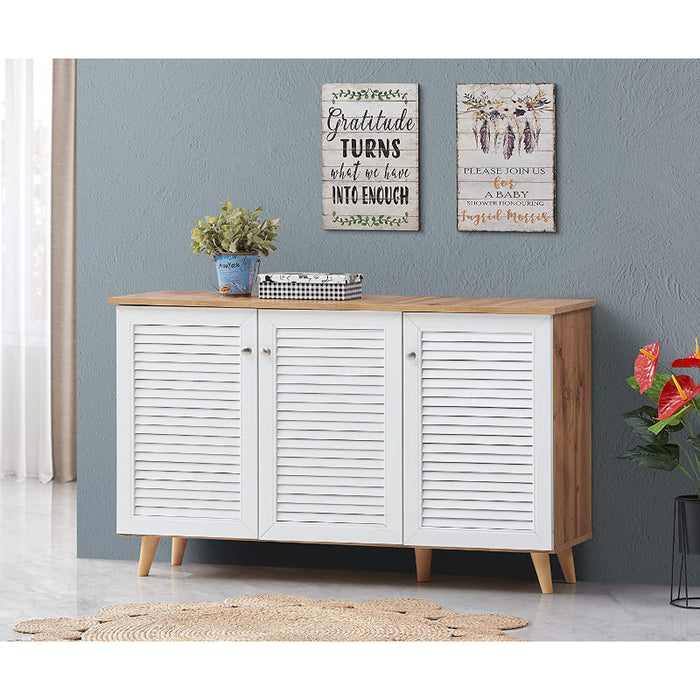
A wooden shoe rack is more than just a storage unit. It helps keep your footwear organized, protects your shoes from dust, and adds warmth and elegance to your home décor. Wooden furniture is known for its durability and timeless appeal, but it also requires proper care, especially during the monsoon season. Increased humidity, moisture, and damp conditions can affect the quality of wood over time. If left unchecked, moisture can lead to swelling, mold, unpleasant odors, and even termite infestations.
The good news is that protecting your wooden shoe rack from monsoon moisture and termites is not difficult. With regular maintenance and a few preventive measures, you can keep your furniture looking beautiful and functioning well for many years. This guide explains practical ways to protect your wooden shoe rack during the rainy season while preventing termite damage.
Why Monsoon Is Challenging for Wooden Furniture
The monsoon season brings high humidity levels that increase the amount of moisture in the air. Wood naturally absorbs moisture from its surroundings. When this happens repeatedly, the wood may expand, warp, or develop cracks as it dries. Excess moisture can also encourage mold and mildew growth, leaving unpleasant smells inside your shoe rack.
Another concern during the rainy season is termites. Damp wooden furniture becomes more attractive to termites because moisture softens the wood, making it easier for them to feed and build colonies. Regular care during monsoon helps prevent both moisture damage and pest infestations.
Choose the Right Location for Your Wooden Shoe Rack
The placement of your wooden shoe rack plays an important role in protecting it from moisture. Avoid placing the rack directly near entrances where rainwater may enter the house. Even small amounts of water splashing onto the furniture every day can damage the finish over time.
It is also best to keep the shoe rack away from damp walls. Walls that absorb rainwater can transfer moisture to wooden furniture. Leave a small gap between the rack and the wall to allow proper air circulation. Good ventilation helps keep the wood dry and reduces humidity around the furniture.
If possible, place the shoe rack in a well-ventilated area where fresh air flows naturally. Proper airflow prevents moisture from settling inside the storage compartments.
Keep Shoes Dry Before Storing Them
One of the most common reasons wooden shoe racks become damp is storing wet shoes. During the rainy season, shoes often carry water, mud, and moisture into the house. Placing wet footwear directly inside the rack increases humidity and creates an ideal environment for mold and termites.
Allow your shoes to dry completely before storing them. Wipe off excess water using a clean cloth and leave them in a ventilated space until they are dry. This simple habit helps protect both your shoes and your wooden shoe rack.
Clean the Shoe Rack Regularly
Regular cleaning prevents dirt, dust, and moisture from building up on the surface of the wood. Use a soft, dry microfiber cloth to remove dust every few days. For deeper cleaning, use a slightly damp cloth followed immediately by a dry cloth.
Avoid soaking the wood with water or using harsh cleaning chemicals. Excess water can seep into the wood, while strong chemicals may damage the protective finish.
Pay extra attention to the inside compartments where dust and moisture often collect. Keeping the interior clean reduces the chances of fungal growth and unpleasant odors.
Use Moisture Absorbers
Moisture absorbers are highly effective during the monsoon season. Products such as silica gel packets, activated charcoal, or moisture absorber containers help control humidity inside enclosed storage spaces.
Place a few silica gel packets inside the compartments of your wooden shoe rack. Replace them regularly once they become saturated. Activated charcoal also absorbs excess moisture while helping eliminate odors.
These simple products provide an extra layer of protection against dampness without affecting your furniture.
Apply Protective Wood Polish
Wood polish acts as a protective barrier against moisture. Applying a quality wood polish or furniture wax every few months helps seal the surface and reduces water absorption.
A polished surface also enhances the appearance of the wood while making it easier to clean. Always use products recommended for wooden furniture and follow the manufacturer's instructions for the best results.
If your shoe rack has a protective laminate or engineered wood finish, use cleaners and polish suitable for that specific material.
Inspect for Early Signs of Termites
Regular inspection helps identify termite activity before it becomes a serious problem. Look for small holes, hollow sounds when tapping the wood, mud tubes, or fine wood dust around the shoe rack.
If you notice any of these warning signs, act immediately. Early treatment can prevent extensive damage and save your furniture from costly repairs.
Professional pest control services can effectively eliminate termite infestations if detected early.
Use Anti-Termite Treatments
Applying preventive anti-termite solutions provides additional protection for wooden furniture. Many wood-safe anti-termite sprays are available that create a protective layer without damaging the finish.
Natural options like neem oil are also used by some homeowners as a preventive measure. While natural remedies may help discourage termites, they should not replace professional treatment if an infestation has already started.
For long-term protection, consider scheduling periodic termite inspections, especially if you live in areas where termite activity is common.
Avoid Overloading the Shoe Rack
A wooden shoe rack performs best when used within its recommended weight capacity. Overloading the shelves places extra stress on the structure and may create small cracks where moisture can enter.
Organize your footwear neatly and avoid stacking too many heavy items on a single shelf. Proper organization improves airflow inside the rack and reduces moisture buildup.
Decluttering the shoe rack regularly also helps maintain cleanliness and makes inspection easier.
Improve Indoor Ventilation
Good indoor ventilation benefits both your furniture and your overall living environment during monsoon. Open windows whenever weather conditions allow to improve airflow throughout the house.
Using ceiling fans, exhaust fans, or dehumidifiers can also reduce indoor humidity. Lower humidity levels help prevent wood from absorbing excess moisture while making conditions less favorable for termites and mold.
Even a few hours of ventilation each day can make a noticeable difference in protecting wooden furniture.
Deal with Spills Immediately
Accidental water spills should never be left on wooden furniture. Wipe away any moisture immediately using a dry cloth. Even small spills can gradually penetrate the wood if ignored.
Check the bottom of the shoe rack occasionally for trapped moisture, especially if your floors become wet during heavy rainfall. Keeping both the furniture and the surrounding floor dry prevents long-term damage.
Protect the Base of the Shoe Rack
The lower portion of a shoe rack is often exposed to floor moisture, especially during the rainy season. Using furniture legs, protective pads, or slightly raising the rack above the floor can help prevent direct contact with damp surfaces.
This simple precaution improves air circulation underneath the furniture and reduces the chances of moisture absorption from the floor.
Refresh the Interior Periodically
Open the doors of your shoe rack occasionally to allow fresh air inside. Empty the shelves once every few weeks and wipe them clean before placing your footwear back.
This routine removes hidden dust, improves airflow, and allows you to inspect the furniture for any signs of moisture or termite activity.
Adding a natural deodorizer like activated charcoal or cedar blocks can also help keep the interior fresh during humid weather.
Long-Term Care Makes a Big Difference
Protecting a wooden shoe rack is not just about dealing with the rainy season. Consistent maintenance throughout the year extends the life of the furniture and preserves its appearance.
Simple habits such as cleaning regularly, storing only dry shoes, maintaining proper ventilation, and inspecting for termites can prevent expensive repairs in the future. Investing a little time in maintenance ensures your wooden furniture continues to serve your family for many years.
Conclusion
Monsoon weather brings unique challenges for wooden furniture, but proper care can prevent most common problems. Moisture, humidity, and termites may seem unavoidable during the rainy season, yet simple preventive measures can significantly reduce the risk of damage.
Choosing the right location, keeping shoes dry, cleaning regularly, using moisture absorbers, applying protective polish, and inspecting for termite activity all contribute to maintaining the beauty and strength of your wooden shoe rack. Regular attention not only protects your furniture but also keeps your footwear clean, organized, and free from unpleasant odors.
By following these practical maintenance tips, your wooden shoe rack will remain attractive, durable, and reliable through every monsoon season, providing lasting value and keeping your home organized throughout the year.