Wrap Vinyl in Kitchen Design: What It Means in Architecture and Interior Renovation
Learn what wrap vinyl means in kitchen architecture, its benefits, applications, costs, and how vinyl wrapping transforms cabinets and interiors.
 Jeannie_Wiseman
Share this Post to earn Money ( Upto ₹100 per 1000 Views )
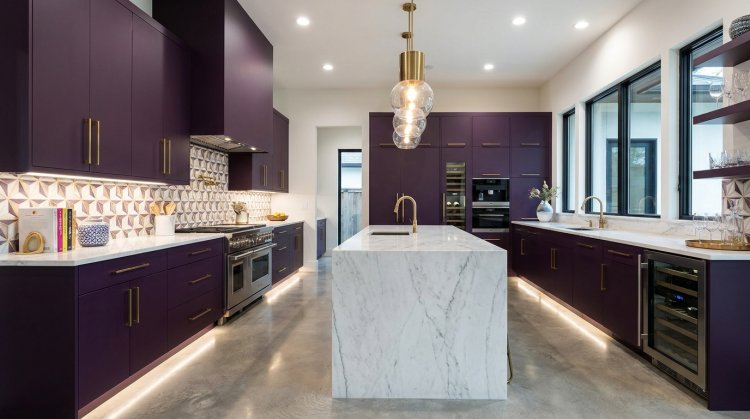
Kitchen renovations often involve replacing cabinets, countertops, or wall finishes to achieve a fresh and modern appearance. However, complete replacement can be expensive, time-consuming, and disruptive. As a result, architects, interior designers, and homeowners increasingly turn to architectural vinyl wraps as a practical alternative.
When people refer to "wrap vinyl" in kitchen architecture, they are usually talking about a specialized decorative film applied to existing surfaces. These films can transform cabinets, islands, countertops, and even appliances without requiring major demolition.
Architectural vinyl wrapping combines design flexibility with affordability, making it one of the fastest-growing trends in residential and commercial interior renovations. Understanding what vinyl wrapping means and how it functions can help homeowners make informed renovation decisions.
What Does Wrap Vinyl Mean in Architecture?
In architecture and interior design, wrap vinyl refers to a self-adhesive decorative film engineered to cover existing surfaces. Unlike traditional paint or laminate replacement, vinyl wrapping creates a new appearance by applying a durable film directly onto cabinets, doors, walls, furniture, or other architectural elements.
Architectural vinyl films are manufactured in a wide variety of finishes, textures, and patterns. Some products realistically mimic natural wood, stone, marble, concrete, leather, or metal surfaces.
The purpose of vinyl wrapping is not only aesthetic. It also helps protect underlying materials from scratches, wear, moisture, and daily use.
Architects frequently specify architectural films in renovation projects where budgets, timelines, or sustainability goals make full replacement impractical.
In modern kitchen design, vinyl wrapping has become a popular solution for updating outdated cabinetry without removing existing structures.
How Vinyl Wrapping Works in Kitchens
Kitchen vinyl wrapping involves carefully applying a specialized film over prepared surfaces.
The process typically begins with cleaning and repairing the existing cabinets or surfaces. Any dirt, grease, or damage must be addressed before installation.
Professional installers then measure and cut the vinyl film to fit each component precisely. Using specialized tools, they apply the material while removing air bubbles and ensuring smooth adhesion.
Heat is often used to help the vinyl conform to edges, corners, and complex shapes.
The final result resembles a newly manufactured cabinet finish rather than a simple surface covering.
Most kitchen vinyl wraps are designed to withstand daily use, including exposure to humidity, cooking activities, and routine cleaning.
Types of Architectural Vinyl Wraps
Wood Grain Vinyl
Wood-effect wraps remain among the most popular options in kitchen renovations.
These films replicate the appearance of:
- Oak
- Walnut
- Maple
- Ash
- Teak
- Cedar
Modern manufacturing technology allows many wood-grain wraps to include realistic textures that closely resemble natural timber.
Matte Finish Vinyl
Matte finishes provide a clean and contemporary appearance.
Many minimalist and Scandinavian-inspired kitchens use matte vinyl wraps because they reduce glare and create a sophisticated aesthetic.
High-Gloss Vinyl
Gloss finishes reflect light and make smaller kitchens feel more spacious.
High-gloss white, gray, and black wraps are common in contemporary urban homes.
Stone and Marble Effect Vinyl
These architectural films imitate expensive natural materials such as marble, granite, and quartz.
Homeowners often use them on cabinet panels, islands, and decorative features to achieve a luxury appearance at a fraction of the cost.
Metallic and Industrial Finishes
Commercial kitchens and modern interiors sometimes incorporate metallic-effect vinyl wraps that resemble stainless steel, brushed aluminum, or industrial surfaces.
These finishes contribute to sleek and professional-looking spaces.
Benefits of Kitchen Vinyl Wrapping
Cost-Effective Renovation
One of the biggest advantages of vinyl wrapping is affordability.
Replacing kitchen cabinets can represent a significant portion of a renovation budget. Wrapping existing cabinets typically costs substantially less while still delivering a dramatic visual transformation.
Faster Installation
Many kitchen wrapping projects can be completed in days rather than weeks.
Because installers work with existing cabinetry, there is less demolition, construction, and disruption.
Design Flexibility
Architectural vinyl films are available in hundreds of colors, textures, and patterns.
Homeowners can choose from:
- Natural wood appearances
- Stone-inspired finishes
- Modern solid colors
- Metallic surfaces
- Textured decorative patterns
This versatility allows designers to achieve virtually any aesthetic vision.
Sustainable Remodeling Option
Vinyl wrapping supports sustainable renovation practices by extending the life of existing cabinetry.
Instead of sending cabinets to landfills, homeowners can refresh current structures and reduce material waste.
Many architects consider surface renewal an environmentally responsible alternative to complete replacement when cabinets remain structurally sound.
Durability
Quality architectural films resist scratches, stains, and daily wear.
Many products also feature moisture-resistant properties, making them suitable for kitchen environments.
Applications in Modern Kitchen Design
Kitchen vinyl wraps can be used throughout the space to create cohesive designs.
Common applications include:
Cabinet Doors and Drawers
Cabinet wrapping remains the most popular use of architectural vinyl.
Outdated wood finishes can be transformed into contemporary matte black, white, gray, or wood-grain appearances.
Kitchen Islands
Designers frequently use contrasting vinyl finishes on islands to create visual interest and establish focal points.
Appliance Integration
Certain appliances can be wrapped to match surrounding cabinetry, creating a seamless and integrated appearance.
Decorative Panels
Accent walls, pantry doors, and decorative architectural features can also benefit from vinyl wrapping.
Commercial kitchens, cafés, restaurants, and hospitality spaces often use architectural films to modernize interiors quickly without extensive remodeling.
Choosing the Right Vinyl Wrap
Selecting the appropriate vinyl wrap depends on several factors.
First, consider the overall design style. Modern kitchens often favor matte finishes and minimalist textures, while traditional interiors may benefit from wood-grain patterns.
Second, evaluate durability requirements. High-traffic kitchens may require premium architectural films designed for enhanced scratch and moisture resistance.
Third, assess lighting conditions. Gloss finishes can brighten darker spaces, while matte surfaces create a softer visual effect.
Working with experienced installers can help ensure proper product selection and long-term performance.
Professional installation often delivers a more seamless appearance than DIY applications, especially on complex cabinet profiles.
Frequently Asked Questions
1. What is wrap vinyl in kitchen architecture?
Wrap vinyl is a decorative architectural film applied to cabinets, countertops, and other surfaces to update their appearance without replacement.
2. Is vinyl wrapping cheaper than replacing kitchen cabinets?
Yes. Vinyl wrapping generally costs significantly less than installing entirely new cabinetry.
3. How long does kitchen vinyl wrap last?
High-quality architectural vinyl wraps can last many years when professionally installed and properly maintained.
4. Can vinyl wrap look like real wood?
Yes. Modern wood-grain architectural films often closely resemble natural timber in both appearance and texture.
5. Is kitchen vinyl wrap waterproof?
Most architectural wraps offer moisture resistance, making them suitable for kitchen environments when properly installed.
6. Can countertops be wrapped with vinyl?
Some countertops can be wrapped using specialized architectural films designed for surface applications.
7. Is vinyl wrapping environmentally friendly?
Vinyl wrapping can support sustainability goals by extending the lifespan of existing cabinets and reducing renovation waste.