What Is Patient Management Software? A Complete Guide
 pamelaburgess
Healthcare organizations manage countless patient interactions every day, from appointment scheduling and registration to treatment records and follow-up care. Handling these tasks manually can be time-consuming, prone to errors, and difficult to manage as patient volumes grow. This is where patient management software becomes an essential part of modern healthcare.
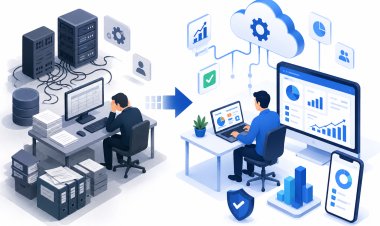
A patient management system helps hospitals, clinics, diagnostic centers, and healthcare professionals organize patient information, improve communication, and streamline daily operations. By replacing paper-based processes with digital workflows, healthcare providers can deliver faster, more accurate, and more efficient care.
In this complete guide, we'll explain what patient management software is, how it works, its key features, benefits, and what to consider when choosing the right solution for your healthcare facility.
What Is Patient Management Software?
Patient management software is a digital solution designed to help healthcare organizations manage patient-related activities from the first appointment to post-treatment follow-up. It centralizes patient information, making it easier for healthcare providers to access medical records, schedule appointments, monitor treatment progress, and coordinate care across departments.
Instead of relying on multiple spreadsheets or paper files, healthcare teams can use a single platform to manage patient data securely and efficiently.
Whether it's a small clinic or a multi-specialty hospital, this software simplifies administrative tasks while improving the overall patient experience.
Why Is Patient Management Software Important?
Healthcare facilities handle a large volume of information every day. Managing this data manually often leads to delays, misplaced records, scheduling conflicts, and communication gaps.
Patient management software addresses these challenges by automating routine tasks and providing quick access to accurate information.
Some of the main reasons healthcare providers adopt these systems include:
- Faster patient registration
- Improved appointment scheduling
- Better record management
- Reduced paperwork
- Improved communication
- Enhanced patient satisfaction
- Greater operational efficiency
Digital management allows healthcare professionals to spend more time focusing on patient care instead of administrative work.
How Does Patient Management Software Work?
The software acts as a centralized database where patient information is stored securely.
When a patient visits a healthcare facility, staff members can:
- Register new patients
- Update personal information
- Schedule appointments
- Record medical history
- Upload diagnostic reports
- Track prescriptions
- Monitor treatment progress
- Generate invoices
Authorized healthcare professionals can instantly access the required information from different departments, improving collaboration and reducing delays.
Key Features of Patient Management Software
Modern patient management solutions include a wide range of features designed to simplify healthcare operations.
Patient Registration
The system stores essential patient information such as:
- Name
- Contact details
- Age
- Medical history
- Insurance information
- Emergency contacts
Digital registration reduces paperwork and minimizes data entry errors.
Appointment Scheduling
Scheduling tools help hospitals and clinics manage appointments efficiently.
Features often include:
- Online booking
- Calendar management
- Appointment reminders
- Rescheduling options
- Doctor availability tracking
This helps reduce missed appointments and waiting times.
Electronic Medical Records
Electronic medical records allow healthcare providers to maintain complete patient histories in one secure location.
These records may include:
- Diagnoses
- Treatment plans
- Laboratory reports
- Imaging results
- Prescriptions
- Progress notes
Quick access to medical information supports faster and better-informed decisions.
Billing and Payment Management
Many systems include integrated billing features that simplify financial operations.
Functions often include:
- Invoice generation
- Payment tracking
- Insurance claim management
- Financial reporting
Automation reduces billing errors and speeds up payment processing.
Prescription Management
Doctors can generate digital prescriptions, reducing handwriting-related mistakes and improving prescription accuracy.
Medication records are also stored for future reference.
Communication Tools
Some patient management systems include communication features such as:
- SMS reminders
- Email notifications
- Follow-up messages
- Appointment confirmations
These tools improve communication between patients and healthcare providers.
Reporting and Analytics
Built-in reporting tools help administrators monitor:
- Patient volume
- Appointment trends
- Revenue
- Staff productivity
- Treatment statistics
These insights support better planning and decision-making.
Benefits of Patient Management Software
Healthcare organizations benefit in many ways after implementing a patient management system.
Improved Patient Experience
Patients appreciate shorter waiting times, faster registration, and better communication.
Digital systems also make appointment scheduling more convenient.
Better Record Accuracy
Electronic records reduce the risk of:
- Lost files
- Duplicate records
- Data entry mistakes
Accurate information improves the quality of care.
Increased Staff Productivity
Automation allows administrative teams to spend less time on repetitive tasks.
This improves workflow efficiency throughout the organization.
Enhanced Coordination
Doctors, nurses, reception staff, and laboratory personnel can access the same patient information, improving communication across departments.
Reduced Administrative Costs
Digital workflows decrease paper usage, storage requirements, and manual processing time.
Over time, this can lower operational expenses.
Improved Compliance
Many healthcare software solutions include security measures that help organizations comply with data privacy regulations and maintain patient confidentiality.
Who Can Benefit from Patient Management Software?
Patient management software is useful for a wide range of healthcare providers, including:
- Multi-specialty hospitals
- Private hospitals
- Medical clinics
- Dental clinics
- Diagnostic centers
- Physiotherapy centers
- Specialty healthcare facilities
- Day-care medical centers
Any organization managing patient records can benefit from digital automation.
How to Choose the Right Patient Management Software
Selecting the right solution requires careful evaluation.
Consider the following factors before making a decision.
Ease of Use
The software should have an intuitive interface that staff can learn quickly.
Complicated systems often reduce productivity instead of improving it.
Scalability
Choose software that can grow with your healthcare organization.
As patient numbers increase, the system should continue performing efficiently.
Data Security
Patient information is highly sensitive.
Look for software that offers:
- Secure data storage
- User access controls
- Data encryption
- Regular backups
Strong security protects patient privacy and organizational data.
Integration Capabilities
A good system should integrate with other healthcare technologies, such as:
- Laboratory systems
- Pharmacy software
- Billing systems
- Electronic health records
- Diagnostic equipment
Integration improves operational efficiency.
Customization
Every healthcare facility has unique workflows.
Software that supports customization allows organizations to adapt the platform to their specific requirements.
Technical Support
Reliable customer support is essential.
Choose a provider that offers:
- Training
- Technical assistance
- Software updates
- Ongoing maintenance
Responsive support minimizes downtime and improves user confidence.
Common Challenges During Implementation
Although patient management software offers many advantages, successful implementation requires planning.
Common challenges include:
- Staff training
- Data migration
- Initial setup time
- Workflow adjustments
- User adoption
Proper planning and employee training help ensure a smooth transition.
Future Trends in Patient Management Software
Healthcare technology continues to evolve rapidly.
Future developments may include:
Artificial Intelligence
AI can help analyze patient data, identify trends, and support clinical decision-making.
Cloud-Based Solutions
Cloud technology provides secure remote access and simplifies software maintenance.
Mobile Accessibility
Healthcare professionals increasingly require access to patient information through smartphones and tablets.
Telemedicine Integration
As virtual healthcare grows, patient management systems continue integrating online consultation features.
Automation
Automation will further reduce administrative tasks while improving efficiency and accuracy.
Why Digital Patient Management Matters
Healthcare is becoming increasingly data-driven.
Digital patient management helps organizations:
- Improve service quality
- Enhance operational efficiency
- Reduce administrative burden
- Support informed clinical decisions
- Deliver better patient experiences
Healthcare providers that embrace digital transformation are often better equipped to meet growing patient expectations.
Many healthcare organizations are adopting Patient Management Software India to modernize their operations, improve patient engagement, and create more efficient clinical workflows while supporting long-term growth.
Conclusion
Patient management software has become an essential tool for modern healthcare organizations. By replacing manual processes with digital workflows, it helps hospitals and clinics manage patient information more efficiently, reduce administrative tasks, and improve the quality of care.
From appointment scheduling and medical record management to billing, communication, and reporting, these systems simplify everyday operations while enhancing the patient experience. Choosing the right software involves evaluating usability, security, scalability, and integration capabilities to ensure it meets the needs of your healthcare facility.
As technology continues to advance, patient management software will play an even greater role in improving healthcare delivery, helping providers deliver faster, smarter, and more patient-centered services.