Vitamin C Serum: Benefits, Uses & Must-Try Product
Skincare trends may change every year, but Vitamin C has remained a dermatologist-favourite for one simple reason—it addresses multiple skin concerns with a single product.
 Puja Rawat
Share this Post to earn Money ( Upto ₹100 per 1000 Views )
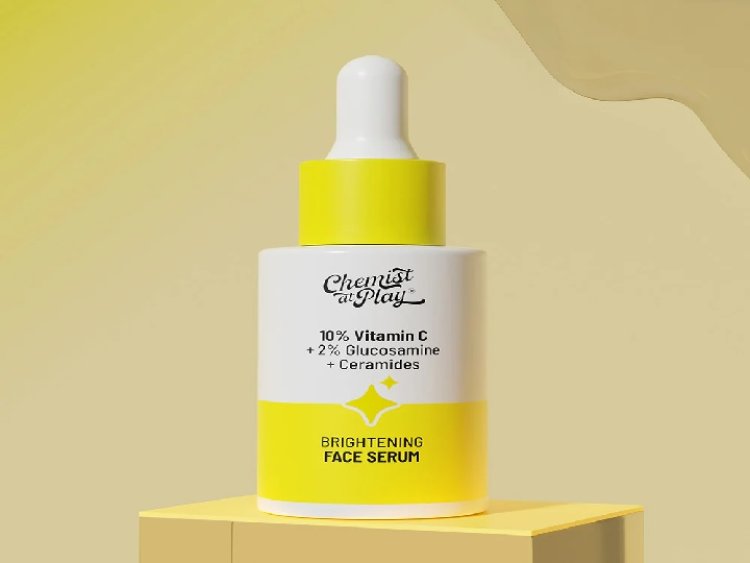
Skincare trends may change every year, but Vitamin C has remained a dermatologist-favourite for one simple reason—it addresses multiple skin concerns with a single product. Vitamin C can help improve your skin’s overall appearance if it looks dull after long workdays, has post-acne marks, or appears uneven due to daily sun exposure. The key is to choose a stable formula and use it correctly. Here's what you need to know before adding it to your skincare routine.
Key Benefits of Using a Vitamin C Serum
One of the major vitamin C serum benefits is that it doesn’t just address one concern. It’s effective on a range of common skin problems and fits easily into even regular skincare routines. Here are the top reasons dermatologists often recommend it:
-
Protects against environmental damage:
Vitamin C is a powerful antioxidant that helps to neutralise free radicals caused by UV exposure and pollution. It does not replace sunscreen, but it works along with SPF to help minimise the visible effects of oxidative stress.
-
Helps brighten uneven skin tone:
Vitamin C inhibits the enzyme called tyrosinase, which produces melanin. Regular use can help in reducing the appearance of post-acne marks, tanning and dark spots.
-
Supports natural collagen production:
Vitamin C plays an important role in collagen formation. This may help support firmer-looking and smoother skin over time.
By improving skin clarity and reducing dullness, vitamin C serums also help your complexion look fresher and more even.
How and When to Use Vitamin C Serum for Best Results
Choosing the right vitamin C serum for your face is as important as using it the right way. For most people, the best time to apply is in the morning because antioxidant protection works hand-in-hand with your sunscreen during the day.
A simple morning routine can be:
-
Cleanse your face.
-
Apply 2-3 drops of Vitamin C serum on dry skin.
-
Follow with a moisturiser.
-
Finish with SPF 30 or higher broad-spectrum sunscreen.
Always do a patch test on a small area of skin for at least 24 hours before using a new active ingredient.
If you’re combining it with other skincare ingredients, keep a few tips in mind:
-
Vitamin C formulations can be used alongside niacinamide.
-
Usually, it’s better to apply retinol at night, while Vitamin C fits nicely into a morning skincare routine. Separating active ingredients can reduce the risk of irritation if you're new to active ingredients.
-
When using strong exfoliating acids like AHAs or BHAs, don’t combine them into the same routine with Vitamin C if you have sensitive skin.
Like most skincare ingredients, consistency matters more than frequency.
What to Look for in a Good Vitamin C Serum
The effectiveness of a formula depends on its stability, supporting ingredients and texture. Here are things to look for:
-
A stable form of Vitamin C: Ethyl ascorbic acid is a stable form of Vitamin C that is more stable than pure L-ascorbic acid, providing the brightening and antioxidant benefits.
-
Hydrating ingredients: Hyaluronic acid maintains the skin's moisture, so the serum is more comfortable on the skin for daily use.
-
Complementary antioxidants: Including ingredients such as Ferulic acid and Acetyl glucosamine may boost antioxidant stability and overall efficacy in some formulations.
-
Lightweight texture: A serum that absorbs quickly under moisturiser and sunscreen.
Choosing a formula with these features means you're investing in ingredients that are more likely to work effectively on the skin.
How Does the Chemist At Play 10% Vitamin C Serum Stand Out?
If you’re looking for a formula that ticks all these boxes, Chemist At Play 10% Vitamin C Serum has complementary ingredients to support antioxidant protection and improve skin radiance.
Why it stands out:
-
Contains 10% Ethyl Ascorbic acid, a stable form of Vitamin C that brightens the skin and provides antioxidant protection.
-
Includes Acetyl Glucosamine that works with Vitamin C to reduce the appearance of pigmentation and uneven tone.
-
Lactic Acid gently exfoliates dead skin cells for smoother, even texture
-
Lightweight fragrance-free formula that layers well under moisturiser and sunscreen.
Together, these features make it a practical everyday serum for anyone looking to simplify their routine without compromising on performance.
Conclusion
A good Vitamin C serum is not about achieving instant results; it’s about giving your skin consistent support every day. This ingredient is effective in a good skincare routine, from protecting from environmental stress to improving the look of pigmentation and dullness. Choose a stable formula, use it consistently and pair it with sunscreen to get the best results. Over time, these consistent steps can help your skin appear brighter, healthier and more refined.