Waste Water Treatment Process in India and Its Challenges
Explore the waste water treatment process in India, its importance in sustainable water management, and key challenges like infrastructure gaps, rising demand, and policy implementation for cleaner, healthier environments.
 vinayak.mehta21
Share this Post to earn Money ( Upto ₹100 per 1000 Views )
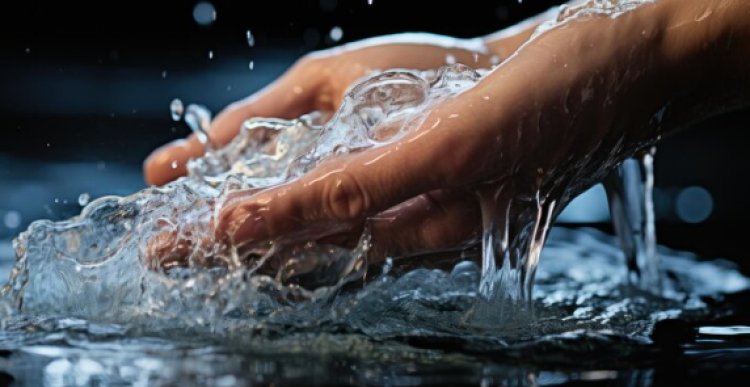
Water is one of the most valuable resources for life, but with rapid urbanization, population growth, and industrial expansion, the problem of wastewater is increasing every day. In India, the challenge of wastewater treatment is immense. While water demand is rising, untreated wastewater continues to contaminate rivers, lakes, and groundwater, creating a serious health and environmental crisis. To overcome this, the country must adopt sustainable solutions and community-driven approaches that make the waste water treatment process more effective and accessible.
What is Wastewater?
Everyday activities like bathing, cooking, washing clothes, cleaning, and using toilets generate wastewater. This used water, mixed with soap, oils, chemicals, or human waste, becomes unsafe if released directly into the environment. Without treatment, wastewater leads to waterborne diseases, pollution of water bodies, and the loss of clean water resources.
However, when properly managed, wastewater is not just waste—it can become a valuable resource for agriculture, groundwater recharge, and even energy production. This is why efficient Wastewater Management is crucial for India’s future water security.
The Waste Water Treatment Process
The waste water treatment process involves several stages to clean and recycle used water before it is released back into the environment or reused. In India, most modern systems follow these steps:
- Preliminary Treatment – Large solids like plastics, cloth, and debris are removed through screening.
- Primary Treatment – Wastewater is allowed to settle in tanks, where heavier solids sink to the bottom as sludge, while lighter substances float on top.
- Secondary Treatment – Microorganisms break down organic matter in the water, reducing harmful bacteria and pollutants.
- Tertiary Treatment – Advanced methods such as filtration, disinfection, or chemical treatments are used to remove any remaining contaminants, making the water safe for reuse.
A sewage treatment plant plays a central role in this process. These plants handle large volumes of wastewater from households, industries, and commercial spaces, ensuring that harmful waste does not enter natural water sources.
Challenges of Wastewater Treatment in India
While the Wastewater Management process sounds simple on paper, India faces several challenges in its implementation:
- Infrastructure Gaps – Many towns and villages lack functional sewage treatment plants, leading to untreated sewage being released into rivers and lakes.
- High Costs – Setting up and maintaining treatment facilities requires huge investments, which many small communities cannot afford.
- Limited Awareness – People often do not understand the importance of treating wastewater, which results in poor sanitation practices.
- Overloaded Systems – In big cities, treatment plants are often overloaded due to increasing population, making them inefficient.
- Maintenance Issues – Even when systems are built, lack of trained staff and proper maintenance leads to frequent breakdowns.
These challenges highlight the need for low-cost, community-driven, and sustainable approaches to wastewater treatment.
Community-Led Wastewater Solutions
A shining example of how these challenges can be overcome comes from the villages of Matwada Modi, Murra, and Dongargaon. Untreated wastewater once caused widespread pollution and health problems in these areas. But with the support of WaterAid India and the determination of local communities, a transformative waste water treatment process was implemented.
The solutions included:
- Retrofitting toilets for safer sanitation practices.
- Creating kitchen gardens that reused treated wastewater.
- Building soak pits and magic pits for household wastewater management.
- Installing decentralized wastewater treatment systems (D-WATS) at household, cluster, and village levels.
These low-cost innovations not only improved sanitation but also recharged groundwater and increased agricultural productivity.
Empowering Communities for Long-Term Change
One of the most important lessons from these villages is that Wastewater Management is not just about technology—it is about people. WaterAid India worked closely with villagers to:
- Assess wastewater generation at different levels.
- Identify technologies suited for the community’s needs.
- Train locals to operate and maintain systems.
- Mobilize resources for long-term sustainability.
This community-first approach ensured that wastewater systems were not just built but also maintained and owned by the people themselves.
Turning Waste water into a Resource
Today, the same villages that once struggled with unsafe water and diseases have turned wastewater into a resource. Treated water is now reused in agriculture, improving crop yields. Clean surroundings have reduced illnesses and boosted school attendance. Most importantly, dignity and resilience have been restored to these communities.
This success story proves that with determination, innovation, and community participation, wastewater can shift from being a burden to becoming an opportunity for healthier, more sustainable living.
The Road Ahead for India
India still treats only a fraction of its wastewater. With rising demand for clean water, this gap must be filled quickly. The government, NGOs, and local communities must come together to:
- Invest in decentralized treatment plants in smaller towns and villages.
- Promote affordable systems like soak pits and magic pits.
- Spread awareness about the health and environmental benefits of proper waste water treatment process.
- Encourage industries to adopt eco-friendly wastewater recycling practices.
By addressing these challenges, India can ensure a future where wastewater no longer pollutes but instead supports clean water access, agriculture, and sustainable growth.
Conclusion
The waste water treatment process is vital for ensuring safe water, better health, and sustainable development. Though challenges like high costs, poor infrastructure, and lack of awareness exist, community-driven solutions are proving to be successful models. With initiatives led by organizations like WaterAid India, wastewater is being transformed into a valuable resource, improving sanitation, agriculture, and livelihoods.
For India, the way forward lies in combining modern technologies with community participation, ensuring that every drop of water is valued, treated, and reused wisely. By strengthening Wastewater treatment and expanding Sewage treatment plants, the country can move closer to a future where clean water and proper sanitation are a reality for all.