
The Role of Hydraulic Cylinder Piston Rod in Heavy Machinery Performance!
Hydraulic Cylinder Piston Rod
 Ms Sun
Share this Post to earn Money ( Upto ₹100 per 1000 Views )

Today’s heavy machinery is the backbone of industries ranging from construction and mining to manufacturing and agriculture. The enormous power, precision, and reliability of this equipment depend on the seamless function of every internal component. Among these, the Hydraulic Cylinder Piston Rod stands out as an unsung hero — enabling the controlled transfer of force that drives, lifts, presses, and maneuvers some of the world’s most demanding industrial operations.
1. Understanding Hydraulic Systems in Heavy Machinery
To truly appreciate the critical role of the Hydraulic Cylinder Piston Rod, it’s important to understand how hydraulic systems work and why they’re foundational in heavy machinery.
What Are Hydraulic Systems?
A hydraulic system transmits force using pressurized liquid (usually oil). Central to this system is the hydraulic cylinder—a mechanical actuator that converts the pressure of that fluid into linear motion and force. From excavators and bulldozers to presses and cranes, hydraulic cylinders provide the muscle behind weighty tasks.

Components of a Hydraulic Cylinder
- Barrel: The main body that holds the hydraulic fluid.
- Piston: Moves back and forth inside the cylinder.
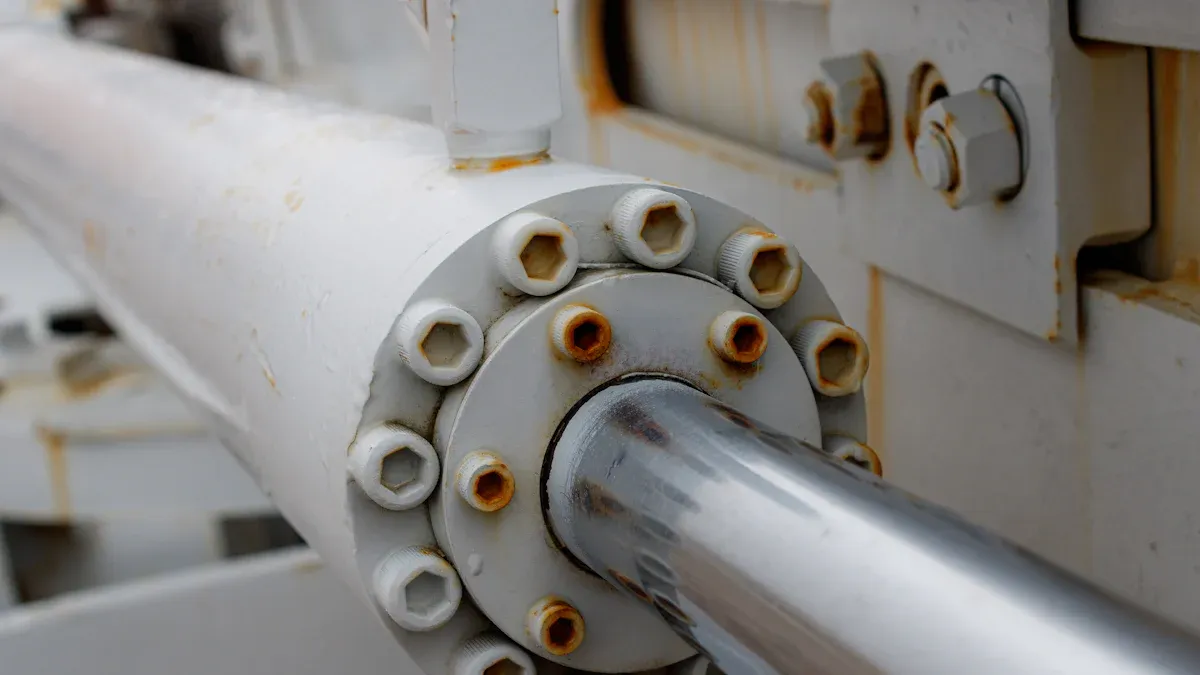
- Hydraulic Cylinder Piston Rod: Connects to the piston and transmits generated force externally.
- End Cap, Head, and Seals: Secure the cylinder and prevent leakage.
The Criticality of the Piston Rod
The Hydraulic Cylinder Piston Rod isn’t just a structural link; it’s the precise element responsible for transmitting force from the hydraulic cylinder’s pressurized chamber to the machinery’s working arm, bucket, blade, or attachment.
2. The Engineering and Design of the Hydraulic Cylinder Piston Rod
The performance and service life of any piece of heavy machinery are directly influenced by the engineering of its Hydraulic Cylinder Piston Rod. This component must be strong, durable, and precisely manufactured.
Key Functions
- Force Transmission: Carries the load from the piston to the moving parts.
- Guidance: Ensures smooth, controlled movement within the cylinder.
- Sealing: Works with seals to contain hydraulic fluid and maintain pressure.
- Fatigue Resistance: Withstands repeated mechanical stresses during operation.
Material Selection
A premium Hydraulic Cylinder Piston Rod is typically made from medium- or high-carbon steel, such as CK45 or 42CrMo4, offering a good balance of strength, ductility, and machinability. To further enhance performance:
- Hard Chrome Plating: Provides a hard, smooth surface that resists wear and corrosion.
- Induction Hardening: Increases surface durability against impact and cyclic loads.
- Precision Grinding and Honing: Ensures diameter accuracy and surface finish, crucial for seal performance.
Customization & Sizing
Hydraulic Cylinder Piston Rods vary widely in length, diameter, and thread specifications depending on the application. Customization is possible to meet unique heavy machinery requirements, something Shandong Baokun Metal Material Co. Ltd excels at.
3. The Impact of Hydraulic Cylinder Piston Rods on Machine Performance
Now, let’s view how the Hydraulic Cylinder Piston Rod impacts the operation, productivity, and reliability of heavy equipment.
a) Machine Strength and Load Capacity
Because the rod is the ultimate transmitter of hydraulic force, its size and quality directly set the safe working load of an actuator. Undersized or inferior rods may bend or break under load, causing costly downtime and safety hazards.
b) Precision and Control
In graders, cranes, and even advanced robotic arms, the finishing tolerances of the Hydraulic Cylinder Piston Rod ensure movement is fluid and precisely controlled. Any surface defects can cause binding, stick-slip motion, or premature wear.
c) Resistance to Harsh Environments
Heavy machinery often operates in harsh conditions—mud, dust, abrasive debris, chemicals, and water. High-quality chrome-plated piston rods resist corrosion and pitting, maintaining integrity in aggressive environments.
d) Longevity and Maintenance
A durable Hydraulic Cylinder Piston Rod resists scratching and denting, which could otherwise damage seals and cause hydraulic leaks. High surface hardness and proper finish extend both seal and cylinder life—reducing total maintenance costs.
e) Safety
In lifting or pressurizing applications, rod failure can result in catastrophic equipment collapse. Ensuring the Hydraulic Cylinder Piston Rod is manufactured to stringent standards protects both operators and assets.
4. Typical Applications for Hydraulic Cylinder Piston Rods in Heavy Machinery
Hydraulic Cylinder Piston Rods are found in a vast array of heavy equipment, including but not limited to:
- Excavators and Backhoes: Arm, boom, and bucket actuation.
- Bulldozers: Blade movement.
- Cranes: Telescopic and lifting cylinders.
- Loaders: Lift and tilt cylinders.
- Mining Equipment: Drilling, shovels, and hoppers.
- Agricultural Machinery: Plows, harvesters, and seeders.
- Industrial Presses: Pressing and stamping actions.
- Waste Handling Equipment: Compactors and balers.
Each application imposes unique demands on the Hydraulic Cylinder Piston Rod, from high-frequency cycles to extreme bending moments.
5. Common Problems Linked to Piston Rod Quality — and How to Avoid Them
Choosing the correct Hydraulic Cylinder Piston Rod is not just about material grade, but quality of manufacturing and proper specification.
Frequent Issues
- Bending: Using rods too slender for the applied load.
- Surface Pitting and Corrosion: Inadequate chrome thickness or poor plating process.
- Scoring and Scratching: Caused by contaminants or poor material hardness.
- Peeling or Flaking Chrome: Due to low-quality plating and materials.
- Seal Damage and Hydraulic Leaks: Resulting from imperfect surface finish or dimensional errors.
Solutions
- Select reputable suppliers like Shandong Baokun Metal Material Co. Ltd, with proven experience in producing high-performance -Hydraulic Cylinder Piston Rods.
- Request precision grinding and proper surface finish (Ra < 0.2–0.4 µm).
- Engage in regular inspection and preventive maintenance programs.
6. Latest Innovations and Trends in Hydraulic Cylinder Piston Rod Technology
a) Advanced Surface Coatings
In response to increasingly harsh working conditions, new coatings have been developed:
- Ceramic coatings: Offer even higher wear and corrosion resistance than chrome.
- Nickel-chrome duplex plating: Combines two metals for boosted durability.
b) Improved Manufacturing Automation
Precision manufacturing with robotic grinding and advanced quality checks ensures every Hydraulic Cylinder Piston Rod meets strict international standards.
c) Customization for Specialized Equipment
From telescopic rods with complex shapes to ultra-long rods for mining shovels, custom solutions enable higher machine productivity and specialization.
d) Eco-Friendly Manufacturing
Stricter environmental controls have driven the transition to safer plating practices, such as trivalent chrome and closed-loop wastewater systems.
7. Maintaining and Extending the Life of Your Hydraulic Cylinder Piston Rod
A well-maintained Hydraulic Cylinder Piston Rod is essential for maximizing the reliability and lifespan of your heavy machinery.

Maintenance Best Practices
- Keep rods clean: Dirt and grit abrade the surface and seals.
- Inspect chrome condition regularly: Spot scratches or corrosion early.
- Lubricate seals and guide bushings: Reduces friction and wear.
- Replace damaged seals immediately: Prevents contaminant ingression and hydraulic leaks.
- Store spare rods properly: Avoid stacking and ensure a dry, clean environment.
When to Replace a Hydraulic Cylinder Piston Rod
- Visible scoring, rust, or pitting
- Bent or deformed rod
- Worn, chipped, or peeling chrome plating
- Reduced machine performance or frequent seal failures
8. Why Work with Shandong Baokun Metal Material Co. Ltd for Hydraulic Cylinder Piston Rods?
a) Advanced Manufacturing Facilities
At Shandong Baokun, we use cutting-edge equipment for chrome plating, CNC turning, grinding, and hardening, ensuring superior surface finish and dimensional control.
b) Stringent Quality Control
Every Hydraulic Cylinder Piston Rod is inspected for straightness, diameter, roundness, chrome thickness, adhesion, and hardness—backed by material certificates and test reports.
c) Flexible Customization
No matter the diameter, length, or thread specification, our team will engineer rods to your drawings — even for the most demanding applications.
d) Fast Delivery and Technical Support
With ample inventory and a responsive technical team, you’ll receive both timely deliveries and expert after-sales guidance.
The Power of Precision in Heavy Machinery
The Hydraulic Cylinder Piston Rod is more than just an internal part: it is the linchpin of performance for the world’s most powerful machines. Its design, quality, and condition directly influence productivity, reliability, and safety on every job site.
Frequently Asked Questions (FAQ):
Q1. Why is chrome plating important for a Hydraulic Cylinder Piston Rod?
A: Chrome plating creates a hard, lubricious, and corrosion-resistant surface. It significantly prolongs rod and seal life by reducing friction and wear, ensuring smooth actuator operation even in aggressive or dirty environments.
Q2. What happens if my hydraulic cylinder piston rod is slightly bent?
A: Even small bends can cause uneven wear on seals, rapid leakage, binding, and premature cylinder failure. Bent rods should be replaced immediately.
Q3. How often should I inspect Hydraulic Cylinder Piston Rods?
A: For heavy machinery, a visual rod and seal inspection should be performed at least monthly, or after any major shock event. Clean and lubricate rods as part of regular service intervals.
Q4. Can I repair a scored or damaged Hydraulic Cylinder Piston Rod?
A: Some minor damages can be re-chromed and ground back to spec by a specialist, but serious bends or deep gouges usually require complete replacement.
Q5. What materials are best for high-pressure applications?
A: 42CrMo4 and other high-strength alloy steels, with induction hardened and thick chromed surfaces, ensure rod integrity under extreme loads.
Q6. How do I ensure compatibility with my hydraulic seals?
A: Always specify required rod diameter and surface roughness (typically Ra ≤ 0.2–0.4 µm). An improper finish can quickly destroy seals and cause leaks.
Q7. How long does a Hydraulic Cylinder Piston Rod typically last?
A: With the right material, quality manufacturing, and regular maintenance, piston rods can last thousands of operational hours, often exceeding a decade in moderate applications.
Q8. What is the environmental impact of chrome plating?
A: Modern plating facilities like Shandong Baokun employ strict environmental controls, recycling water and using advanced waste treatment to minimize ecological footprint.
Q9. Can you customize Hydraulic Cylinder Piston Rods for unique applications?
A: Absolutely. We manufacture to your required dimensions, shapes, and special finishes—ensuring perfect fit and function for your unique machinery.
Q10. Why trust Shandong Baokun Metal Material Co. Ltd?
A: With industry-leading technology, proven expertise, and a commitment to customer satisfaction, we deliver Hydraulic Cylinder Piston Rods that excel in quality, precision, and lasting performance.
















