
Understanding the Tracheal Retractor: A Crucial Surgical Instrument
 GreyMed
Share this Post to earn Money ( Upto ₹100 per 1000 Views )
The field of surgical instrumentation is vast, each tool designed to meet specific needs and contribute to the precision and success of medical procedures. Among these vital tools, the tracheal retractor holds significant importance. Built to manipulate and provide access to the tracheal retractor during surgeries, this specialised instrument has revolutionised respiratory and airway management.
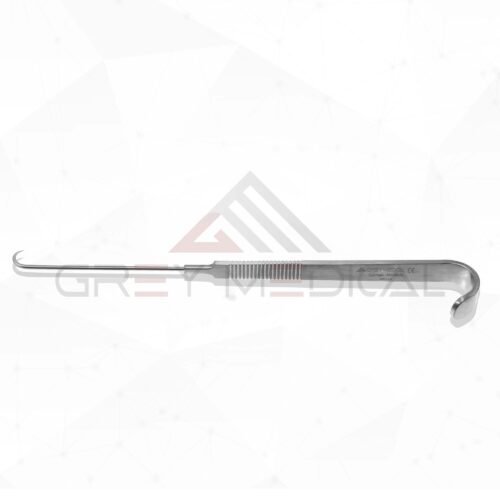
What Is a Tracheal Retractor?
A tracheal retractor is a surgical instrument specifically crafted for use during procedures involving the trachea, commonly known as the windpipe. Predominantly used in otolaryngology (ENT surgeries) and thoracic procedures, this tool aids in retracting the surrounding tissues of the trachea to provide the surgeon with clear access to the operative site.
Surgeons depend on the tracheal retractor to maintain a stable and unobstructed view of the air passage while performing intricate tasks such as tracheostomy or managing airway obstructions. Its role is indispensable when precision and visibility are required to reduce complications and optimise success.
Importance in Surgical Procedures
The trachea, being a critical component of the respiratory system, is a delicate structure. Any surgical intervention in this region demands extreme care. Here is where the tracheal retractor becomes invaluable. By retracting adjacent soft tissues, it mitigates the risk of accidental injury, allowing surgeons to perform intricate procedures safely.
Whether it is opening the trachea during a life-saving tracheostomy or clearing airway blockages, the retractor is a stabilising force. It reduces the strain on the operative area, helping physicians ensure patient safety and improving surgical efficiency.
Design and Functionality
A hallmark of the tracheal retractor is its thoughtful design, tailored to meet the demands of precision surgery. Typically made from high-quality stainless steel, this instrument is crafted for durability and ease of sterilisation. Its design varies slightly depending on specific surgical requirements, but most tracheal retractors feature slender, rounded blades that are non-damaging to tissues.
The ergonomic handle offers comprehensive control, enabling surgeons to manipulate the instrument with unparalleled accuracy. Retractors are often adjusted to maintain stable retraction without requiring constant manual support, which contributes to reducing strain during longer surgeries. Some models come equipped with locking mechanisms, providing hands-free functionality and allowing the team to concentrate on the intricate operation at hand.
Role in Improving Patient Outcomes
The impact of the tracheal retractor on patient outcomes cannot be overstated. By enhancing surgical visibility and precision, this instrument minimises the risks associated with airway surgeries, such as accidental tears or post-operative complications. This improved functionality translates directly into shorter procedure times, quicker recoveries, and better overall outcomes for patients.
Furthermore, the stability and control it offers the operating team reduce intraoperative stress, enabling them to focus on delivering the highest standard of care. The instrument is also essential in emergency scenarios where seconds can mean the difference between life and death, making it a trusted ally in critical care environments.
A Cornerstone of Modern Medicine
The tracheal retractor embodies the intersection of intelligent design and medical necessity, underscoring its role in advancing surgical practice. Its contribution goes beyond providing access to the trachea; it ensures the safety, efficiency, and precision upon which modern medical outcomes are built.
By reducing surgical risks and enabling critical procedures to be performed with confidence, this instrument plays a vital part in saving and improving countless lives. Its utility in airway surgeries, both elective and emergency, makes it indispensable in the operating theatre.
The widespread use of tracheal retractors reflects our commitment to continually improving medical technology for better patient care. This seemingly simple tool is, without doubt, a linchpin in the complex field of respiratory surgery.














