
Hair Transplant Before and After Photos: 7 Signs of a Truly Successful Procedure
Learn 7 expert signs of successful Hair Transplant Before and After results, from natural hairlines and density to donor preservation.
 Fueindia
Share this Post to earn Money ( Upto ₹100 per 1000 Views )
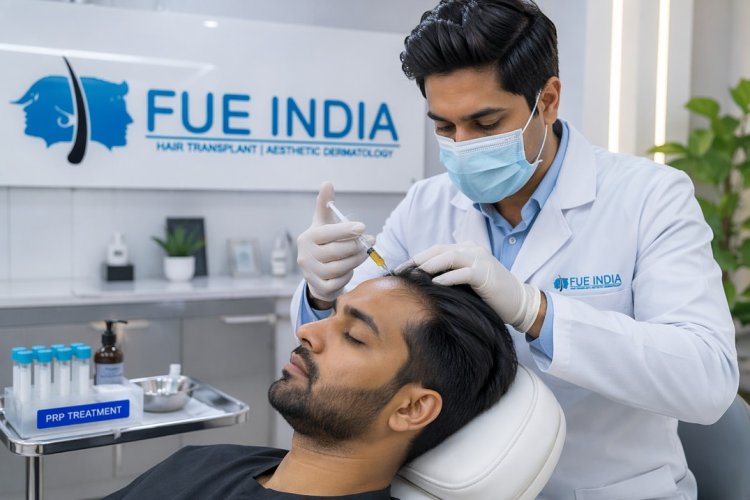
When researching hair restoration, most people spend hours browsing Hair Transplant Before and After photos online. These images can be inspiring, but they don't always tell the full story. A successful hair transplant is about much more than simply adding hair to a bald area. The best results combine science, artistry, and long-term planning to create a natural appearance that ages well over time.
Unfortunately, many patients focus only on immediate visual improvements and overlook important details that separate average results from exceptional ones. Understanding how to evaluate Hair Transplant Before and After photos like a professional can help you choose the right clinic and set realistic expectations.
Here are seven key signs that indicate a truly successful hair transplant procedure.
1. A Natural-Looking Hairline
The hairline is often the first thing people notice in Hair Transplant Before and After photos.
A successful hairline should:
- Match the patient's age
- Complement facial features
- Have slight irregularities
- Avoid appearing perfectly straight
Natural hairlines are never completely symmetrical. Skilled surgeons create subtle variations that mimic natural hair growth patterns.
One of the biggest mistakes seen in poor transplant outcomes is an unnaturally low or overly straight hairline. While it may appear attractive immediately after surgery, it often looks artificial as the patient ages.
When evaluating results, ask yourself whether the hairline appears naturally grown or obviously transplanted.
2. Consistent Density Across the Transplanted Area
Density plays a major role in successful Hair Transplant Before and After transformations.
High-quality results typically show:
- Even distribution of grafts
- Smooth transitions between transplanted and native hair
- No patchy areas
- Balanced coverage throughout the scalp
It's important to understand that a transplant does not always recreate the density of youthful hair. Instead, the goal is to create the appearance of fullness while maintaining a natural look.
Professional clinics strategically place grafts to maximize visual density without overharvesting the donor area.
3. Natural Hair Growth Direction and Angles
One of the most overlooked indicators of a successful procedure is hair direction.
Natural hair grows at specific angles depending on its location on the scalp.
For example:
- Frontal hair grows forward
- Temple hair grows diagonally
- Crown hair follows a spiral pattern
Experienced surgeons carefully replicate these growth patterns during implantation.
When examining Hair Transplant Before and After photos, pay attention to whether the transplanted hair blends naturally with surrounding hair. Incorrect angles can create an unnatural appearance regardless of graft count.
The best results are often those where observers cannot tell a transplant was performed.
4. Excellent Donor Area Preservation
Most patients focus entirely on the recipient area while ignoring the donor zone.
However, donor area preservation is one of the strongest signs of surgical expertise.
A successful procedure leaves the donor area looking:
- Uniform
- Healthy
- Free from visible thinning
- Free from excessive scarring
In modern FUE procedures, follicles are extracted individually. Poor extraction techniques can leave patchy donor areas that become noticeable when hair is cut short.
When reviewing Hair Transplant Before and After photos, always ask to see images of the donor region. A clinic that showcases both areas typically demonstrates greater transparency and confidence in its work.
5. Results That Look Natural in Different Lighting
Lighting can dramatically affect the appearance of hair density.
Some clinics use:
- Strategic lighting
- Hair fibers
- Styling products
- Specific camera angles
to enhance results in photographs.
A truly successful Hair Transplant Before and After transformation should look natural under various lighting conditions.
Reliable indicators include:
- Consistent density in indoor and outdoor photos
- Clear visibility from multiple angles
- No obvious gaps under bright lighting
Patients should be cautious when clinics display only highly edited or professionally staged images.
Authentic results withstand close inspection regardless of lighting conditions.
6. A Balanced Approach to Coverage
Many people assume that the highest graft count automatically produces the best outcome. However, experienced surgeons understand that balance is more important than maximum density.
Successful Hair Transplant Before and After results prioritize:
- Facial harmony
- Future hair loss planning
- Donor area conservation
- Long-term appearance
Overpacking the hairline can create density initially but may limit options for future procedures if hair loss progresses.
The best surgeons develop a strategy that provides immediate improvement while preserving donor resources for potential future needs.
This long-term approach often leads to more sustainable and natural-looking results.
7. Strong Results After 12 Months or More
Timing is critical when evaluating Hair Transplant Before and After photos.
Many clinics showcase results at:
- 4 months
- 6 months
- 8 months
However, hair transplants continue developing for up to 12–18 months.
The most valuable photos are those taken at least one year after surgery because they reveal:
- Final density
- Hair maturation
- Texture improvement
- Long-term natural appearance
Results that continue looking dense and natural after a year are often a sign of excellent graft survival and proper surgical technique.
Always ask how long after the procedure the photographs were taken before drawing conclusions.
Common Red Flags in Before and After Photos
While reviewing transplant results, watch for these warning signs:
- Hairlines that appear too straight
- Uneven density
- Visible scarring
- Limited photo angles
- Excessive image editing
- Missing donor area photographs
- Results shown too early in recovery
Recognizing these red flags can help you avoid unrealistic marketing claims.
Why Surgeon Expertise Matters Most
Although factors such as hair thickness, donor quality, and genetics influence outcomes, surgeon expertise remains one of the most important predictors of success.
An experienced surgeon understands:
- Hairline design
- Graft handling
- Density planning
- Natural growth patterns
- Long-term hair loss management
The most impressive Hair Transplant Before and After transformations are typically the result of meticulous planning combined with advanced surgical skills.
Choosing a qualified specialist often makes the difference between a result that merely improves appearance and one that looks completely natural.
Conclusion
Not all Hair Transplant Before and After photos should be judged by density alone. Truly successful results combine a natural hairline, proper growth direction, balanced density, donor area preservation, and long-term sustainability.
By learning to evaluate transplant photos professionally, patients can look beyond marketing images and focus on the factors that genuinely determine success. Whether you're considering your first procedure or comparing clinics, understanding these seven signs can help you identify high-quality results and make a more informed decision about your hair restoration journey.









![Marina "cALL-"gIRLS'}{:" [[O'5'8'9'8'5'9'1'0'0]] (W) "cALL-"gIRLS' in Dubai Marina :”Al lisaili” {E66} Al Ittihad Park #% Vvip](https://blog.rackons.in/uploads/images/202409/image_380x226_66eef855065ba.jpg)








