
Understanding Cushing Tissue Forceps in Surgical Practices
 GreyMed
Share this Post to earn Money ( Upto ₹100 per 1000 Views )
Surgical instruments form the backbone of medical procedures, enabling surgeons to perform with precision and efficiency. Among these specialised tools, the Cushing tissue forceps hold a significant place. Designed with a focus on precise handling of delicate tissues, Cushing tissue forceps has become indispensable in various surgical practices. Whether in neurosurgery, plastic surgery, or general procedures, its significance cannot be overstated.
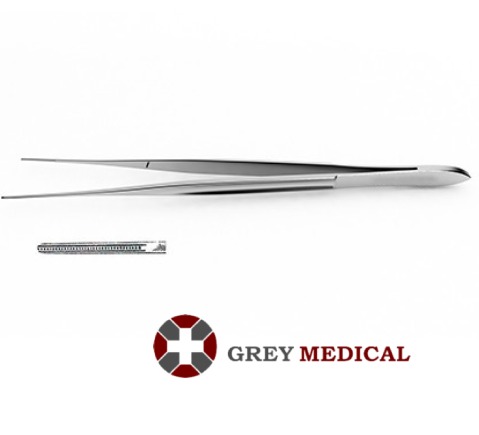
What Are Cushing Tissue Forceps?
Cushing tissue forceps are a specialised type of surgical instrument primarily used for holding and manipulating delicate tissues during surgery. Named after the renowned American neurosurgeon Dr Harvey Cushing, this tool reflects his pioneering contributions to modern surgical practice. Its design allows surgeons to perform intricate tasks with minimised risk of tissue damage, making it an essential element in precision-driven procedures.
Typically, these bishop forceps are crafted from high-grade stainless steel, ensuring durability, resistance to corrosion, and compatibility with repeated sterilisation. The instrument features narrow, elongated tips with fine serrations, providing a non-slip grip on tissues. It comes in both straight and curved variants, enabling surgeons to choose the ideal shape for the specific needs of the procedure.
Key Features That Set Cushing Forceps Apart
The defining characteristics of Cushing tissue forceps are integral to their functionality. A standout feature is the fine-toothed design along the gripping edges. These delicate serrations offer a firm yet controlled hold, ensuring minimal trauma to soft tissues. The lightweight construction of the forceps enhances manoeuvrability, allowing for precise handling in confined spaces such as cranial or facial surgeries.
Additionally, their ergonomic design reduces fatigue during prolonged procedures. Surgeons performing repetitive or lengthy tasks benefit from the instrument's balance and comfort, ensuring steady hands and better outcomes.
Another critical advantage lies in the availability of various sizes, catering to diverse surgical needs. Whether it’s managing smaller, intricate tissues during microsurgery or assisting in broader applications, there is a Cushing forceps model designed for the job.
Applications in Various Surgical Specialties
Cushing tissue forceps are widely applicable across different fields of surgery. Their most prominent use is observed in neurosurgery, where delicate handling of brain and spinal tissues is vital. The narrow, precise tips enable surgeons to access and manage areas within tight anatomical spaces without compromising safety.
Plastic and reconstructive surgeries are another area where this tool stands out. During procedures involving facial or soft tissue reconstruction, the forceps provide the necessary precision to handle tissues with care, aiding in cosmetically optimal outcomes.
General surgical applications also see frequent use of Cushing forceps. From biopsies to suturing, this instrument is versatile enough to assist in diverse situations. Its ability to securely hold sutures or manipulate tissues with reduced trauma makes it a valuable companion in almost any operating theatre.
Why Precision Matters in Surgery
The role of precision in surgery transcends beyond technical success; it impacts patient recovery and long-term outcomes. Instruments like Cushing tissue forceps underline this principle, offering control that minimises intraoperative risks. By ensuring tissues are managed delicately, surgical trauma is significantly reduced. This not only speeds up the healing process but also decreases the likelihood of complications such as infections or scarring.
Precision-focused instruments also contribute to enhancing the surgeon’s confidence. Tools designed for accuracy allow medical professionals to focus on the intricacies of the procedure without worrying about uncontrollable variables. This is particularly crucial in high-stakes fields like neurosurgery, where even minor errors can lead to significant consequences.
Maintaining and Sterilising Cushing Forceps
The effectiveness of any surgical instrument depends not only on its design but also on proper maintenance. Cushing tissue forceps must undergo rigorous cleaning and sterilisation processes to ensure patient safety. Any residue of biological material or contaminants can increase the risk of post-surgical infections. Given its intricate design with fine serrations, thorough cleaning is essential to remove debris from these grooves.
Sterilisation typically involves methods such as autoclaving, which combines high pressure and temperature to eliminate pathogens effectively. Additionally, routine inspections for wear and tear should be conducted to maintain the forceps' structural integrity. Regular upkeep ensures the instrument remains reliable and functional through multiple applications.
The Irreplaceable Role of Cushing Tissue Forceps
Cushing tissue forceps exemplify how innovation and medical expertise come together to enhance surgical practices. Their unique design and versatility have set an industry standard for precision and care. Whether in aiding neurosurgical procedures or contributing to successful plastic surgeries, this tool continues to play a crucial role in the healthcare field.
For medical professionals, understanding the applications and proper handling of such instruments is essential. It ensures the delivery of safe, effective care and highlights the profound impact that precision tools have on improving patient outcomes. The Cushing tissue forceps remain an enduring testament to the importance of well-designed surgical instruments in modern medicine. From reducing tissue trauma to enabling complex procedures, their contribution underscores the value of precision in every aspect of surgery.














