2026 Waterfront Property Trends: Why a Seawall Inspection Is Critical for Coastal Home Protection
Learn why seawall inspection is essential in 2026. Identify hidden structural issues early and protect your shoreline from costly erosion damage.
 fullcircleinspections
 Share this Post to earn Money ( Upto ₹100 per 1000 Views )
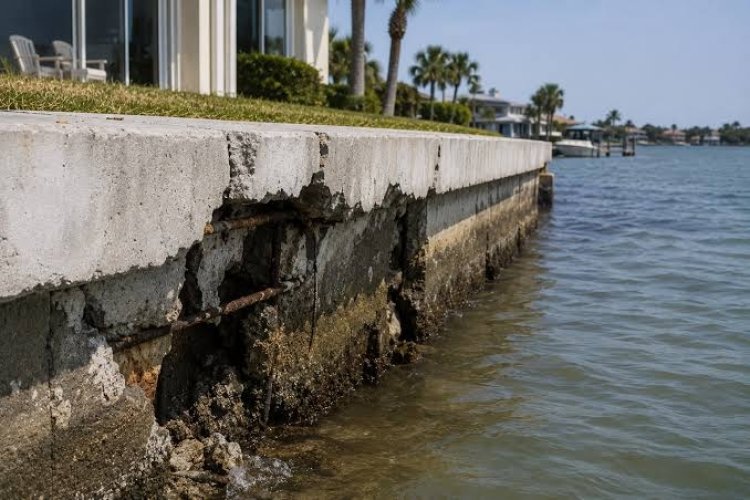
Owning waterfront property is a dream for many homeowners, offering stunning views, direct water access, and strong long-term real estate value. However, coastal living also comes with unique structural challenges that inland homes do not face. One of the most important protective structures for waterfront properties is the seawall, which acts as a barrier against erosion, tidal movement, and storm surge.
In 2026, with rising concerns about coastal weather patterns and long-term shoreline stability, more property owners are prioritizing routine seawall inspection services to ensure their waterfront investments remain secure. Ignoring early signs of deterioration can lead to expensive structural failures and even loss of usable land.
A seawall is not just a concrete barrier—it is a critical defense system for your entire property.
Why Seawalls Are Under Increasing Stress in 2026
Coastal environments are constantly changing due to natural and environmental factors. Over time, seawalls are exposed to:
-
Constant wave impact
-
Saltwater corrosion
-
Soil erosion behind the wall
-
Rising water levels
-
Storm surges and hurricanes
-
Hydrostatic pressure buildup
These forces gradually weaken structural integrity, often in ways that are not visible from the surface. Even small cracks or drainage issues can quickly escalate into major failures if left unaddressed.
This is why regular seawall inspection has become a standard part of responsible waterfront property maintenance in 2026.
Hidden Warning Signs Homeowners Often Miss
Seawall damage does not always appear obvious at first. Many homeowners only notice a problem once the shoreline begins shifting or soil starts collapsing behind the wall.
Common early warning signs include:
-
Cracks in concrete panels or cap blocks
-
Sinkholes or depressions near the seawall
-
Soil loss behind the structure
-
Rust stains or exposed reinforcement bars
-
Leaning or bulging wall sections
-
Water pooling in unusual areas after tides
These symptoms often indicate internal weakening that requires immediate attention to prevent further deterioration.
What a Professional Seawall Inspection Includes
A professional inspection evaluates both visible and hidden conditions affecting the seawall’s performance and stability.
A standard evaluation typically includes:
-
Structural condition assessment
-
Crack and joint analysis
-
Soil stability inspection behind the wall
-
Drainage system evaluation
-
Tidal impact review
-
Material deterioration checks
-
Anchor and tie-back system assessment (if present)
-
Erosion monitoring along shoreline edges
Inspectors also assess surrounding environmental conditions that may be contributing to long-term damage, such as water flow patterns or vegetation growth.
A detailed seawall inspection report helps homeowners understand current risks and prioritize necessary repairs before major structural failure occurs.
Why Early Detection Saves Thousands of Dollars
Seawall repairs can become extremely expensive if damage is left unchecked. In severe cases, complete replacement may be required, along with restoration of lost land and landscaping.
Early detection allows homeowners to address minor issues such as:
-
Small cracks before expansion
-
Drainage blockages before soil loss
-
Joint failures before wall shifting
-
Surface erosion before structural exposure
Preventive maintenance is significantly more cost-effective than emergency reconstruction, especially in coastal regions where labor and materials are costly.
Technology Is Improving Coastal Structural Inspections
Modern inspection methods have greatly improved the accuracy of seawall evaluations. Instead of relying only on visual checks, inspectors now use advanced tools to detect hidden structural weaknesses.
Common technologies include:
-
Ground-penetrating radar (GPR)
-
Hydrostatic pressure testing tools
-
High-resolution imaging systems
-
Moisture detection equipment
-
Digital elevation mapping
These tools help identify subsurface erosion, voids, and structural instability that may not be visible from the surface.
As technology continues advancing in 2026, homeowners benefit from more precise and reliable inspection results.
Environmental Changes Are Increasing Risk
Coastal environments are becoming more unpredictable due to climate-related changes. Increased rainfall intensity, stronger storm systems, and fluctuating water levels are placing additional stress on seawall structures.
Because of these evolving conditions, scheduling a regular seawall inspection is no longer optional for many waterfront property owners it has become essential for long-term property protection.
Benefits of Routine Seawall Maintenance
Consistent maintenance and inspection provide several long-term advantages:
-
Protects shoreline stability
-
Prevents property loss due to erosion
-
Extends seawall lifespan
-
Reduces emergency repair costs
-
Maintains property value
-
Ensures safety of surrounding structures
Homeowners who invest in routine care are more likely to avoid sudden structural failures and costly restoration projects.
Why Buyers and Investors Care About Seawall Condition
For waterfront real estate, seawall condition plays a major role in property value and buyer confidence. A damaged or aging seawall can significantly reduce a property's market appeal.
Buyers increasingly request inspection reports before purchasing coastal homes to ensure they are not inheriting hidden structural risks.
A recent seawall inspection report provides transparency and reassurance during real estate transactions, helping both buyers and sellers move forward with confidence.
Simple Ways Homeowners Can Protect Their Seawall
In addition to professional inspections, homeowners can take basic steps to reduce long-term damage:
-
Keep drainage paths clear
-
Avoid planting large trees near the seawall
-
Monitor shoreline changes after storms
-
Repair surface cracks early
-
Prevent heavy equipment from stressing the edge
These simple actions help reduce pressure on the structure and extend its lifespan.
Conclusion
A seawall is one of the most important protective structures for any waterfront property. While it may appear strong on the surface, hidden damage can develop over time due to constant environmental stress.
Regular inspections, timely repairs, and preventive maintenance are essential for preserving shoreline stability and protecting long-term property value.
In 2026, smart waterfront ownership means staying ahead of coastal risks—and a professional seawall inspection remains one of the most effective ways to safeguard your investment.