Temporary Flood Barrier Solutions: Protect Your Home in Minutes!
Temporary flood barrier solutions provide fast, reliable protection against rising water, helping homeowners safeguard their property before flooding occurs.
 floodpreventionproducts
 Share this Post to earn Money ( Upto ₹100 per 1000 Views )
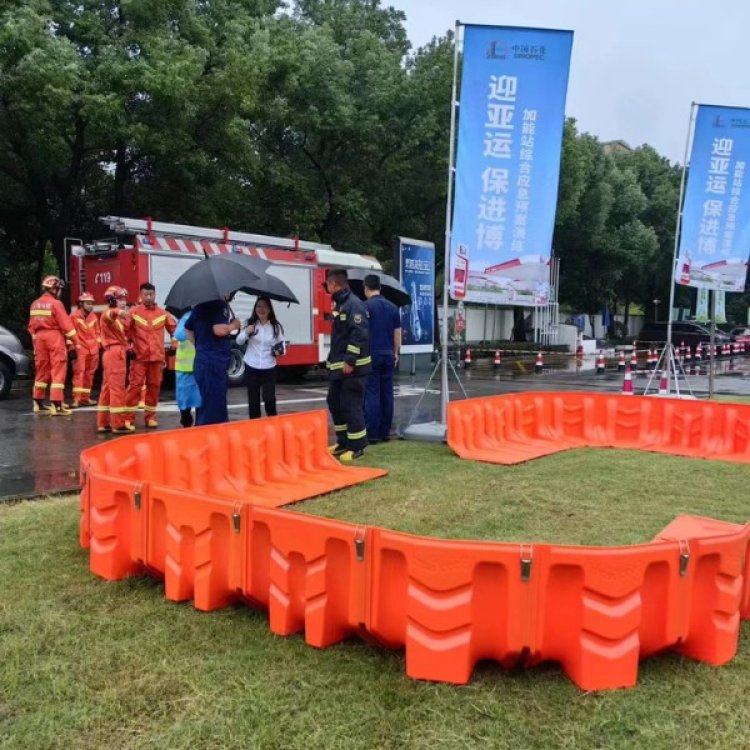
Flooding can occur suddenly and cause devastating damage to both homes and businesses. Few property owners have the time or resources to quickly build permanent flood defense infrastructure, even though weather forecasts can predict rising rivers and heavy rainfall. As climate change leads to more frequent and unpredictable storms, it has become clear that quick, effective, and user-friendly solutions are essential for today’s homeowners.
This growing need has led to the rise of the Temporary Flood Barrier: a game-changing innovation that empowers anyone to protect their property within minutes, not hours or days. These barriers offer unparalleled flexibility, allowing rapid deployment wherever and whenever they’re needed most—whether a flash flood warning is issued or torrential rain suddenly turns streets into streams.

1. What is a Temporary Flood Barrier?
Definition and Key Features
A Temporary Flood Barrier is a portable, reusable system designed to block or divert floodwater away from buildings and vulnerable areas in minutes. Unlike permanent installations, temporary solutions can be set up quickly and easily, usually with minimal tools or technical knowledge. They’re perfect both for homeowners who face occasional flood risk and for properties where permanent installations are impractical.
Evolution of Temporary Flood Protection
Historically, flood response was reactive and labor-intensive—think of the painstaking process of filling and stacking hundreds of sandbags, only to see them fail against rising water. Innovative solutions started emerging in the last decade, using modern materials and clever design to create barriers that are not only effective but also easy to store, transport, and deploy.
Permanent vs. Temporary Barriers
Permanent flood defenses like concrete walls, levees, and fixed flood gates are ideal for locations that experience frequent and severe flooding—but they can be expensive, visually obtrusive, and unsuitable for all properties (especially homes with seasonal or unpredictable risk). In contrast, a Temporary Flood Barrier can be set up only when needed, removed when not in use, and stored compactly until the next threat arises.
2. Why Choose a Temporary Flood Barrier?
Speed and Ease of Deployment
The chief advantage of a Temporary Flood Barrier is its speed. Most systems are engineered for solo deployment—often in under 10 minutes per doorway, window, or perimeter section—using no more than simple household tools or none at all. This means even if a flood warning is issued at short notice, you can move from unprepared to fully protected within minutes.
Flexibility in Application
Temporary barriers can be tailored to any property: whether you’re defending a single entryway, an entire ground floor, or a crucial outdoor area. Many systems can be connected or extended, adapting to whatever length or height you require. You can even remove them quickly if access is needed—ideal for homes and businesses that can't afford disruption.
Reusability and Storage
Unlike sandbags, which become waterlogged and contaminated after each use, a modern Temporary Flood Barrier can be rinsed off, checked for damage, and packed away for next time. Their compact and robust design means they can be stored in a closet, garage, or basement without taking up precious space.
Cost-Effectiveness
The initial investment in a Temporary Flood Barrier pays for itself after just one avoided flood. Modern barriers are designed for years of repeated use, so you’ll save on replacement costs and reduce labor compared to sandbags or ad hoc solutions. You might also benefit from reduced home insurance premiums by demonstrating a proactive approach to flood risk.
3. Types of Temporary Flood Barrier Solutions
Every property and flood scenario is different—so today’s market offers a spectrum of Temporary Flood Barrier types to suit various needs.
Self-Inflating Barriers
These innovative barriers are stored flat and lightweight. When exposed to water, a polymer core absorbs and expands, causing the barrier to rise and form a solid wall. They require virtually no setup and can be deployed in front of doors, garage entrances, or in a line across a property boundary.
Pros:
- Zero maintenance
- Extremely rapid deployment
- Lightweight and easy to adjust
Cons:
- Single-use for some models
- Best for low-to-moderate water depths
- Modular Panel Barriers
Using high-strength aluminum or composite plastics, these barriers consist of interlocking panels that fit into brackets or runners on either side of the opening. They form a robust, watertight shield—even able to withstand significant water pressure.
Pros:
- Extremely durable
- Reusable for years
- Can be custom-fitted to specific entrances
Cons:
- Slightly longer installation time
- May require initial setup for brackets
- Water-Filled Tube Barriers
These barriers arrive as empty, lightweight tubes. When a flood threat looms, fill them with tap water using an included hose. Their bulk and weight, once filled, make them a formidable obstacle for floodwaters.
Pros:
- Easy to store flat
- Great for long stretches or driveways
- Easily conform to uneven surfaces
Cons:
- Require access to a water source
- Take a bit longer to fill than panel systems
- Stackable Block Barriers
Made from high-density polymer, these block-like units can be stacked, linked, and weighted as needed. Their interlocking design ensures water-tightness in both straight and curved formations.
Pros:
- High versatility for awkward shapes
- Good for commercial and residential use
- Stacks flat for storage
Cons:
- More expensive for large areas
- Can be heavy to move in multiples
4. Selecting the Right Temporary Flood Barrier for Your Home
Choosing the right Temporary Flood Barrier for your property involves weighing several practical factors.
Matching Barriers to Threat Level
Consider how high water might rise during likely flood events—do you need to protect against a couple of inches, or several feet? Modular and water-filled barriers are ideal for moderate-to-high floods, while self-inflating options can be quickly deployed for lighter events.
Assessing Openings and Vulnerabilities
Take an inventory of all doors, windows, air vents, and garage entrances at risk. Measure their widths and heights to match with available barrier systems, and don’t forget ground-level basement windows or utility entry points.
Considering Assembly and Handling
Who will deploy the barrier? Ensure the system is manageable for whoever will be present during a storm (elderly family members, those with physical limitations, etc.). The Temporary Flood Barrier you choose should be light enough to carry and simple enough to lock into place in just a few steps.
5. Installation: How to Protect Your Home in Minutes
Fast, trouble-free installation is what makes the Temporary Flood Barrier so revolutionary.
Step-by-Step Guide to Fast Deployment
1. Unpack the Barrier
Bring the barrier to the area that needs protection. Most models are light enough for one person to transport.
2. Prepare the Site
Quickly clear debris, dirt, or ice from the surface to ensure a snug seal.
3. Assemble or Position the Barrier
For self-inflating and tube models, simply set them in place and activate as required. For panel or block systems, click or slot units together following the provided instructions.
4. Check the Fit
Ensure there are no gaps between the barrier and the sides or bottom of the opening.
5. Anchor or Fill (if needed)
Some systems include anchors for extra security, or fill tubes according to manufacturer instructions.
Pro Tips for Optimal Barrier Placement
- Always install barriers before flooding starts—never try to do so in fast-moving waters.
- Overlap modules slightly where possible to enhance watertightness.
- If protecting multiple entry points, begin with those most likely to flood.
Testing Your Setup for Peace of Mind
Whenever possible, practice a “dry run” outside of flood season. Use a garden hose to check for leaks, or simulate a flood event to familiarize all household members with the rapid deployment process.
6. Care, Maintenance, and Storage of Temporary Flood Barriers
A high-quality Temporary Flood Barrier is a long-term investment—routine care ensures it is always ready when needed.

Cleaning, Inspecting, and Repairing
- Wash off mud, silt, or chemical residues after each use.
- Check for cracks, worn seals, or other signs of wear.
- Replace damaged panels, seals, or filling valves as soon as possible.
Storage Solutions for Rapid Access
Store barriers in dry, accessible locations. Modular systems often come with handles or storage bags; tubes and bladders roll up tightly. Always keep your home’s flood defense kit in a spot every member of the household can access at a moment’s notice.
7. Case Studies: How Temporary Flood Barriers Saved Homes
Urban Flash Flood Response
A city-center rowhouse owner invested in modular Temporary Flood Barriers after a neighbor experienced basement flooding. When a sudden downpour overwhelmed storm drains, the barriers were deployed in under ten minutes, sparing the home from significant water intrusion—and thousands in repair bills.
Suburban Basement Protection
Faced with melting snow and a blocked street drain, a homeowner used water-inflated tube barriers to ring their below-grade windows. The simple setup prevented runoff from pouring into the basement, which had flooded in previous years.
Commercial Entrance Defense
A shop owner on a busy high street used self-inflating barriers each night when storms threatened. The quick, reliable solution protected inventory and eliminated downtime—something bulky sandbags never managed before.
Why Temporary Flood Barriers Are the Future of Home Protection
Modern living demands solutions that are flexible, efficient, and ready to deliver results at a moment’s notice. The age of laborious sandbag walls is ending—replaced by smart, user-friendly, and ultra-reliable Temporary Flood Barriers.
Frequently Asked Questions (FAQ)
Q1: Are temporary flood barriers as effective as permanent ones?
A: While permanent barriers provide uninterrupted protection, Temporary Flood Barriers are engineered to create a water-tight seal during emergencies. Modern options have proven highly effective when chosen and deployed correctly.
Q2: How quickly can one person install a temporary barrier?
A: Most modern systems install in 5–15 minutes per entry point—significantly faster and easier than sandbagging.
Q3: How long do these barriers last?
A: With proper care, high-quality temporary flood barriers will last for many years (and numerous flood events), making them a sound investment.
Q4: What maintenance is required?
A: Minimal. Clean after each use, inspect for wear, and store in a dry place. Replacement seals or valves are readily available.
Q5: Can barriers be reused?
A: Yes—unlike sandbags, Temporary Flood Barriers are made for repeated use.
Q6: Are there property types unsuitable for temporary barriers?
A: Most homes and businesses can benefit from these solutions, but properties in extremely high-risk or continuous-flood areas may still prefer permanent infrastructure.
Q7: What should I do if a barrier leaks during a flood?
A: Apply temporary patches if included, reinforce with additional units, and contact your supplier for troubleshooting after the event.
Q8: Do these barriers work for more than doorways?
A: Many models are suitable for driveways, garden boundaries, ventilation points, or any area where water can enter.
Q9: Can insurance premiums be lowered with temporary barriers?
A: Some insurers offer discounts for demonstrated flood resilience measures—check with your provider.
Q10: Where can I buy a high-quality temporary flood barrier?
A: Contact Newflag Technology Co., Ltd. for purchasing options, custom advice, and ongoing support.