Taiwan Travel Guide | Everything You Need to Know Before You Go
Make your dream to travel to Taiwan come true. Book expert-guided tours and international flights with Golden Deluxe Travel.
 Golden Deluxe Travel Service Agency Sdn. Bhd.
 Share this Post to earn Money ( Upto ₹100 per 1000 Views )
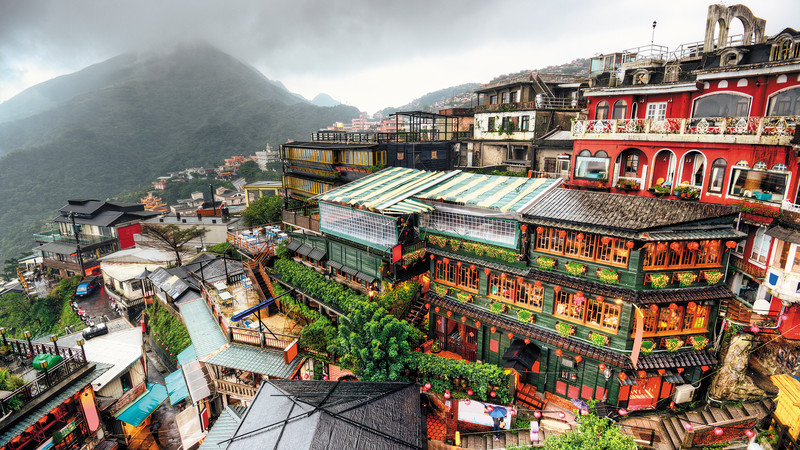
Planning a trip to Taiwan feels exciting — and slightly overwhelming if it’s your first time. Whether you're drawn to mountain trails, steaming street food, or colourful temples, this island welcomes visitors with layers of culture, flavour, and discovery. Before you book your international flight tickets, it helps to understand how Taiwan works, what to expect, and how to prepare for a smoother, richer experience.
This guide walks you through the key essentials — from visas and weather to language tips and cultural insights. You'll feel ready not just to visit, but to connect with what makes Taiwan so unique.
Why Travel to Taiwan?
Few places combine modern convenience with ancient tradition as gracefully as Taiwan. Cities like Taipei buzz with life, while hot springs, tea farms, and coral-fringed islands lie only hours away. Many who travel to Taiwan speak of the island’s kindness — from helpful shopkeepers to strangers guiding lost tourists.
Food plays a huge part. Stinky tofu shares menus with soup dumplings. Night markets become evening rituals. High-speed rail zips between coasts, making it easy to see more in less time.
Taiwan also feels safe. Walk through parks at midnight or board late-night trains without worry. That peace shapes how visitors explore — slowly, curiously, and with open hearts.
Entry Requirements and Travel Documents
Before stepping on the plane, check your travel documents carefully. Citizens from many countries, including Singapore, Malaysia, the UK, and much of Europe, can enter Taiwan without a visa for short stays. These entry periods range between 14 to 90 days depending on your passport.
Make sure your passport has at least six months of validity from the date of entry. Always carry a return or onward ticket to show proof of departure.
If unsure, consult your local Taiwan diplomatic office. Border rules change based on regional health advisories and diplomatic agreements.
When to Visit: Seasons and Weather Tips?
Taiwan enjoys four seasons, though not all are created equal for travel. Spring and autumn remain popular thanks to mild weather and scenic landscapes.
1. Spring (March to May):
Cherry blossoms bloom in mountain towns. The air feels fresh and the humidity stays low.
2. Summer (June to August):
Heat and rain dominate. Typhoon season begins in July, so plan accordingly.
3. Autumn (September to November):
Clear skies and crisp winds make this ideal for hiking and festivals.
4. Winter (December to February):
Cool temperatures settle over the north. Snow falls on high peaks like Hehuanshan. In the south, mild sunshine continues.
Pack clothing based on the region and time. Taiwan’s north gets colder and wetter. Southern areas such as Kaohsiung stay warmer year-round.
How to Get There: Flights and Airports?
Most visitors arrive at Taiwan Taoyuan International Airport (TPE), located near Taipei. It handles the majority of long-haul international flight tickets, offering easy connections to public transport.
Kaohsiung International Airport in the south serves regional flights. Travellers heading straight to southern destinations may choose this option.
After arrival, grab an EasyCard or iPASS for use on metros, buses, and trains. These contactless cards save time and reduce the need for small coins. You can buy and top-up cards at convenience stores or metro stations.
Transport Within Taiwan
Taiwan’s transport network feels fast, clean, and well-organised. Travel between cities by high-speed rail (HSR) or conventional trains. Within cities, metros and buses cover nearly every corner.
Taxis remain affordable. Drivers rarely speak English, so prepare addresses in Chinese or use a map app. Ride-hailing apps like Uber also work in most major areas.
For rural travel, rent a car or join local day tours. Mountain villages and farms can lie far from train lines.
Local Customs and Etiquette
Taiwanese culture blends Confucian respect with modern ease. While locals welcome visitors warmly, certain behaviours help you fit in.
- Remove shoes when entering homes or traditional inns.
- Speak quietly in public transport.
- Offer or receive items (like money or business cards) with two hands.
- Avoid placing chopsticks upright in rice bowls — it resembles funeral rituals.
Greetings often involve a polite nod or smile. Most locals will try to help if you seem lost, even with limited English.
Food Culture: What to Expect
Taiwanese cuisine runs deep. Think beyond bubble tea. Every region serves dishes shaped by history and geography.
In Taipei, soup dumplings (xiaolongbao) from Din Tai Fung delight visitors. Tainan offers sweetened noodles and slow-simmered broths. Coastal cities grill seafood on open flames. Don’t miss bento boxes on trains — tasty, tidy, and satisfying.
Street food holds cultural weight. Locals eat on stools under umbrellas, trading gossip and laughter. Grab scallion pancakes, oyster omelettes, or shaved ice and sit among the crowd.
Vegetarians find growing options. Buddhist-friendly restaurants avoid garlic and onions and label dishes clearly.
Money, Tipping, and Connectivity
Taiwan uses the New Taiwan Dollar (TWD). Cash remains common, especially at markets or family-run shops. Urban areas accept cards more widely now.
ATMs dot the island. Machines at 7-Eleven or post offices work best for foreign cards. Always carry small notes for buses and food stalls.
Tipping is not standard. Round up for drivers or porters if service feels exceptional, but no one expects it.
Stay connected with prepaid SIM cards or portable Wi-Fi routers. Telecom counters at airports provide these on arrival. Coverage extends even into mountain villages.
Cultural Events and Local Festivals
Taiwan’s calendar bursts with vibrant events. Planning around one can shape your trip.
- Lunar New Year (January–February): Family time, temple visits, and fireworks.
- Lantern Festival (February–March): Floating lanterns light up the night sky in Pingxi.
- Dragon Boat Festival (May–June): Teams race across rivers. Locals eat sticky rice dumplings.
- Mid-Autumn Festival (September–October): Families gather for mooncakes and barbecue.
Even smaller towns host temple parades, puppet shows, and seasonal food fairs. Ask hotel staff or locals about what’s happening nearby.
Health, Safety, and Emergencies
Taiwan’s health system ranks among Asia’s best. Pharmacies stay well-stocked and accessible. Carry any regular medicine with a prescription label. Most major hospitals accept foreign patients and offer translation services.
Tap water remains safe in cities, though many prefer boiling or bottled water. Hand sanitisers and masks are common in public.
Police stations provide maps and tourist help in many areas. Emergency services respond quickly. Dial 110 for police or 119 for ambulance and fire.
Taiwan Travel Checklist
Before boarding the plane, review this travel checklist. It helps ensure a smooth, informed journey.
Taiwan Travel Essentials
Final Thoughts
Taiwan invites not just sightseeing, but soul-feeding moments. You can sip oolong in a mountain teahouse, share dumplings with new friends, or gaze out from a coastal cliff as waves crash below. It asks little from visitors except for respect and curiosity.
Before you travel to Taiwan, prepare with intention. Buy your international flight tickets, but also plan to pause. Listen to locals. Try unfamiliar flavours. Embrace slow travel.
Once you return, Taiwan may stay in your memory not for big attractions, but for the way it made you feel — welcome, surprised, and always full.
FAQ’s
1. Do I need a visa to travel to Taiwan?
It depends on your nationality. Citizens from the UK, USA, Canada, most EU countries, and several others can enter Taiwan visa-free for up to 90 days. Always check with the nearest Taiwanese embassy or the official immigration website for the latest requirements.
2. When is the best time to visit Taiwan?
The best months are March to May (spring) and September to November (autumn). These seasons offer mild weather, fewer tourists, and colourful natural scenes. Summer is hot and humid, and winter can be rainy, especially in the north.
3. What food should I try while in Taiwan?
Must-try dishes include beef noodle soup, xiao long bao (soup dumplings), braised pork rice, and bubble tea. Night markets offer a wide variety of traditional snacks and regional specialities.