
Surgical Instruments Names
 GreyMed
Share this Post to earn Money ( Upto ₹100 per 1000 Views )
Surgical instruments are the backbone of modern medicine, playing a crucial role in procedures ranging from routine operations to complex surgeries. These tools are meticulously designed to ensure precision and safety, allowing surgeons to perform life-saving interventions with confidence. For healthcare professionals or aspiring medical students, understanding surgical instruments isn’t merely an academic exercise—it's a necessity that ensures both patient care and procedural efficiency.
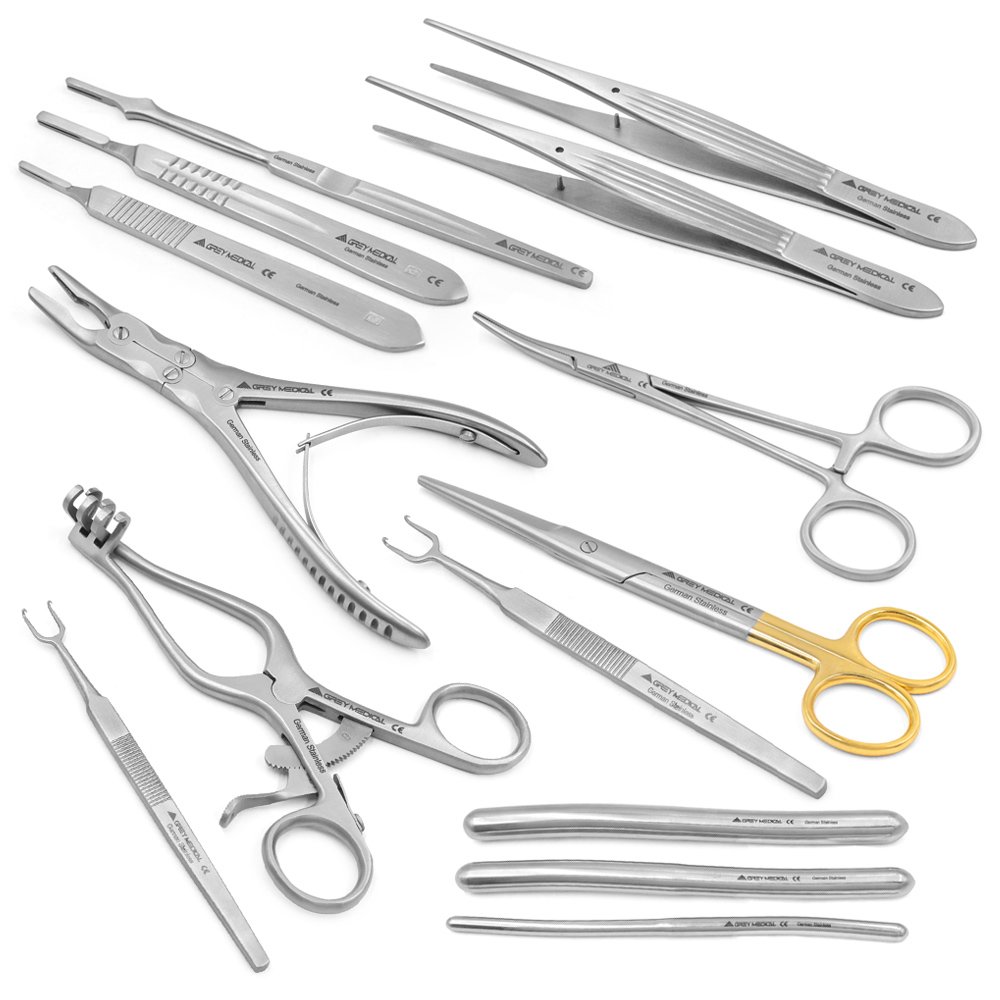
A Closer Look at Surgical Instruments
Surgical instruments are as varied as the surgeries they are used in. Each tool is crafted to perform specific actions, such as incising, cutting, grasping, holding, retracting, or suturing. They are often made from high-grade metals, designed to withstand rigorous sterilisation processes. But these instruments are more than just tools—they're extensions of a surgeon’s skill and expertise.
Some of the most common surgical instruments include forceps, scalpels, retractors, and scissors. While these may seem deceptively simple, they are integral to achieving accuracy in every surgical procedure. An understanding of these tools not only helps in their correct usage but also in maintaining high standards of hygiene and performance.
Categories of Surgical Instruments
Surgical instruments can be broadly classified based on their intended function. Cutting instruments, such as scalpels and scissors, are crafted for sharp precision, ensuring clean incisions and precise tissue separation. Grasping and holding instruments, like forceps, are indispensable for maintaining a stable field of operation, allowing surgeons to handle tissues delicately yet securely.
Retractors play a vital role by keeping the surgical site exposed, providing optimum visibility. Hemostatic instruments, such as clamps, are essential for controlling bleeding, often serving as the surgeon's most critical asset in maintaining haemostasis during complex procedures.
Each category represents a distinct piece of the surgical puzzle, and these classifications serve as a framework for understanding the exhaustive catalogue of instruments used across medical disciplines.
Names and Uses of Key Surgical Instruments
Scalpels and Blades
Scalpels are one of the most recognisable surgical instruments, symbolising precision in surgery. Available in various sizes and blade shapes, scalpels are typically used for incisions. They are indispensable in procedures requiring clean and controlled tissue cutting.
Surgical Forceps
Forceps, often resembling tweezers, are integral to grasping and holding tissues during surgery. They range from delicate tissue forceps, used in fine surgeries like ophthalmology, to robust hemostatic forceps that clamp blood vessels to control bleeding.
Scissors
Surgical scissors are precision instruments designed for cutting tissues or sutures. Metzenbaum scissors, for instance, are widely used in softer tissues, while Mayo scissors handle tougher tissues with ease. These instruments embody versatility and surgical precision.
Retractors
Retractors, like the Gelpi or Ribbon retractor, hold tissues or organs back to provide unobstructed access to the surgical area. Their ergonomic design ensures that surgeons can operate efficiently even in challenging cases.
Clamps
Titanium clamps including artery clamps and bulldog clamps, are used to compress blood vessels and control bleeding during surgical procedures. Their design is particularly essential in vascular and thoracic surgeries, where precision is paramount.
Needle Holders
Needle holders, sometimes referred to as needle drivers, are the tools that make suturing possible. They hold the needle firmly while stitching, ensuring minimal tissue trauma and impeccable suturing results.
Importance of Knowing Surgical Instruments
For medical professionals, familiarity with surgical instruments is fundamental. It goes beyond memorising names—being well-versed in their design, function, and proper usage can often make the difference between procedural success and complications. For instance, using an improper instrument can result in unintended harm or prolonged surgical time, outcomes that no practitioner desires.
Additionally, proper knowledge also aids in maintaining these instruments for repeated use. Surgical instruments are an investment not only in financial terms but also in patient safety. Routine sterilisation and inspections are enhanced when team members understand the intricate details of these tools.
Concluding Thoughts
Surgical instruments form the foundation of successful medical interventions. Every instrument carries a specific purpose, unified towards the goal of patient care and positive surgical outcomes. For those in the healthcare field, mastering the names, uses, and maintenance of surgical instruments is a critical step in ensuring proficiency and preparedness. While the tools themselves may be silent, their role in saving lives resonates profoundly within the walls of an operating room.
















