Schmidt Tonsil Forceps Surgical Instrument
 GreyMed
Share this Post to earn Money ( Upto ₹100 per 1000 Views )
The medical field relies heavily on the precision and reliability of surgical instruments. Among these, the Schmidt tonsil forceps stand out as an essential tool, particularly in the realm of otolaryngology (ENT) and general surgery. This instrument combines high performance with functionality, making it indispensable in medical facilities worldwide.
Understanding Schmidt Tonsil Forceps
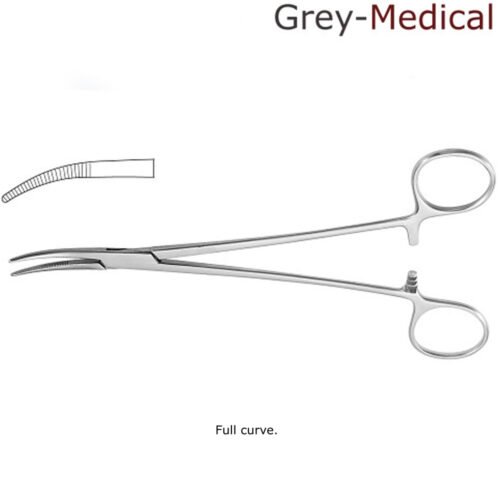
Schmidt tonsil forceps, sometimes referred to as "curette clamps" or simple tonsil clamps, are designed specifically to aid in tonsillectomies and other related procedures. These forceps have long, slender jaws with atraumatic tips, ensuring that tissues are handled delicately during surgery. Their curved or straight appearance coupled with a ratcheted locking mechanism enables surgeons to perform with precision and control, even in complex or deep surgical sites.
Unlike standard forceps, Schmidt tonsil forceps feature a design optimized for versatility. The fine serrations along the jaw provide a secure grip on tissue or surgical sponges while minimizing trauma. This makes them suitable not only for tonsillectomies but also for airway management, delicate tissue handling, and even as clamps during vascular surgeries.
Features That Set Schmidt Tonsil Forceps Apart
Key features of this instrument make it a valuable asset in surgical settings. Its unique construction, crafted from high-grade stainless steel, ensures excellent durability, resistance to corrosion, and the ability to withstand repeated sterilization cycles without degrading. The ergonomic design minimizes hand fatigue during lengthy operations, improving surgeon efficiency and patient outcomes.
The precision with which ringed forceps are manufactured ensures proper alignment of the jaws, guaranteeing that tissue or foreign objects can be held securely during procedures. Additionally, the locking ratchets provide controlled gripping strength, giving surgeons the flexibility to maintain or adjust pressure as needed.
Available in various sizes, Schmidt tonsil forceps offer customization to meet specific surgical requirements. This adaptability makes them suitable not only for adult tonsillectomies but also for pediatric procedures where delicate handling is paramount.
Common Surgical Applications
The primary application of Schmidt tonsil forceps lies in their name—they are widely used in tonsillectomies to grasp, clamp, or remove tonsils safely. However, their value extends far beyond a single procedure.
These forceps are critical in controlling bleeding during surgeries by clamping blood vessels and securing hemostatic materials. Their tapered, angled design makes them ideal for reaching deep areas in the throat or other confined anatomical spaces, ensuring careful and precise tissue management.
Beyond otolaryngology, Schmidt tonsil forceps prove helpful in various surgical disciplines. They may be used in gynecological procedures for manipulating delicate tissues or in thoracic surgeries where precise clamping near critical structures is necessary. Their versatility underscores their importance as a go-to tool in any operating room.
Importance in Surgical Procedures
Schmidt tonsil forceps are invaluable due to their ability to enhance operative efficiency and safety. By ensuring a firm but gentle grip, they mitigate the risk of tissue damage or accidental trauma during intricate procedures. For surgeons, the reliability of these forceps translates into greater confidence during operations, particularly in high-stakes environments.
Their role in achieving hemostasis cannot be overstated. Controlling bleeding during surgeries is critical to minimizing complications, and Schmidt tonsil forceps allow healthcare professionals to manage even complex vascular challenges effectively. Furthermore, their adaptability to tasks such as removing foreign objects or securing drapes during procedures demonstrates their indispensable nature.
With surgical innovations continuously evolving, Schmidt tonsil forceps have remained a trusted instrument due to their robust design and efficiency. They epitomize the fusion of functionality and precision, ensuring that patients receive the safest and most effective care possible.
The Role of Quality in Surgical Instruments
The enduring value of Schmidt tonsil forceps highlights the importance of investing in high-quality medical instruments. Instruments produced with inferior materials or craftsmanship can jeopardize patient safety and hinder surgical workflows. Opting for reputable manufacturers who adhere to stringent industry standards ensures that instruments maintain their performance even under strenuous conditions.
High-quality Schmidt tonsil forceps undergo rigorous testing to ensure that their design meets the exacting demands of modern surgical procedures. From perfect alignment to flawless locking mechanisms, every aspect contributes to their effectiveness during operations. Additionally, their reusable nature makes them cost-effective while promoting sustainable practices in the healthcare industry.
A Reliable Choice for Surgical Professionals
For medical practitioners, having reliable surgical instruments like Schmidt tonsil forceps is essential. With their unmatched precision, ergonomic design, and unparalleled versatility, they are firmly established as one of the most important tools in a surgeon's kit. Covering an array of specialties, these forceps stand as an example of how innovation in medical device design can drive better patient outcomes.
Whether used for routine tonsillectomies or highly complex operations, Schmidt tonsil forceps deliver the control and assurance needed in the demanding environment of the operating room. Their legacy as a reliable instrument continues to grow, making them a trusted choice for healthcare professionals worldwide.