Roller Skating Lessons: What to Wear, What to Bring, and How to Prepare
Prepare for roller skating lessons with the right outfit, gear, and tips. Learn what to wear, bring, and expect for a smoother, safer experience.
 skatesoutvirtual
Share this Post to earn Money ( Upto ₹100 per 1000 Views )
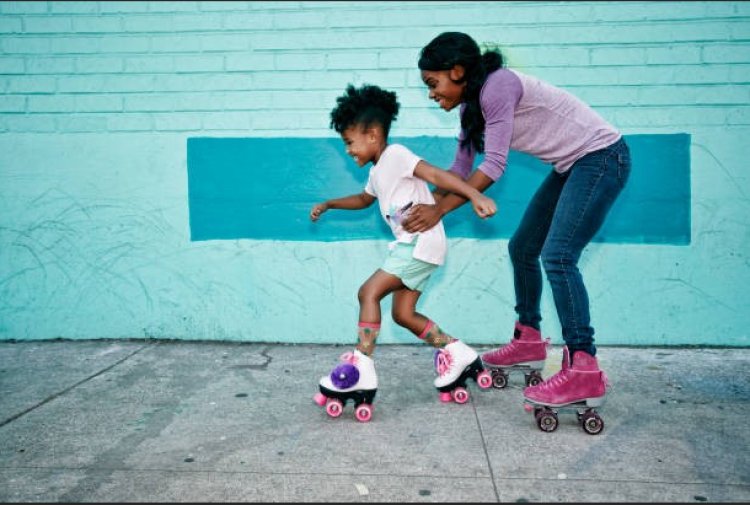
Starting your first roller skating lessons is exciting, but it also comes with a lot of small questions.
What should you wear?
Do you need your own skates?
How do you even prepare for something like this?
Most beginners overthink these things, and that’s completely normal. The goal is not to be perfect before you start. The goal is to show up prepared enough that you can focus on learning instead of adjusting.
When you get the basics right, everything else becomes easier. Your body moves better, your confidence improves, and your learning curve becomes much smoother.
Let’s break this down properly so you know exactly what to expect.
Key Takeaways
-
Comfortable clothing helps you move freely during roller skating lessons
-
Properly fitted skates improve balance and control from day one
-
Protective gear builds confidence and reduces fear of falling
-
Bringing a few essentials keeps your session smooth and distraction-free
-
Good equipment, including well-maintained skate bearings, makes skating easier
What to Wear to Your Roller Skating Lesson
Right Clothing
What you wear directly affects how you move. Roller skating is not just standing and rolling. Your body is constantly adjusting, bending, and shifting weight. If your clothing restricts movement, you will feel stiff. And when you feel stiff, balancing becomes harder than it needs to be.
The best approach is to keep things simple and practical. You want clothing that allows full movement without distraction. For most people, that means:
-
Stretchable pants like leggings or joggers
-
A breathable top that keeps you cool
-
Socks that provide a bit of cushioning inside the skates
These small choices make a noticeable difference once your roller skating lessons begin.
At the same time, try to avoid anything that gets in your way. Stiff jeans, overly loose outfits, or heavy layers can make movement awkward and uncomfortable.
Your Skates Can Make or Break the Experience
One of the biggest mistakes beginners make is not paying attention to their skates. You might think, “As long as they fit, I’m fine.”
But skating does not work like regular shoes.
Your skates need to support your balance. A proper fit should feel snug and secure without causing pressure. Your heel should stay in place, and your toes should have just enough room to move slightly.
For children, this becomes even more important. Well-fitted kids' roller skates help them feel stable, which builds confidence early on.
Before your roller skate lessons, take a moment to check:
-
Do the wheels roll smoothly?
-
Are the laces or straps secure?
-
Does the ankle feel supported?
Also, do not overlook internal parts like skate bearings. When bearings are clean and working properly, skating feels smooth and controlled. When they are not, everything feels harder than it should.
Do Not Skip Protective Gear
Let’s address the part everyone thinks about but rarely says out loud. Yes, you will probably fall at some point.
And that is completely fine.
What matters is how prepared you are for it. Protective gear is not just about avoiding injuries. It changes how you approach learning. When you feel protected, you are less afraid to try. And when you are less afraid, you improve faster.
At a minimum, you should have:
-
A helmet
-
Knee pads
-
Elbow pads
-
Wrist guards
These are not optional, especially for beginners and kids attending roller skating lessons. They give you the confidence to move without hesitation.
What You Should Bring with You
You do not need to carry a lot, but showing up with a few essentials can make your experience much smoother. Think of it this way. The fewer distractions you have, the more you can focus on learning.
Here are a few things that are actually useful:
-
A water bottle to stay hydrated
-
Extra socks in case your feet get uncomfortable
-
A small towel for longer sessions
-
A light snack, especially for kids
If you already have your own skates or gear, bring them. Consistency helps, especially as you continue your roller-skating lessons.
Preparing Yourself Mentally Matters Just As Much
Most people prepare physically but forget about the mental side of things. This is where a lot of beginners struggle. You might feel nervous. You might worry about falling or looking awkward. That is part of starting something new.
Instead of trying to eliminate that feeling, accept it. Everyone you see skating confidently today started exactly where you are. A better approach is to focus on little progress. You do not need to master everything in one session. Learning how to stand properly or take a few controlled steps is already a win.
It also helps to stay relaxed. When you tense up, your body becomes harder to control. Keeping your knees slightly bent and your posture loose improves balance more than you might expect.
What Actually Happens in Roller Skating Lessons
Knowing what will happen or what your first session will be like also helps you prepare better. Roller skating lessons are structured to help beginners build a strong foundation. You are not expected to know anything beforehand.
Most lessons focus on:
-
Understanding basic stance and balance
-
Learning how to fall safely
-
Practicing controlled movement
-
Developing stopping techniques
These fundamentals may seem simple, but they are what everything else builds on. Once you are comfortable with these, progress becomes much faster and more natural.
Common Mistakes to Avoid at Rolling Skate Lessons
A lot of early frustration comes from small habits that are easy to fix. Most beginners struggle not because skating is too hard, but because of these simple mistakes:
-
Looking down constantly: It feels natural to watch your feet, but it throws off your balance. Keeping your gaze forward helps your body stay aligned.
-
Standing too straight: Locked knees make you unstable. Slightly bent knees give you better control and flexibility while moving.
-
Rushing the process: Trying to move too quickly often leads to more falls. Slowing down and building step by step is far more effective.
-
Ignoring equipment condition: Something as simple as worn-out skate bearings can make movement feel rough and harder to control, especially for beginners.
Conclusion
Starting roller skating lessons is not about getting everything perfect. It is about showing up prepared enough to learn without unnecessary struggle. When you wear the right clothing, use properly fitted skates, and bring a few essentials, you remove most of the common barriers beginners face.
From there, everything becomes easier. You feel more stable, more confident, and more willing to try.
And if you want to learn in an environment that actually supports beginners step by step, Skates Out offers lessons designed to help you build confidence on wheels. With our preparation and the right guidance, skating will quickly become something you enjoy instead of something you worry about.
FAQs
What should I do if I feel unsteady as soon as I stand in skates?
That is completely normal. Before trying to move, focus on your stance. Keep your knees slightly bent, feet shoulder-width apart, and weight centered. Holding onto a wall or rail at first can help you get comfortable before taking your first steps.
Is it better to learn indoors or outdoors for the first lesson?
For beginners, indoor lessons are usually easier. The surface is smoother, which makes balancing and controlling movement more predictable. Outdoor skating can be introduced later once you feel more stable.
How early should I arrive before my roller skating lesson?
Arriving 10 to 15 minutes early is ideal. It gives you enough time to put on your gear, adjust your skates properly, and mentally settle in before the lesson begins.
Should I eat before my roller skating lesson?
Yes, but keep it light. A small meal or snack about 30 to 60 minutes before your lesson helps maintain energy without making you feel heavy or uncomfortable while skating.