Rising to the Challenge: How the Automatic Flood Barrier Protects Cities Instantly!
 floodpreventionproducts
 Share this Post to earn Money ( Upto ₹100 per 1000 Views )
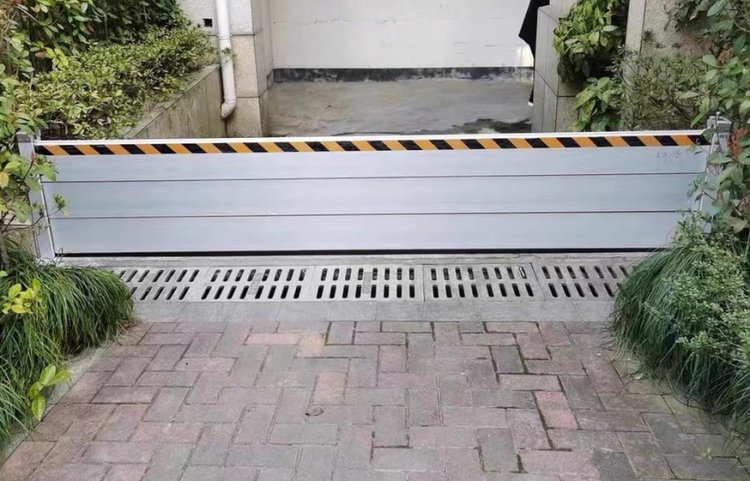
Every year, billions of dollars are lost to flood damage around the world. From coastal surges and typhoon‑driven tides to torrential inland rainfall, the devastating effects of water infiltrating urban centers are becoming more frequent and severe. Traditional infrastructure, once deemed adequate, now struggles to keep up with unpredictable climate dynamics. In such conditions, speed and self‑reliant solutions matter more than ever.
Enter the Automatic Flood Barrier—one of the most innovative responses to urban flooding in modern civil engineering. Unlike conventional manual or demountable systems, automatic barriers respond instantly to rising water levels, operating without external power or human intervention. In doing so, they epitomize the fusion of smart technology, engineering precision, and sustainable urban planning.
At Newflag Technology Co., Ltd., this innovation represents our commitment to developing adaptive, responsive, and environmentally informed flood‑defense solutions. Designed to deploy automatically at the first sign of floodwater, the Automatic Flood Barrier safeguards cities, properties, and lives, redefining what it means to be prepared for environmental extremes.
1. Understanding the Automatic Flood Barrier Concept

An Automatic Flood Barrier is an intelligent flood‑control device designed to rise automatically in response to rising water levels, forming an immediate barrier without human operation. When floodwaters recede, it returns gracefully to its hidden or ground‑level position, keeping spaces clear during normal conditions.
This self‑activating nature marks a radical departure from traditional flood defenses, which require manual setup, power supply, or visible permanent structures. The system functions passively yet efficiently, using fundamental hydrostatic principles rather than mechanical energy. It’s a form of “automatic architecture”: protection that hides beneath everyday infrastructure until the environment calls it into action.
At Newflag Technology Co., Ltd., years of research and field experience converge in developing this automated protection line. Each system is custom‑engineered to match specific elevation levels, hydrological data, and local geographical characteristics to ensure timely deployment and reliable long‑term use.
2. How It Works: Engineering the Instant Response
The secret behind the Automatic Flood Barrier lies in physics—specifically buoyancy and hydraulic equilibrium.
Step 1 – Standby (Non‑Flood Period)
Under normal circumstances, the barrier remains concealed within its recessed casing flush with the ground or entry threshold. Pedestrians, vehicles, or daily operations continue unimpeded. There is no visual obstruction, electrical consumption, or mechanical motion.
Step 2 – Activation
As floodwater flows into a specially designed drainage channel connected to the barrier pit, it accumulates in a flotation chamber beneath the barrier plate. The water’s buoyant force lifts the barrier panel upward smoothly.
Step 3 – Automatic Locking
As the panel fully rises, locking pins and side seals engage automatically, creating a watertight perimeter. The barrier now functions as a robust wall capable of resisting heavy hydrostatic pressure.
Step 4 – Return to Resting Position
When floodwaters subside, gravity and controlled drainage return the barrier to its original slot without assistance. The system resets for the next event.
This elegant mechanism eliminates human error and ensures protection regardless of time, personnel availability, or power outages. Every component—from float chambers and guide rails to sealing details—is meticulously built for reliability and repetition.
3. Technical Features and Design Highlights
The Automatic Flood Barrier may appear simple in function, but its engineering precision rivals that of high‑tech mechanical systems.
a. Hydraulic Self‑Activation
Relying solely on hydrostatic pressure, the unit requires no electricity, sensors, or manual intervention—making it inherently fail‑safe during blackouts or critical emergencies.
b. High‑Strength Materials
Barriers are typically fabricated from marine‑grade stainless steel or coated aluminum with reinforced gussets, ensuring resistance against corrosion and impact.
c. Watertight Sealing
EPDM rubber gaskets and precision grooves maintain a continuous seal, preventing seepage even at maximum water pressures.
d. Minimal Maintenance
Because the system has no motors or electronics, maintenance involves periodic inspection, cleaning, and lubrication of hinges—but very little else.
4. Why Automatic Protection Matters
Relying on manual deployment during an impending flood poses serious disadvantages: limited manpower, delayed response, difficult nighttime or storm conditions, and operational errors. In contrast, the Automatic Flood Barrier provides 24/7 readiness without any human input.
-Immediate Response—Zero Warning Time Needed
Because action is automatic, even flash floods trigger instant defense within minutes.
-Resilient to Human Error
The system bypasses the need for staff, training, or warning. Protection is always “on standby.”
-Independent Operation
Since it activates via hydrostatic force, it doesn’t depend on external electricity, making it functional during power cuts commonly associated with severe storms.
-Low Lifecycle Cost
Operating costs remain negligible compared with pump‑driven gates or complex mechanical barriers.
This capability transforms crisis management from “reactive effort” to “automatic assurance.”
5. Applications Across Industries and Cities
Urban Infrastructure and Public Facilities Metro stations, tunnels, substations, and parking garages benefit immensely from automatic systems. They protect sensitive facilities where downtime is unacceptable.
Commercial Complexes
Shopping malls and office entrances employ the Automatic Flood Barrier at doorways, ramps, or delivery bays—especially in basements or waterfront properties.
Residential and Private Properties
For homeowners, especially in coastal or riverside environments, units provide discreet yet powerful protection integrated around garages, gardens, or basements.
Industrial Facilities
Factories, data centers, and energy plants house expensive machinery vulnerable to flooding. Automatic defenses secure these spaces with minimal operational disruption.
Transport Infrastructure
Airports, logistic hubs, and seaport access points depend on these automated systems for rapid flood control without having to suspend operations or close routes.
6. Manufacturing and Quality Control at Newflag
Precision manufacturing defines product longevity. Newflag Technology Co., Ltd. applies rigorous protocols throughout design and production:
- CAD and Finite‑Element Analysis simulate hydrostatic pressure and dynamic loads.
- Precision CNC Fabrication ensures uniform hinge alignment and structural strength.
- Material Traceability Certification proves compliance with marine‑grade metal standards.
- Factory Flood Simulation Testing under controlled conditions validates sealing efficiency.
By uniting computational modeling with hands‑on quality inspection, every Automatic Flood Barrier leaves the factory ready for real‑world demands.
7. Integration with Existing Architecture

Unlike permanent flood walls, automatic systems preserve accessibility and aesthetics. Newflag’s engineers work with architects and city planners to seamlessly embed units into entrances, roadways, or landscaping designs.
- Flush Installation: Barriers concealed within roads or ramps, completely flush when inactive.
- Custom Finishes: Surface covers can match surrounding paving materials.
- Retrofit Capability: Compatible with existing buildings without major construction.
The outcome is invisible readiness—a hallmark of modern resilient design.
8. Maintenance and Lifecycle Efficiency
Maintenance simplicity ensures long‑term viability:
- Quarterly Visual Checks for debris accumulation or seal wear.
- Annual Functional Test simulating rising water.
- Lubrication and cleaning were carried out using basic tools.
With proper care, lifespan can exceed 50 years. As there are few moving parts or power systems, component failure likelihood remains negligible, keeping total cost of ownership extremely low.
9. Economic Perspective: Cost vs. Value
While initial investment might exceed manual barriers, life‑cycle analysis clearly justifies the cost:
- Reduced Damage Losses—barriers activate without delay.
- No Labor Expenses for setup or standby.
- Insurance Benefits—lower premiums for protected facilities.
- Asset Preservation—critical for high‑value properties and industries.
10. The Future of Flood Protection

As cities embrace digitalization and climate adaptation, the line between civil engineering and automation continues to blur. Future iterations of the Automatic Flood Barrier will integrate with IoT networks, granting city authorities real‑time visibility of barrier status, flood levels, and maintenance alerts.
Floods are inevitable—but damage doesn’t have to be. The Automatic Flood Barrier stands as proof that preparedness can be automatic, aesthetic, and environmentally conscious all at once. Through fluid mechanics and thoughtful design, it enables cities and industries to respond to disasters before they happen.
Frequently Asked Questions (FAQ)
Q1. What is an Automatic Flood Barrier?
It is a flood‑defense system that rises automatically using the buoyancy of rising water, forming a watertight barrier without manual operation or electrical power.
Q2. How fast does it respond during a flood?
Activation starts as soon as water enters the trigger chamber; within minutes, the barrier fully deploys—much faster than manual deployment methods.
Q3. Are these barriers suited for both commercial and residential sites?
Yes. Systems are customized per application, ranging from metro entrances to private driveways or industrial doorways.
Q4. Do they need electricity or hydraulic power to operate?
No. The mechanism relies solely on hydrostatic pressure from floodwater, making it functional even during power outages.
Q5. What materials are used in manufacturing?
Typically marine‑grade stainless steel, aluminum, and high‑density rubber seals designed to resist saltwater, chemicals, and long‑term corrosion.
Q6. How long does an Automatic Flood Barrier last?
With periodic inspection and cleaning, systems often remain fully functional for 40–50 years or more.
Q7. Can the system be installed in existing buildings?
Yes. Retrofit designs fit most entryways, car parks, ramps, and infrastructure without major structural modification.
Q8. What happens if the barrier fails to rise?
Multiple redundancies ensure operation. Water enters two independent flotation points; even if one is blocked, the other activates the system. Routine maintenance prevents blockage.
Q9. Is the system environmentally friendly?
Yes. It operates entirely without energy use and is constructed from recyclable materials that meet global environmental standards.
Q10. Why choose Newflag Technology Co., Ltd. for Automatic Flood Barrier solutions?
Because Newflag combines technological innovation with decades of engineering experience. Our systems are individually tested, customized for site conditions, and supported by dedicated after‑sales partnerships worldwide.