Nail Sizing Data Report: The Most Common Thumb Sizes and Shape Preferences
Explore nail sizing data to understand common thumb sizes and shape trends. Learn how it impacts custom nail sets, fit, and overall nail design choices.
 honeybaenailz
Share this Post to earn Money ( Upto ₹100 per 1000 Views )
Why does the thumb always feel like the “problem nail” when everything else fits just fine?
This is one of the most common concerns among people who use press-ons. And when you step away from guesswork and look at actual nail sizing data, the reason becomes clear. The thumb is not just another nail. It has its own sizing behavior and its own shape preferences.
This report focuses on two key areas: what the data says about common thumb sizes, and how shape preferences are influenced by that size. Once you understand these two, choosing the right nails becomes much easier.
Common Thumb Sizes: What Nail Sizing Data Actually Shows
When brands and nail artists collect nail sizing data, one consistent pattern appears across different regions and customer groups. Thumb sizes do not follow the same uniform pattern as other fingers.
Most Common Thumb Size Range
The majority of users fall within:
-
Size 0 to Size 3
Within this range, the highest concentration is typically:
-
Size 1 and Size 2
This means most people sit in the middle of the sizing chart, but that does not mean standard sizing works for everyone. A noticeable percentage of users fall just outside these sizes. Some have wider thumbs that need more coverage, while others have narrower nail beds that standard sizes do not accommodate properly.
This variation is the main reason why thumb sizing issues are so common.
Variation Between Both Thumbs
Another important finding from nail sizing data is that thumb sizes are often not identical on both hands. The difference may be small, but it is enough to affect:
-
Alignment
-
Comfort
-
Overall appearance
This is why using the same size for both thumbs can sometimes lead to one nail sitting perfectly while the other feels slightly off.
Why the Thumb Is Harder to Fit
The thumb is structurally different from other nails. It is:
-
Wider
-
Flatter in curvature
-
More exposed to pressure during daily tasks
Because of this, even a slight mismatch in size becomes noticeable quickly. A nail that is too small will feel tight. A nail that is too large may leave gaps along the sides. This is where many people begin to look for better-fitting options like custom nail sets, where each thumb can be sized individually rather than forced into a standard template.
Shape Preferences: What People Actually Choose and Why
Once sizing is understood, the next question becomes: “What shapes do people prefer, and how does thumb size influence that choice?” Shape is not just about style. It directly affects how balanced the nail looks, especially on wider thumbs.
Square and Squoval Shapes
These are the most commonly chosen shapes for everyday wear. They are:
-
Practical
-
Easy to maintain
-
Suitable for shorter lengths
However, on wider thumbs, square shapes can sometimes make the nail appear broader.
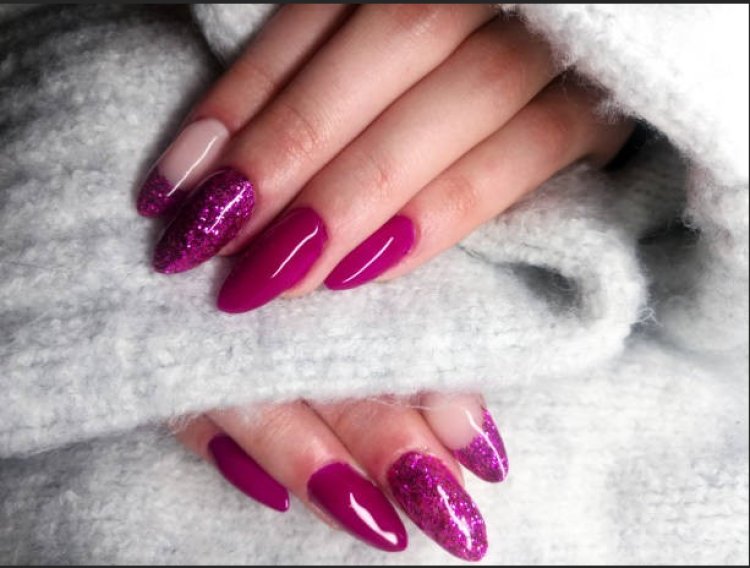
Almond Shape
Almond is one of the most balanced and widely preferred shapes. It works well because:
-
It softens the edges
-
It creates a slightly elongated look
-
It suits both narrow and wide nail beds
For thumbs, this shape is often chosen because it visually reduces width.
Coffin and Ballerina Shapes
These shapes are popular for more styled looks and are often paired with extra-long nails. They:
-
Create a structured silhouette
-
Works well for bold designs
-
Require more precise sizing to maintain balance
On thumbs, coffin shapes can look flattering when properly sized, but if the width is not adjusted, they can appear bulky.
Stiletto Shape
While less common for daily wear, stiletto shapes are still chosen for dramatic designs. They are typically used for occasions rather than long-term wear.
How Thumb Size Influences Shape Choice
This is where nail sizing data becomes especially useful.
A wider thumb paired with a straight-edged shape like a square can look even wider. On the other hand, tapered shapes like almond or coffin can create a more refined appearance.
Because of this, many nail artists and brands adjust thumb shapes slightly when creating handmade press-ons. The goal is to maintain the design while improving how it looks on a wider nail. This small adjustment makes a noticeable difference in how natural the nails appear once applied.
What This Means When Choosing Nails
Understanding these patterns changes how you approach nail selection.
Instead of choosing based only on design, it becomes important to consider:
-
Your exact thumb size on both hands
-
How different shapes will look on that width
-
Whether the set allows flexibility in sizing
This is also why many people move toward custom nail sets, especially after repeated issues with standard sizing. When each thumb is sized correctly and paired with the right shape, the difference is immediate.
Conclusion
The thumb is not difficult to size because you are doing something wrong. It is difficult because it is naturally more variable than any other nail. Once you understand what nail sizing data shows about thumb sizes and shape preferences, things start to make more sense. You begin to see why certain shapes work better, why some sets feel off, and what to look for next time.
If you want nails that feel comfortable, look balanced, and last longer, it comes down to this: choose with intention, not assumption. And when possible, go for options that consider real sizing patterns rather than fixed standards. That is where the real difference lies.
FAQs
How can I tell if my thumb’s nail has a flat or curved shape before ordering?
Look at your nail from the front, not the top. If the sides appear straight with little arch, your nail is flatter. If it curves inward, it has more structure. This helps you choose nails that sit flush instead of lifting at the edges.
Why do some thumb nails look “bulky” even when the size is correct?
This usually comes down to shape, not size. Wider thumbs paired with straight shapes like a square can look heavier. Switching to a slightly tapered shape often creates a cleaner, more balanced look without changing the size.
Do different nail brands use the same sizing scale for thumbs?
Not always. While many brands follow similar size numbers, the actual width and curvature can vary. That is why relying only on numbers without checking measurements can lead to inconsistent results.
What should I check in a nail application kit before applying thumb nails?
A good nail application kit should include prep tools like a file, cuticle pusher, and cleansing wipes, along with strong adhesive. For thumbs specifically, proper prep is key because they handle more pressure, so clean surfaces and secure bonding make a noticeable difference in wear time.