Ice Bath for Sale: 5 Things to Check Before Buying
Before you buy an ice bath, check these 5 essential factors. From chiller capacity and insulation to warranty and water treatment, here's what separates a smart buy from a costly mistake.
 icebathdubai
Share this Post to earn Money ( Upto ₹100 per 1000 Views )
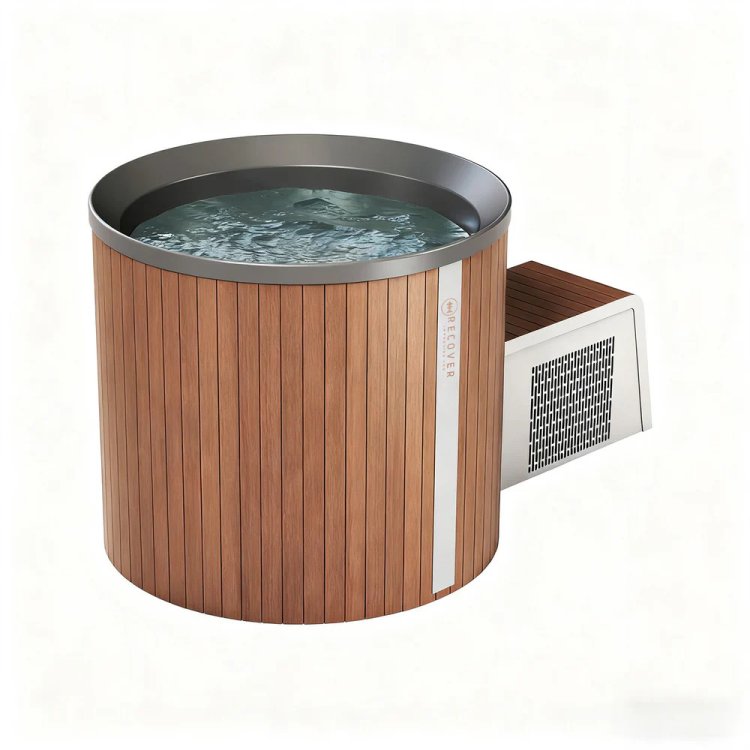

The cold plunge market has grown dramatically. What was once a niche category with a handful of manufacturers is now a crowded space with hundreds of products at every price point — from AED 400 inflatable tubs to AED 30,000 premium chiller systems.
That variety is useful for buyers. But it also creates real risk. Some products are excellent. Many are average. A handful are genuine money traps that fail within months, lack service support, or simply do not perform as marketed.
Before you buy an ice bath — at any price point — these five checks will protect your investment and ensure you get a product that actually delivers.
The Cold Plunge Market in 2026
In 2026, the cold plunge market includes:
-
Basic inflatable units from Asian manufacturers sold via Amazon and mass marketplaces
-
Mid-tier hard-shell tubs with external chiller compatibility
-
Premium integrated chiller systems from established wellness brands
-
Custom in-ground installations from pool and spa contractors
Each category has legitimate use cases. The right choice depends on your frequency, budget, climate, and space — but across all categories, these five checks apply.
Thing 1: Chiller Capacity and Temperature Range
This is the single most important performance specification on any cold plunge unit.
What to check:
-
What is the chiller's HP (horsepower) rating?
-
What ambient temperature was the performance tested at?
-
Can it maintain the target temperature (50°F/10°C) in your actual environment?
Most manufacturers test chiller performance at 68°F (20°C) ambient temperature. If you live in Dubai, Phoenix, or any warm climate, that rating is meaningless — your ambient temperature in summer may be twice that.
For warm climates, you need at minimum a 1/2 HP chiller. For outdoor installation in hot climates, 3/4 HP to 1 HP is the appropriate specification. Undersized chillers run continuously, overheat, fail prematurely, and deliver inconsistent water temperatures.
Ask the vendor directly: what temperature can this unit maintain at 40°C ambient? If they cannot answer clearly, that is informative.
Thing 2: Build Quality and Materials
Cold plunge tubs live a hard life — constant water exposure, temperature cycling, UV exposure if outdoors, and physical entry and exit loading. Build quality determines whether your tub lasts 1 year or 10 years.
What to check:
-
Tub material: High-density polyethylene (HDPE) or fiberglass is superior to basic plastic or vinyl
-
Hardware: Marine-grade stainless steel for fittings, hinges, and drain components
-
Insulation: Closed-cell foam insulation maintains water temperature between sessions and reduces chiller runtime — look for insulation thickness specifications
-
UV resistance: Critical for outdoor units; cheaper plastics crack and discolor within one UAE summer
-
Weight capacity: Confirm the tub is rated for your body weight with a safety margin
Run your hand along the seams and fittings if examining in person. Rough edges, uneven seams, or plastic hardware are indicators of shortcuts in manufacturing.
Thing 3: Water Filtration and Sanitation System
This is the most commonly overlooked specification by first-time buyers — and the one that most affects long-term satisfaction.
Without adequate filtration, water in a cold plunge tub becomes a bacterial environment within days. Cold temperatures slow but do not prevent bacterial growth. If you are using your tub daily, water quality management is non-negotiable.
What to check:
-
Does the unit include a built-in filtration system? What type? (Cartridge, sand, or diatomaceous earth?)
-
Is there UV or ozone sanitation built in, or available as an add-on?
-
What is the water change frequency recommended by the manufacturer?
-
What chemicals are required, and what is the ongoing cost?
The gold standard is a multi-stage system combining mechanical filtration, UV sanitation, and a non-chlorine oxidizer. Units with only basic filtration require full water changes every 3–5 days, which is expensive and impractical for serious users.
Thing 4: Warranty, Service, and Support
A cold plunge system is a mechanical product with moving parts — pumps, compressors, filtration motors. Things will eventually need servicing or replacing. Your ability to get that service quickly and affordably is a function of where you bought it and from whom.
What to check:
-
What is the warranty period? (Minimum: 1 year on chiller, 2 years on tub structure)
-
Is warranty service available locally, or do you need to ship components internationally?
-
Is the brand represented by a local dealer or service agent in your country?
-
What do real customer reviews say about warranty claim experiences?
Buying a quality brand with weak local support is a real problem. A chiller failure mid-summer with no local service agent means weeks without your recovery tool. Choose brands with established regional service infrastructure or buy from local suppliers who provide service support directly.
Thing 5: Total Cost of Ownership
The purchase price is not the cost of owning a cold plunge. Total cost of ownership (TCO) over 3 years includes every expense associated with buying, running, and maintaining the unit.
Calculate your TCO:
-
Purchase price
-
Delivery and installation costs
-
Electrical installation (if new circuit required)
-
Monthly electricity cost (chiller runtime)
-
Water treatment chemicals monthly
-
Filter replacement annually
-
Ice cost if applicable
-
Any extended warranty or service plan
A cheap AED 3,000 tub with poor insulation, a weak chiller that runs 18 hours a day, and no filtration system requiring weekly water changes can easily cost more over 3 years than a AED 15,000 premium system with efficient insulation, a properly sized chiller, and built-in sanitation.
Do this calculation before you buy, not after.
Bonus: Red Flags to Watch For
-
No ambient temperature specification for chiller performance — means the rating is marketing, not engineering
-
No local warranty service — means you are on your own if something fails
-
No filtration system included or available — unsuitable for regular use
-
Extremely low price for claimed features — quality shortcuts will appear within months
-
No real customer reviews beyond the brand's own website — independently verify reputation
FAQs
What is the minimum I should spend on a quality ice bath?
For a serious, regularly-used home setup with a chiller, budget AED 8,000–12,000 minimum for reliable performance.
Are cheap inflatable ice baths worth buying?
For testing the habit before committing, yes. For serious regular use, no — they lack insulation, durability, and filtration.
How long should a quality cold plunge last?
A well-built chiller-integrated system should last 7–10 years with proper maintenance.
Can I add a chiller to a basic tub later?
Yes. Many hard-shell tubs are compatible with external chillers. Confirm compatibility before purchasing either component.
What is the most important single specification to check?
Chiller capacity relative to your ambient climate conditions. Everything else can be worked around; an undersized chiller cannot.
Conclusion
The cold plunge market in 2026 rewards buyers who do their homework and punishes those who buy on price alone. Check chiller capacity against your real climate, verify build materials and insulation, confirm filtration and sanitation specifications, investigate warranty service infrastructure, and calculate total cost of ownership before committing. Spend 30 minutes on these five checks and you will make a purchase you are satisfied with for a decade.