Home Safety Checklist for Seniors Aging at Home Printable Room by Room
Use this home safety checklist to make aging at home safer and easier. Learn room-by-room tips, simple fixes, and ways to support daily comfort.
 oceanbridgeseniorsolutions
 Share this Post to earn Money ( Upto ₹100 per 1000 Views )
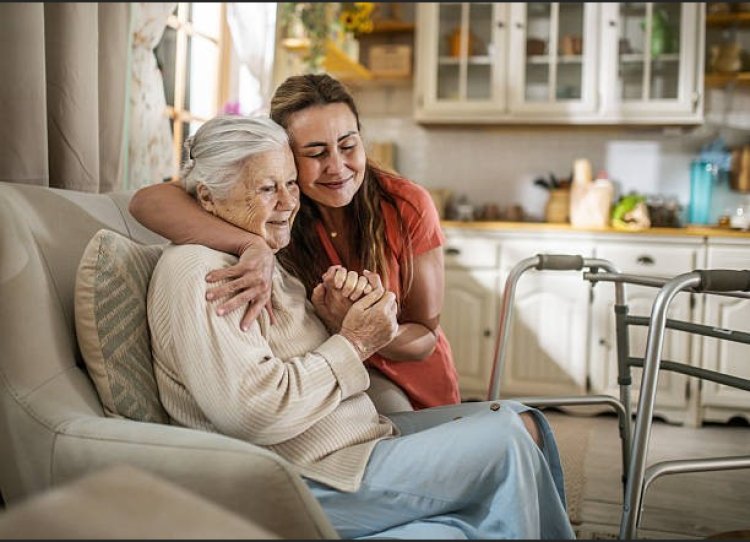
Aging at home can feel comforting in a way nothing else can. It is where routines live, where memories sit quietly in every corner, and where life feels familiar. But even the most familiar spaces can become harder to manage over time.
A loose rug, dim lighting, or a cluttered walkway may not seem like much, but for an older adult, these small things can quickly turn into real risks.
This is where a home safety checklist becomes helpful. It allows families to walk through each room with intention and make simple, thoughtful changes that support safety without taking away comfort.
Home Safety Checklist: Room-by-Room Guide for Aging at Home
The goal is not to change the home completely. It is to make it easier to move through, easier to use, and easier to feel safe every day.
-
Entryway and Hallways
The entryway should feel steady, open, and easy to move through. Even small adjustments here can prevent early risks.
-
Keep walkways outside smooth and free from cracks or clutter
-
Add sturdy handrails if there are steps
-
Use bright lighting near the door for visibility at night
-
Remove loose rugs that can slide underfoot
-
Avoid piling shoes or bags in walking paths
-
Place a chair or bench for safe sitting while putting on shoes
-
Keep hallways clear of furniture or decor
-
Add nightlights for safe movement during the night
-
Living Room
The living room should support both comfort and safe movement throughout the day.
-
Arrange furniture to create wide, clear walking paths
-
Avoid sharp-edged tables in tight areas
-
Choose chairs and sofas that are easy to sit and stand from
-
Secure or remove rugs that shift easily
-
Tuck away cords from lamps and electronics
-
Use proper lighting for reading and daily activities
This space also supports emotional well-being. A safe environment makes companionship care more natural, allowing time together to feel relaxed instead of cautious.
-
Kitchen
The kitchen should make daily tasks feel manageable, not overwhelming.
-
Store frequently used items within easy reach
-
Avoid placing essentials on high or very low shelves
-
Keep countertops organized and clutter-free
-
Ensure stove controls are easy to read and use
-
Keep flammable items away from cooking areas
-
Install or check smoke detectors nearby
-
Use labeled containers for easy identification
-
Keep floors dry to prevent slipping
Simple organization here builds confidence and helps maintain independence.
-
Bathroom
The bathroom is one of the most important parts of any home safety checklist, as slips can happen quickly.
-
Install grab bars near the toilet and inside the shower
-
Use non-slip mats inside and outside the bathing area
-
Add a shower chair for better stability
-
Use a handheld showerhead for easier use
-
Keep toiletries within easy reach
-
Improve lighting, especially for nighttime use
-
Consider a raised toilet seat if needed
These small changes can turn a high-risk space into a much safer one.
-
Bedroom
A bedroom should feel calm, but it also needs to support safe movement at all times.
-
Ensure the bed height allows easy sitting and standing
-
Keep a lamp, phone, and water within reach
-
Add nightlights between the bed and bathroom
-
Keep floors clear of clothes or other items
-
Store daily clothing in easy-to-reach spaces
-
Use non-slip footwear instead of loose socks
Comfort and safety should always work together here.
-
Laundry Area and Stairs
These spaces are often overlooked, but they can carry hidden risks.
-
Keep laundry supplies easy to lift and access
-
Avoid carrying heavy loads up and down stairs
-
Make sure stair handrails are secure
-
Use strong lighting along all steps
-
Ensure stair surfaces are not slippery
-
Add contrast strips on steps for better visibility
How Home Safety Supports Daily Care and Independence
A well-planned home safety checklist does more than prevent accidents. It creates an environment where daily life feels easier, smoother, and less stressful for everyone involved.
For seniors: small changes like better lighting, safer bathrooms, and organized spaces can make everyday tasks feel more manageable. This helps them stay independent longer without feeling like they need constant help.
For families: a safer home naturally improves care management. When risks are reduced, it becomes easier to focus on routines, health needs, and overall well-being instead of reacting to avoidable issues.
It also plays a role in caregiver scheduling. When the home is set up properly, caregivers can spend more time on meaningful support rather than handling preventable challenges. Tasks become more predictable, and care feels less rushed.
Over time, these changes quietly shape real-life caregiving stories. The kind where small efforts, like adding a grab bar or improving lighting, make a noticeable difference in comfort, confidence, and peace of mind.
Conclusion
A safe home does not mean changing everything. It means noticing the little things that make daily life easier and more comfortable over time. A thoughtful home safety checklist helps you see what truly matters, not just big changes, but the small details that support everyday living.
When each room supports movement, comfort, and confidence, it allows someone to continue living in a place that feels truly their own. It gives families peace of mind, knowing that the space itself is working with them, not against them.
And sometimes, the smallest changes carry the most care.
FAQs
Are safety upgrades expensive?
Not always. Many effective changes, like non-slip mats or better lighting, are affordable and simple to install.
What signs show a home needs safety updates?
Frequent stumbling, difficulty reaching items, poor lighting, or increased fatigue during daily tasks are all signs that changes may be needed.
Why is care management important for aging at home?
Strong care management helps families stay organized, track changes in needs, and make timely updates to the home environment. It ensures safety adjustments are not delayed or overlooked.
How do small home changes become part of caregiving stories?
Many caregiving stories are built around small, thoughtful actions. Something as simple as rearranging a room or adding better lighting can improve daily life and create a safer, more supportive home experience.