Can Laser Tattoo Removal be Done in One Session?
 DYNAMIC Clinic
Share this Post to earn Money ( Upto ₹100 per 1000 Views )

Tattoos are often personal expressions, but not all tattoos remain meaningful or desirable forever. Whether it’s due to lifestyle changes, aesthetic preferences, or professional requirements, many people choose to undergo Laser Tattoo Removal in Dubai. This advanced cosmetic treatment is a safe and effective method to break down ink pigments using laser technology. One of the most common questions asked is whether laser tattoo removal can be completed in just a single session. Understanding the science behind this procedure helps set realistic expectations for anyone considering tattoo removal.
How Laser Tattoo Removal Works
The Basics of Laser Technology
Laser tattoo removal uses highly concentrated beams of light to penetrate the skin and target ink pigments. These light pulses shatter the ink into tiny particles, which are then naturally eliminated by the body’s lymphatic system over time. The technology is precise and can be adjusted based on tattoo color, size, and skin type.
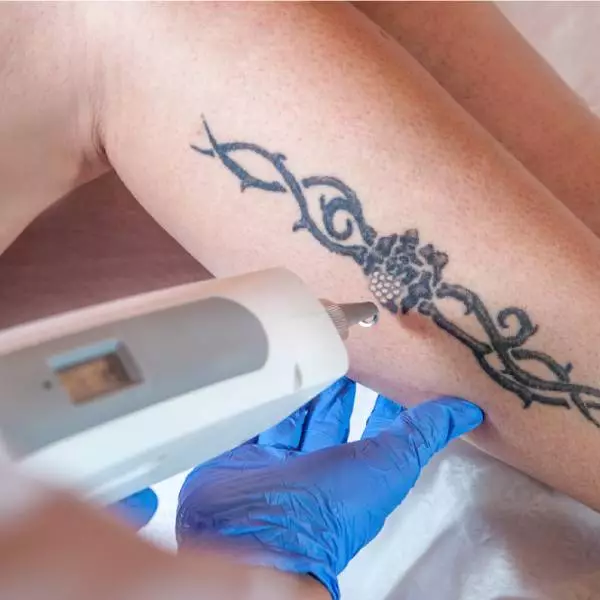
Targeting Pigments Safely
Different wavelengths are used to target specific colors. For example, black ink absorbs all laser wavelengths and is the easiest to remove, while colors like green and blue require specialized lasers. The surrounding skin remains largely unaffected, making the process relatively safe when performed by trained professionals.
Factors Influencing Tattoo Removal Success
Tattoo Age and Ink Depth
Older tattoos typically fade more easily than newer ones because the ink has already broken down over time. Tattoos that were applied deeply into the dermis might require more laser energy and multiple sessions to fully treat.
Tattoo Size and Location
Larger tattoos take longer to remove due to the amount of ink spread over a wider surface area. Additionally, tattoos on areas with less blood circulation, like hands or feet, may take more time to heal between sessions, which can delay the overall process.
Ink Color and Composition
Color plays a major role in determining how many sessions are needed. Black and dark blue inks respond well to lasers, while lighter colors like yellow, green, and pastel shades are more resistant. Additionally, some inks contain metallic compounds, which can affect how they break down.
Skin Type and Healing Response
Skin tone and individual healing ability can impact treatment outcomes. Darker skin tones require specific laser settings to avoid hyperpigmentation, while individuals with strong immune systems may process and clear the fragmented ink more efficiently.
Can It Be Done in One Session?
The Short Answer: Rarely
In most cases, laser tattoo removal cannot be completed in a single session. Although the laser begins breaking down ink during the first treatment, the body needs time to flush out the pigment particles. This process is gradual and can take weeks to months.
What a Single Session Can Achieve
A single session may significantly lighten a tattoo or remove superficial layers of ink, especially for very small or faint tattoos. However, complete removal is unlikely. It is possible for patients to see results after just one session, but those results are typically partial and not final.
Special Cases and Exceptions
There are rare instances where tattoos fade substantially after one treatment—typically when they were poorly applied, very light, or already significantly faded due to age or sun exposure. However, these cases are exceptions rather than the norm.
The Standard Treatment Protocol
Multiple Sessions for Optimal Results
Tattoo removal usually requires 6 to 10 sessions spaced several weeks apart. Each session builds on the progress of the last, gradually reducing the visibility of the tattoo. The intervals between sessions allow the body enough time to process and eliminate the ink particles.
Time Between Sessions Matters
Spacing treatments four to eight weeks apart is common practice. Shortening this interval may not improve results and could increase the risk of scarring or incomplete ink breakdown. Patience and consistency yield the best long-term outcomes.
Risks of Trying to Remove Tattoos in One Session
Increased Risk of Skin Damage
Using overly aggressive laser settings in hopes of achieving full removal in one session can lead to serious side effects such as burns, scarring, and skin discoloration. Responsible practitioners will avoid this approach to protect skin health.
Unsatisfactory Results
Attempting to rush the process can result in uneven fading, residual ghosting (a shadow of the original tattoo), or partial removal that’s more difficult to correct in subsequent sessions.
The Role of Realistic Expectations
Educating Yourself Before Treatment
Understanding that complete tattoo removal is a process helps prevent disappointment. While the technology is effective, it works gradually and often requires a customized approach depending on the complexity of the tattoo.
Consultation and Personalized Plan
A thorough consultation with a laser technician or dermatologist can help set achievable goals. They will evaluate your tattoo and skin type, discuss the number of sessions likely needed, and outline a safe treatment plan.
Conclusion
Laser tattoo removal is a proven and effective way to eliminate unwanted ink, but expecting full results after just one session is usually unrealistic. The process depends on numerous factors including tattoo size, ink color, and skin type. While you may notice some fading after the first treatment, optimal results typically require multiple carefully spaced sessions. Trusting the process, maintaining proper aftercare, and working with experienced professionals are key to a safe and successful outcome.