Calming Music for Sleep vs White Noise: Which Works Better?
Learn the difference between calming music for sleep and white noise, including benefits, sleep science, and which option works better.
 Music Medicine
Share this Post to earn Money ( Upto ₹100 per 1000 Views )
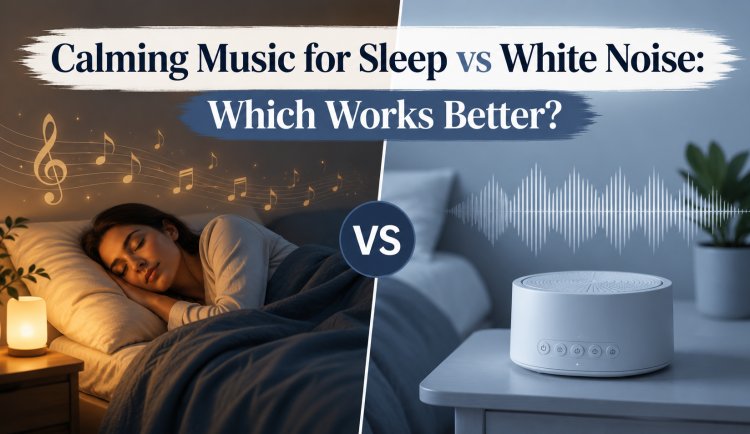
Falling asleep should feel natural, yet millions of people struggle with racing thoughts, stress, noisy environments, and restless nights. That is why sleep sounds have become a popular bedtime solution. Some people rely on calming music for sleep, while others prefer the steady hum of white noise. But which one actually works better?
The answer is not entirely simple because sleep preferences vary from person to person. However, scientific research and user experiences reveal important differences between calming sleep music and white noise. Understanding how each affects the brain can help you build a healthier nighttime routine and improve sleep quality naturally.
Why Sound Matters for Sleep
The human brain remains active even during sleep. Sudden sounds like traffic, barking dogs, or notifications can interrupt sleep cycles and prevent deep rest. Relaxing audio helps reduce these disruptions while also calming the nervous system.
Research suggests that listening to relaxing music before bed may reduce stress hormones, slow heart rate, and improve overall sleep quality.
At the same time, white noise is widely used to mask environmental disturbances and create a consistent sound environment that supports uninterrupted sleep.
Both approaches can be effective, but they work in very different ways.
What Is Calming Music for Sleep?
Calming music for sleep usually includes soft melodies, gentle instrumentals, ambient sounds, nature-inspired tones, or slow rhythms. These sounds are designed to relax the body and quiet mental activity before bedtime.
Sleep researchers often recommend music with:
-
Slow tempos between 60–80 beats per minute
-
Minimal lyrical content
-
Soft instrumental arrangements
-
Predictable rhythms
-
Low-frequency soothing tones
Studies have shown that relaxing music can help people fall asleep faster and experience better sleep quality over time.
Unlike random background audio, sleep-focused music actively influences emotional and physiological relaxation.
How Calming Music Helps the Brain
Music affects multiple areas of the brain connected to emotion, stress, memory, and relaxation. When you listen to soothing music before sleep, the body often responds by:
-
Lowering cortisol levels
-
Reducing anxiety
-
Slowing breathing patterns
-
Decreasing heart rate
-
Creating a feeling of emotional comfort
According to sleep research, music may also stimulate dopamine release, which contributes to relaxation and positive mood before bedtime.
This emotional connection is one major reason why calming music for sleep works well for people dealing with stress, overthinking, or bedtime anxiety.
What Is White Noise?
White noise is a consistent sound containing all audible frequencies played at equal intensity. Many people describe it as similar to:
-
Fan sounds
-
Air conditioner hums
-
Static noise
-
Rain-like audio
-
Machine hums
The purpose of white noise is not emotional relaxation. Instead, it masks sudden environmental sounds that may disturb sleep.
For example, if you live near traffic, noisy neighbors, or unpredictable household sounds, white noise creates a stable audio layer that prevents sudden noises from waking the brain.
Research reviews suggest white noise may help improve sleep continuity and reduce nighttime awakenings in noisy environments.
How White Noise Works Differently
White noise does not necessarily calm emotions the way music does. Instead, it helps the brain ignore external disruptions.
Imagine sleeping in a completely silent room when suddenly a car horn sounds outside. The sudden contrast triggers alertness. White noise reduces that contrast by maintaining a constant sound background.
This makes white noise especially helpful for:
-
Light sleepers
-
City residents
-
Shift workers
-
People are sensitive to unpredictable sounds
-
Parents with noisy households
Community discussions online also show that many users prefer pink noise or brown noise because they feel softer and less harsh than pure white noise.
Calming Music for Sleep vs White Noise: Key Differences
Although both calming music and white noise can improve sleep quality, they work in completely different ways.
Calming music for sleep mainly focuses on emotional relaxation. Soft melodies, gentle instrumentals, and ambient tones help reduce stress, calm racing thoughts, and prepare the mind for rest. This type of audio is especially useful for people who struggle with anxiety, overthinking, or difficulty unwinding before bed.
White noise, on the other hand, works by masking background disturbances. It creates a constant layer of sound that reduces the impact of sudden noises like traffic, conversations, or barking dogs. Instead of emotionally soothing the listener, white noise helps the brain stay less reactive to environmental interruptions.
Another major difference is the listening experience itself. Sleep music often feels warm, calming, and emotionally comforting because it includes rhythm and melody. White noise tends to sound more mechanical or static-like, which some people find helpful while others consider it less relaxing.
Calming music for sleep is generally more effective for improving bedtime relaxation and helping users fall asleep naturally. White noise is often better for maintaining uninterrupted sleep in noisy environments.
Ultimately, both options serve different purposes, and the best choice depends on individual sleep habits, stress levels, and surroundings.
Which One Works Better Scientifically?
Current research does not declare one universal winner because sleep quality depends heavily on personal circumstances.
However, research consistently shows that calming music for sleep has stronger emotional and psychological benefits. It may help people:
-
Fall asleep faster
-
Feel calmer before bed
-
Experience improved sleep satisfaction
-
Reduce bedtime stress
Several studies have reported improved subjective sleep quality among participants listening to relaxing music before sleep.
White noise, meanwhile, appears more effective for reducing disturbances caused by external sounds. Evidence supports its usefulness in noisy sleep environments, though findings remain somewhat mixed depending on study design and sound type.
In simple terms:
-
If stress keeps you awake, calming music may work better.
-
If environmental noise keeps waking you up, white noise may be more effective.
Why Many People Prefer Sleep Music
One important advantage of calming music for sleep is emotional connection. Music feels more natural and comforting than mechanical static for many listeners.
Online sleep communities often mention that instrumental music, rain sounds, and ambient tones feel less harsh compared to white noise.
Music can also become part of a bedtime ritual. When the brain repeatedly associates certain sounds with relaxation and rest, it begins responding more quickly over time.
This conditioning effect may strengthen healthy sleep habits naturally.
The Rise of Personalized Sleep Audio
Modern sleep apps are making personalized audio experiences more accessible. Instead of choosing between only music or white noise, many users now combine:
-
Ambient music
-
Nature sounds
-
Rainfall
-
Brown noise
-
Guided relaxation
-
Meditation audio
One useful option for people exploring calming music for sleep is the Music Medicine app. The app provides relaxing sound experiences designed to support stress relief, mindfulness, and better nighttime relaxation.
Because sleep preferences vary widely, experimenting with different audio styles is often the best approach.
Is There Any Downside to White Noise?
White noise is generally considered safe at moderate volume levels, but there are a few potential drawbacks.
Some people report that white noise:
-
Feels too artificial
-
Becomes mentally tiring over time
-
Creates dependence for sleep
-
Sounds overly sharp or harsh
Experts also recommend keeping volume levels low to avoid possible hearing strain during extended use.
Additionally, some studies suggest pink noise or brown noise may feel more soothing than white noise because they contain softer frequency balances.
Can You Combine Both?
Yes, and many people do.
A growing number of sleep audio tracks combine calming music for sleep with background ambient noise such as rain, ocean waves, or soft brown noise.
This hybrid approach may offer both:
-
Emotional relaxation from music
-
Sound masking from ambient noise
For example, gentle piano music layered with rainfall can simultaneously calm the nervous system and block disruptive external sounds.
Many sleep experts recommend experimenting rather than following one strict method.
Tips for Using Sleep Sounds Effectively
Whether you choose music or white noise, a few habits can improve results:
Keep Volume Low
Sleep sounds should be calming, not stimulating. Loud audio may disrupt deep sleep stages.
Avoid Lyrics
Songs with strong vocals can keep the brain mentally active.
Use Timers
Auto shut-off timers help prevent all-night sound dependence.
Build Consistency
Using the same relaxing sounds nightly helps train the brain for sleep.
Pair Audio With Sleep Hygiene
Good sleep still depends on:
-
Reduced screen time
-
Consistent bedtime schedules
-
Comfortable room temperature
-
Limited caffeine at night
No sleep sound can fully replace healthy bedtime habits.
So, Which One Should You Choose?
The better option depends on your sleep challenge.
Choose calming music for sleep if you:
-
Feel anxious at bedtime
-
Struggle with racing thoughts
-
Want emotional relaxation
-
Prefer soothing, natural audio
Choose white noise if you:
-
Sleep in noisy environments
-
Wake easily from sudden sounds
-
Need consistent background masking
-
Prefer simple ambient sound
For many people, the ideal solution is actually a mix of both.
Sleep is deeply personal, and the best audio is the one that helps your body feel safe, calm, and relaxed enough to rest naturally.
Final Thoughts
The debate between calming music for sleep and white noise is not about finding a universal winner. Instead, it is about understanding how different sounds affect the brain and identifying what supports your own sleep patterns best.
Scientific research continues to show promising benefits for both approaches. Relaxing music appears especially powerful for emotional calming and stress reduction, while white noise excels at masking disruptive environments.
If you are struggling with poor sleep, experimenting with soothing nighttime audio may be a simple and natural first step toward better rest.