Building a Stronger Workplace Culture Through Better Performance Conversations
Modern performance reviews are shifting away from rigid, manager-only annual evaluations toward continuous, multi-source feedback systems (like 360-degree reviews) to capture a more holistic view of employee collaboration and impact. When implemented with a focus on growth, confidentiality, and action, this multi-perspective approach uncovers hidden leadership potential, improves self-awareness, and fosters a healthier, more collaborative workplace culture.
 Saqib Haleem Abbasi
Share this Post to earn Money ( Upto ₹100 per 1000 Views )
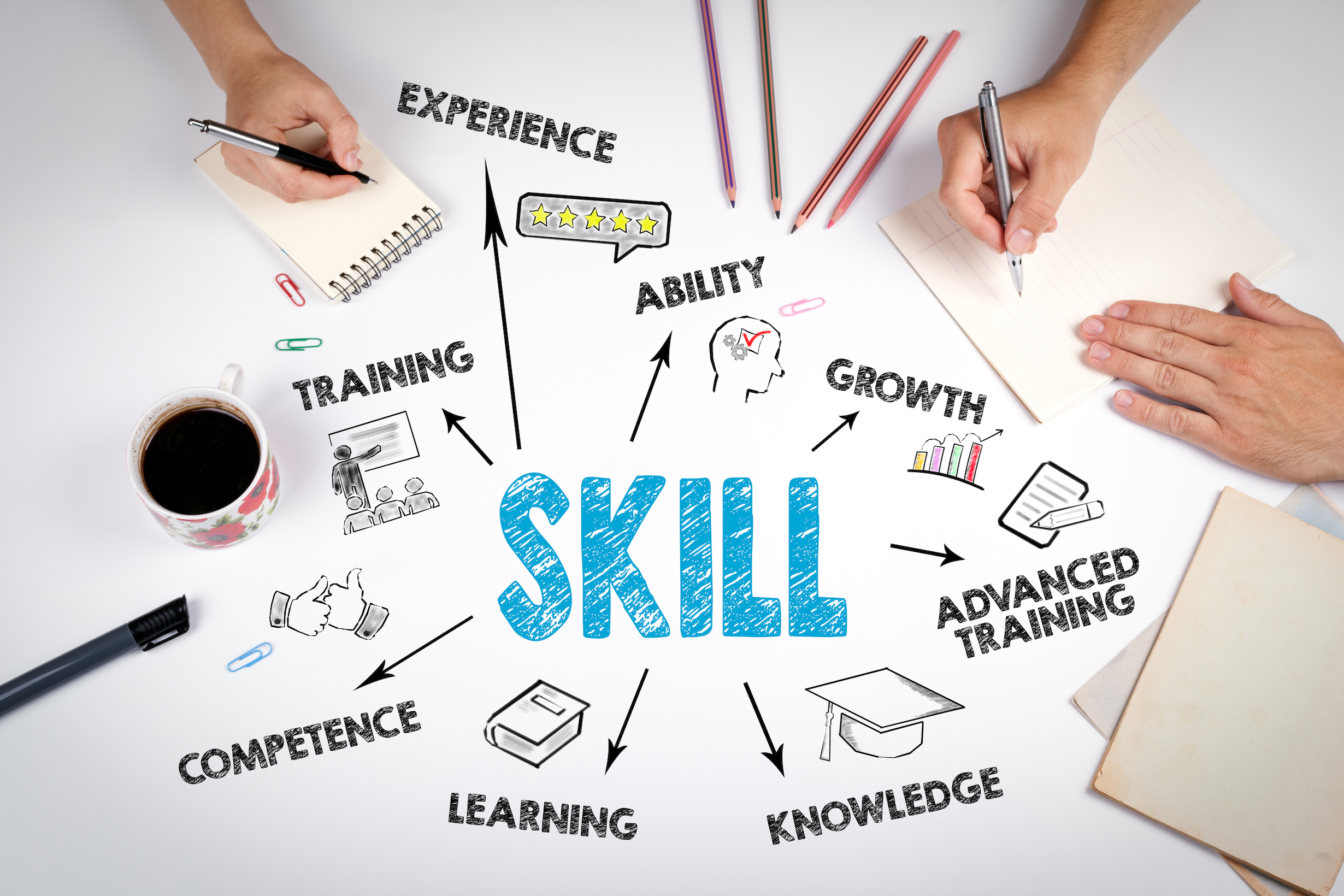
Workplace performance discussions have evolved significantly over the years. Companies are moving away from rigid annual evaluations and toward more continuous, people-focused development systems. Employees today want meaningful feedback, growth opportunities, and clearer communication about expectations.
At the same time, managers need better ways to understand how employees collaborate, lead, and contribute beyond surface-level metrics. This shift has made multi-source feedback systems increasingly valuable for organizations of all sizes.
One of the most effective approaches involves gathering perspectives from multiple professional relationships instead of relying on a single evaluator.
Why Single-Perspective Reviews Can Be Limiting
Traditional reviews often focus heavily on the manager’s viewpoint. While managers can evaluate goals and performance outcomes, they may not fully see how employees interact with peers, support team members, or influence workplace dynamics.
For example, an employee may consistently hit project deadlines while struggling with communication or collaboration. Another employee might quietly serve as a dependable mentor and problem-solver without receiving recognition because their contributions are less visible to leadership.
When feedback comes from several sources, organizations gain a more balanced understanding of employee performance and behavior.
The Growing Importance of Holistic Feedback
Modern workplaces depend heavily on collaboration. Teams frequently work across departments, time zones, and communication platforms. Because of this, interpersonal effectiveness matters just as much as technical ability in many roles.
A broader feedback process can help uncover strengths and improvement areas related to:
-
Communication
-
Leadership potential
-
Adaptability
-
Accountability
-
Teamwork
-
Emotional intelligence
-
Conflict resolution
-
Coaching and mentorship
Employees who receive feedback from multiple perspectives often gain insights that would otherwise remain hidden.
How Multi-Source Feedback Supports Employee Growth
Employees generally want to improve when they understand what improvement actually looks like. Clear, constructive feedback creates opportunities for self-awareness and professional development.
The most effective systems do more than simply collect ratings. They help employees interpret feedback patterns and turn them into realistic action plans.
For instance, someone who consistently receives praise for problem-solving but lower scores in delegation may benefit from leadership coaching. Another employee who excels in collaboration but struggles with time management can focus development efforts in a more targeted way.
Organizations looking to modernize evaluation processes often explore tools and systems designed specifically for structured feedback collection and analysis, including approaches built around the concept of a 360 degree review.
Encouraging More Honest and Useful Responses
The quality of feedback depends heavily on the environment in which it is collected. Employees are far more likely to provide honest input when they trust the process.
Several factors contribute to better participation:
Confidentiality
Participants should feel confident that their responses will not create unnecessary conflict or retaliation.
Simplicity
Long, overly complicated questionnaires often reduce response quality. Surveys should be focused and easy to complete.
Relevant Questions
Feedback should align with actual workplace competencies instead of generic personality judgments.
Development Focus
Employees are more receptive when feedback is positioned as a growth opportunity rather than a disciplinary tool.
When organizations handle the process thoughtfully, employees are more likely to engage constructively.
Leadership Development Benefits
One of the strongest advantages of multi-source feedback is its role in leadership development. Leaders influence morale, retention, communication, and organizational culture in substantial ways.
Managers often receive less direct feedback than other employees because team members may hesitate to speak openly in traditional review structures. A broader evaluation process creates opportunities to identify blind spots and improve leadership effectiveness.
This can be especially valuable for:
-
New managers
-
High-potential employees
-
Executive development programs
-
Succession planning initiatives
-
Team restructuring efforts
Leadership growth becomes more effective when supported by detailed, behavior-based feedback instead of assumptions.
Creating a Continuous Feedback Culture
Organizations that prioritize ongoing feedback often experience stronger engagement and clearer communication. Employees who regularly receive actionable guidance tend to adapt more quickly and feel more connected to organizational goals.
A healthy feedback culture encourages:
-
Open communication
-
Shared accountability
-
Better collaboration
-
Faster problem-solving
-
Higher employee engagement
-
Improved trust between teams
Importantly, feedback should not exist only during formal review periods. Informal coaching conversations throughout the year reinforce development and reduce anxiety around evaluations.
Avoiding Common Implementation Mistakes
Even strong feedback systems can fail if organizations overlook key details.
One common mistake is overwhelming employees with too many competencies or lengthy surveys. Another issue occurs when organizations collect feedback but fail to support follow-up development afterward.
Employees may become disengaged if feedback feels performative rather than actionable.
Companies should also avoid using multi-source reviews as the sole basis for compensation or disciplinary decisions. The process works best when focused on growth, coaching, and long-term improvement.
Conclusion
Effective workplace feedback should provide clarity, encourage growth, and strengthen collaboration across teams. Multi-source evaluation systems help organizations move beyond limited perspectives and create more balanced conversations around performance and development.
When implemented thoughtfully, these systems can improve leadership effectiveness, employee engagement, and overall workplace culture. Most importantly, they help employees better understand how their actions impact the people they work with every day