Bacteriostatic Water for Injection: Uses, Safety, and FAQs
 bacteriostaticwaterusa
 Share this Post to earn Money ( Upto ₹100 per 1000 Views )
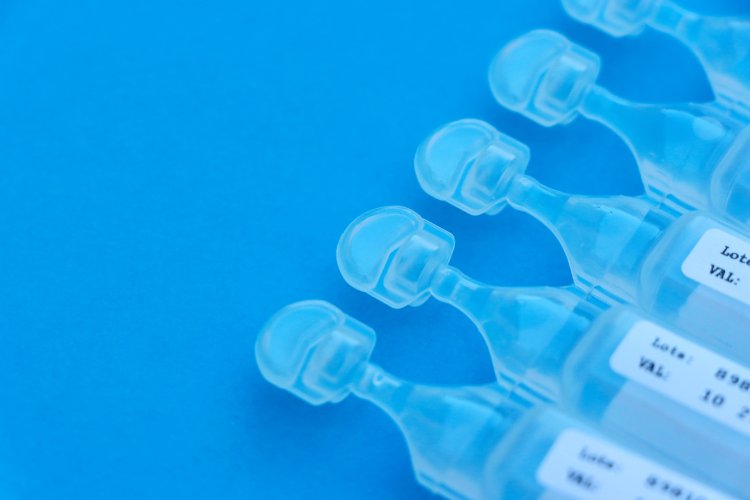
Bacteriostatic Water for Injection is a sterile diluent used in specific medical applications to help prepare certain injectable medications. Unlike plain sterile water, it contains a preservative that helps inhibit the growth of microorganisms after the container has been entered, depending on the product and its labeling. Because injectable medications have different compatibility and administration requirements, bacteriostatic water should only be used when the medication’s instructions specifically permit it.
What Is Bacteriostatic Water for Injection?
Bacteriostatic Water for Injection is sterile water intended for use as a diluent or solvent for compatible injectable medications. It commonly contains benzyl alcohol as a bacteriostatic preservative. The preservative distinguishes it from Sterile Water for Injection, which does not contain a bacteriostatic preservative.
The product itself is not a medication used to treat a medical condition. Instead, it may serve a supporting role when preparing certain injectable drugs under appropriate medical supervision.
What Is Bacteriostatic Water for Injection Used For?
The primary purpose of Bacteriostatic Water for Injection is to act as a diluent for medications that are supplied in a form requiring preparation before administration. However, not every injectable medication is compatible with bacteriostatic water.
Healthcare professionals generally determine which diluent is appropriate by reviewing the medication's prescribing information, compatibility requirements, concentration, storage conditions, and intended route of administration. Following the manufacturer's instructions is essential because using an unsuitable diluent can affect the stability or safety of a medication.
Bacteriostatic Water vs. Sterile Water for Injection
A common question is how Bacteriostatic Water for Injection differs from sterile water. Both are sterile products, but their formulations are different.
Bacteriostatic water contains a preservative, commonly benzyl alcohol, whereas sterile water for injection generally does not. This difference can influence which product is appropriate for a particular medication or patient.
The two products should therefore not be considered automatically interchangeable. The medication's official labeling should always be consulted before selecting a diluent.
Why Is the Preservative Important?
The bacteriostatic preservative is included to help prevent the growth of microorganisms in the product after repeated withdrawals from a suitable multi-dose container, when used according to the product labeling.
However, the presence of a preservative does not mean that the product can be handled without proper precautions. Sterile technique, appropriate storage, and adherence to the manufacturer's instructions remain important when working with injectable products.
Safety Considerations for Bacteriostatic Water for Injection
Safety is an important consideration whenever injectable products are involved. Bacteriostatic Water for Injection should be used only for appropriate medical purposes and according to professional guidance and product labeling.
The preservative may also make bacteriostatic water unsuitable for certain patients or medications. In particular, products containing benzyl alcohol may have specific warnings or restrictions. Healthcare professionals should review the product information before use, particularly when treating infants or patients with known sensitivities.
Patients should not substitute bacteriostatic water for another diluent or determine compatibility on their own.
How Should Bacteriostatic Water for Injection Be Stored?
Storage requirements can vary by manufacturer and product. Users should follow the storage conditions stated on the product label or official prescribing information. The container should also be inspected before use for visible particles, discoloration, damage, or other abnormalities.
If the product appears compromised or has been stored incorrectly, it should not be used until its suitability has been confirmed by an appropriate healthcare professional.
Frequently Asked Questions About Bacteriostatic Water for Injection
1. What is Bacteriostatic Water for Injection?
Bacteriostatic Water for Injection is sterile water containing a bacteriostatic preservative, commonly benzyl alcohol. It is used as a diluent for certain compatible injectable medications.
2. Is Bacteriostatic Water the Same as Sterile Water for Injection?
No. Bacteriostatic water contains a preservative, while sterile water for injection generally does not. They have different labeling and uses and should not be substituted for one another without appropriate guidance.
3. Can Bacteriostatic Water for Injection be used with every medication?
No. Compatibility varies between medications. Always check the medication's official prescribing information or consult a qualified healthcare professional before selecting a diluent.
4. Why does Bacteriostatic Water contain benzyl alcohol?
Benzyl alcohol is commonly used as a bacteriostatic preservative to help inhibit microbial growth in appropriately labeled multi-dose products.
5. Is Bacteriostatic Water a medication?
No. It is a sterile diluent rather than a therapeutic medication. Its role is to help prepare certain injectable medications when its use is specifically indicated.
6. Is Bacteriostatic Water suitable for everyone?
Not necessarily. Certain preservatives, including benzyl alcohol, may present particular concerns for some patients. A healthcare professional should determine whether the product is appropriate.
7. Where can I learn more about Bacteriostatic Water for Injection?
Reliable information should come from the product's official labeling, manufacturer information, and qualified healthcare professionals. These sources provide the most relevant details about indications, compatibility, warnings, and storage.
Conclusion
Bacteriostatic Water for Injection is an important sterile diluent used with certain compatible injectable medications. Its preservative distinguishes it from preservative-free sterile water, making it important to select the correct product for each medical application. Understanding its purpose, formulation, safety considerations, and compatibility can help support appropriate use. For any injectable medication, always follow official product information and seek guidance from a qualified healthcare professional.