Are Camera Monitoring Services Better Than On-Site Guards?
Compare camera monitoring services vs. on-site guards to understand which offers better security, response time, and cost-efficiency for your property.
 Webseo Member
Share this Post to earn Money ( Upto ₹100 per 1000 Views )
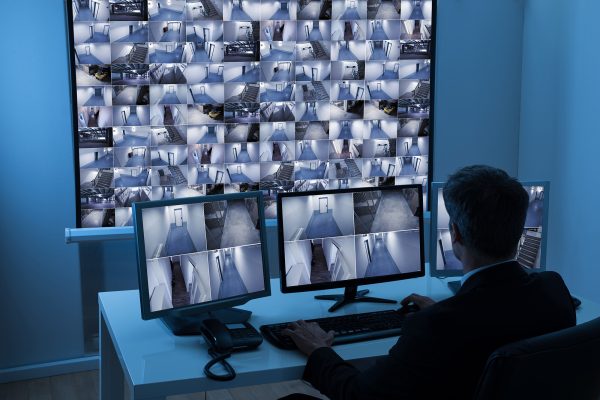
In today’s fast-changing security landscape, many property owners and business managers are asking a crucial question: Are camera monitoring services better than on-site guards? The answer depends on various factors, including the nature of the property, budget, response needs, and risk levels. With technology playing an increasingly larger role in how security is managed, camera-based surveillance has gained popularity—but does it really replace the human presence of trained guards? In this article, we’ll take an in-depth look at the pros and cons of both options to help you make the right decision. At Secure Scouting Inc, we believe in helping clients understand the differences so they can choose a solution that aligns with their security priorities.
Understanding the Two Approaches
Before comparing the two, it’s important to define what each service typically includes. A traditional on-site security guard is a trained individual stationed at your location, often working in shifts to provide around-the-clock surveillance. These guards perform physical patrols, control access points, respond to emergencies, and report incidents in real time.
Camera-based monitoring, on the other hand, involves surveillance through strategically placed video cameras connected to a central monitoring station. Operators at this station watch live feeds and respond to suspicious activity by alerting property owners, local authorities, or emergency responders. These services can be live 24/7 or set up to monitor only during specific hours, depending on client needs.
Cost Efficiency and Coverage
One of the biggest advantages of camera monitoring services is cost savings. Hiring full-time on-site guards can be expensive, especially when around-the-clock protection is needed. It often requires employing multiple guards in rotating shifts, plus covering benefits, uniforms, and liability insurance. Surveillance technology, by contrast, is a one-time investment with ongoing monitoring costs that are generally lower than staffing.
Furthermore, cameras can be placed in hard-to-reach or high-risk areas that may be unsafe or difficult for guards to monitor consistently. This allows for broader coverage, especially in large commercial spaces, parking lots, or warehouses. A well-designed system can offer visibility from multiple angles simultaneously—something that’s challenging to achieve with a limited number of personnel.
Response Time and Human Judgment
However, there are limitations to relying solely on camera feeds. While modern monitoring centers can quickly detect threats and alert authorities, they still rely on off-site communication. In some situations, having a physical presence on-site allows for immediate action—something that can be life-saving during an intrusion, fire, or medical emergency.
Trained guards can also exercise discretion and human judgment. They can detect behavioral cues that a camera operator might miss, especially when individuals are loitering, acting suspiciously, or attempting to bypass access points. Guards can de-escalate tense situations, engage directly with potential intruders, and provide a reassuring presence to employees and visitors.
In high-traffic environments like retail stores, event venues, or residential complexes, that human element cannot be overstated. On-site guards also handle duties like checking bags, issuing visitor passes, escorting individuals, or intervening in disputes—services that technology alone cannot provide.
Reliability and Maintenance
Technology has its own set of vulnerabilities. Cameras require regular maintenance to remain effective. They may suffer from blind spots, power outages, or software glitches. If a network goes down or cameras are tampered with, coverage is immediately compromised. In contrast, a trained guard is physically present and not affected by technical issues.
However, advanced systems now include fail-safes such as battery backup, motion sensors, and thermal imaging. Some systems can even use artificial intelligence to identify threats more accurately. That said, most security experts agree that no system should be completely independent of human oversight.
At Secure Scouting Inc, we recommend combining physical presence with technology for maximum reliability. Our experience shows that a hybrid approach often delivers better results, especially for high-risk or high-value properties.
Deterrence Value
The visual presence of an on-site guard is a powerful deterrent. Most criminals are less likely to target a location where they see uniformed personnel. They may try to avoid places where confrontation or immediate capture is more likely. In contrast, cameras—while visible—may not always discourage criminal activity if offenders believe the footage won’t lead to an immediate response.
However, signs that indicate live camera monitoring is in place can also discourage crime, especially when supported by real-time two-way communication features (such as warning speakers or flashing lights). Criminals tend to avoid areas where they know they’re being actively watched, regardless of whether it’s by a camera operator or a physical guard.
Situational Suitability
Whether you choose monitoring technology or on-site guards often depends on your specific needs. For example:
-
Remote sites or construction zones: Often benefit more from camera coverage due to cost and lack of infrastructure.
-
Office buildings or residential complexes: May require both concierge-style security and surveillance.
-
Retail stores: Can benefit from real-time monitoring of cameras along with floor patrols to handle theft or customer disputes.
-
Warehouses and logistics centers: Usually combine perimeter cameras with random physical patrols.
Secure Scouting Inc has helped hundreds of clients determine the right balance for their environment. Our goal is to minimize risk and maximize peace of mind by tailoring each solution.
Privacy and Compliance
Another consideration is privacy. Some industries and locations have strict regulations regarding how surveillance can be conducted. Constant camera monitoring may raise concerns among employees or tenants. Guards, on the other hand, offer flexibility by interacting only when needed and can often adjust their behavior based on the context or sensitivity of the environment.
Additionally, industries like healthcare, education, and banking must follow compliance laws when it comes to surveillance. On-site security may sometimes offer a more practical way to ensure safety without compromising personal privacy.
The Ideal Setup: A Hybrid Approach
Many organizations are choosing to combine both methods, creating a layered security approach. For example, cameras cover large perimeters and blind spots, while on-site guards handle interactions, patrols, and immediate incidents. This hybrid model delivers the benefits of both cost-efficiency and real-time human intervention.
Secure Scouting Inc specializes in designing these integrated systems. We evaluate your property, risks, and priorities before recommending a mix of personnel and technology. Whether you run a small office or a multi-location enterprise, our solutions can scale and adapt as your needs change.
Final Thoughts
So, are camera monitoring services better than on-site guards? The answer isn’t black and white. In some cases, camera systems offer unbeatable efficiency and cost savings. In others, the physical presence and human touch of a security guard are absolutely essential. Each option has strengths and limitations that must be considered based on the specific context of your property.
At Secure Scouting Inc, we believe that every security solution should be as unique as the client it protects. By carefully analyzing your needs, we help you choose the most effective protection strategy—whether that’s camera surveillance, on-site personnel, or a smart combination of both.