
Airport Outfit Data: What People in the US Actually Wear on Long Flights
Explore Airport Outfit Data, revealing what Americans really wear on long flights, with insights, trends, and smart comfort choices.
 tshirtandtowel
Share this Post to earn Money ( Upto ₹100 per 1000 Views )
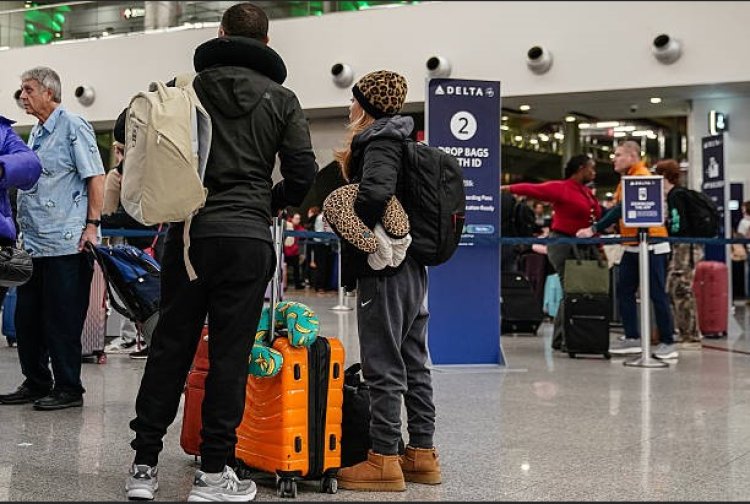
What used to be a throw-on-and-go airport look has become much more intentional. Today’s travelers are not just picking clothes that look good for a quick airport photo. They are choosing outfits that can handle long sitting hours, cold airplane cabins, security lines, terminal walks, and the need to look presentable after landing.
Airport outfit data shows a clear shift in how people dress for long flights in the US. Comfort still comes first, but style now plays a bigger role. Relaxed fits, breathable layers, neutral colors, soft fabrics, practical shoes, and small travel accessories all work together to create outfits that feel easy without looking careless.
Influencer culture may be shaping the look, especially among younger shoppers, but real-life travel needs still drive the final choice. This blog breaks down what people actually wear on long flights in the US and why these outfit choices have become the new standard for airport style.
What US People Actually Wear on Long Flights
-
Relaxed Fit Essentials
Recent airport outfit data from sources such as Travel + Leisure and Statista Fashion Insights shows that relaxed silhouettes dominate long-flight fashion and that people increasingly avoid restrictive clothing like skinny jeans. Interestingly, according to Statista, nearly 69% of US travelers plan their airport outfits for comfort. Most travelers prefer stretch-friendly pieces like hoodies, matching sets, wide-leg pants, oversized tops, and soft fabrics because they allow easier movement during long sitting hours.
Cotton-based apparel plays a strong role here, as consumer studies consistently show that 3 in 4 consumers prefer cotton t-shirts for comfort, breathability, and everyday usability.
People also actively choose garment-dyed tees. They are soft, pre-washed, and breathable, making them ideal for extended wear. This is where comfort-first basics, such as soft tees, hoodies, and towel-style layers, naturally fit into modern travel wardrobes. The idea is not just to feel good. It is to avoid stiffness and fatigue during long flights.
-
Layering Smartly Works
Airport environments are unpredictable. Temperature shifts between terminals, security lines, and cabins make layering a functional necessity rather than a style choice. Recent apparel market research shows that travelers are looking for lightweight, adaptable clothing that can handle warm terminals, cold cabins, and long sitting hours without feeling bulky.
Light hoodies, zip-ups, and garment-dyed tees are increasingly preferred because they offer flexibility without adding bulk. This reflects a broader shift in traveler behavior toward efficiency and adaptability. Instead of packing more, travelers are prioritizing pieces that perform across multiple environments. The focus is on comfort, temperature control, and reduced luggage friction.
What this means for shoppers: the best long-flight outfit usually starts with a breathable base layer, then adds a hoodie, zip-up, or light jacket that can be removed easily.
-
Accessories That Matter
Accessories have evolved from optional extras into functional components of travel wear. Consumer textile research indicates that comfort-driven items such as socks, headwear, and lightweight carry accessories are now closely tied to travel convenience and physical well-being.
Compression socks, for example, align with increased awareness of circulation and in-flight comfort. Crossbody bags support mobility and security, especially in crowded transit environments. A structured cap adds both practical and aesthetic value, helping travelers manage their appearance while also serving functional needs, such as light control during rest.
This shift shows that travelers are building complete systems around their outfits, where every item contributes to ease, comfort, and efficiency. Airport style is no longer just about clothing. It also includes the small items that make long flights easier, from compression socks to crossbody bags
-
Footwear Choices Shift
Footwear has become one of the most performance-driven elements of travel outfits. Airport outfit data shows a strong preference for comfort-engineered products, especially in categories linked to extended wear and mobility.
Slip-on sneakers and cushioned trainers align with this shift, offering ease during security checks and sustained comfort during long walks or extended periods of sitting. Travelers are moving away from restrictive or heavy footwear and prioritizing breathable materials, flexibility, and support.
This reflects a broader trend where travel decisions are increasingly influenced by ergonomics and time efficiency, not just appearance. For long flights, this usually means travelers avoid heavy boots, stiff dress shoes, and complicated footwear. Shoes that are easy to slip on and off, comfortable for walking, and supportive enough for delays tend to make the most sense.
-
Neutral Colors Dominate
Color choices in travel outfits are becoming more strategic. Consumer preferences across varied airport outfit data show that versatility and ease of coordination are key drivers of wardrobe decisions, especially in travel contexts.
According to Who What Wear, editors prefer neutral palettes such as black, beige, gray, and white to support mix-and-match styling, reduce visible wear, and transition easily across different settings. Neutral colors also help travelers look more put-together with less effort. Black, gray, beige, navy, and white pieces are easier to repeat, layer, and style after landing, which makes them practical for both airport wear and the rest of the trip.
Conclusion
Airport outfit data from varied sources shows that travel style today is all about smart comfort. Americans are choosing outfits that feel good, look clean, and serve a clear purpose. Breathable fabrics, relaxed fits, and easy layers now define how people dress for long flights.
This shift reflects a broader lifestyle change in which ease and efficiency matter more than ever. As travel habits keep changing, comfort-first airport outfits will likely remain the standard because they solve real problems: cold cabins, long sitting hours, security checks, and the need to look presentable after landing.
FAQs
Can airport outfits still look stylish without being uncomfortable?
Yes. A good airport outfit does not need to choose between comfort and style. The easiest way to balance both is to keep the outfit simple, soft, and coordinated. A clean color palette, relaxed fit, and one polished layer can make even basic travel clothes look intentional.
How can travelers avoid looking messy in relaxed airport outfits?
The key is fit and structure. Oversized pieces can still look polished when they are balanced with cleaner items, such as fitted joggers, a structured bag, neat sneakers, or a simple jacket. Wrinkle-prone fabrics and overly loose layers can make the outfit look careless instead of relaxed.
What makes an outfit practical after landing?
A practical post-flight outfit should be comfortable enough for the plane but presentable enough for errands, hotel check-in, pickup, or a casual meal after arrival. This is why many travelers choose clean basics, neutral colors, and layers that can be adjusted quickly.
Should travelers pack a bathroom towel for long flights?
A bathroom towel is not part of an airport outfit, but it can still be useful in a travel bag for long-haul trips, hotel stays, road connections, or post-flight freshening up. A soft, lightweight towel can help travelers feel more prepared without taking up too much space.
















