What Happens If You Choose the Wrong Dumpster Size?
 Edward Thornley
Share this Post to earn Money ( Upto ₹100 per 1000 Views )
When it comes to managing waste efficiently during a cleanup, renovation, or construction project, choosing the right dumpster size can make or break your workflow. Roll off dumpster sizes are not one-size-fits-all, and selecting the wrong one can lead to unexpected costs, project delays, or logistical headaches. Understanding your size options and how they match your project needs is essential to avoid common and costly mistakes. It’s not just about capacity—it’s about matching size to scope, frequency of waste generation, and site logistics. The more accurate your estimate, the smoother your project will run from start to finish.
Understanding Roll Off Dumpster Sizes
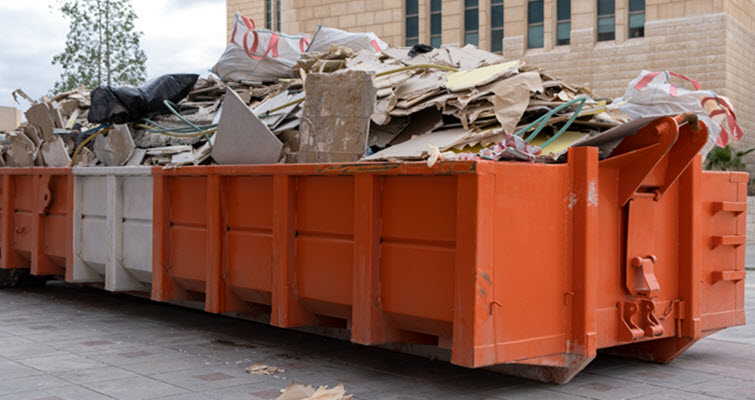
Roll off dumpsters come in various sizes, typically ranging from 10-yard to 40-yard containers. Each size is suited for specific types of jobs. A 10-yard dumpster, for example, is ideal for small home cleanouts, while a 30 or 40-yard option is better suited for large-scale construction debris. These dumpsters are called roll off because they’re delivered and picked up using a specialized roll-off truck. Understanding these standard roll off dumpster sizes helps ensure you’re not stuck with too little space or paying for more than you need. Choosing the right size upfront can significantly improve disposal efficiency and reduce jobsite clutter.
Consequences of Choosing a Dumpster That’s Too Small
Selecting a dumpster that’s too small can be a major setback. If your container fills up faster than expected, you may have to schedule an additional pickup or rent another dumpster altogether. This not only increases your total cost but can also delay your project as you wait for the next unit to arrive. Overflowing dumpsters may also result in safety hazards or fines if local regulations are violated. Choosing too small a dumpster may seem like a cost-saving move initially, but it often leads to higher expenses and wasted time. It can also frustrate contractors or homeowners who rely on a clean, organized work area.
Risks of Renting a Dumpster That’s Too Large
On the flip side, going with a dumpster that’s too large for your needs can be equally problematic. Larger dumpsters come with higher rental costs and may take up more space than your site allows. If you’re working in a residential area or a tight job site, an oversized dumpster could cause placement issues or require special permits. Additionally, if you don’t fill the dumpster, you’re essentially paying for empty space—a poor use of your budget. Oversizing also increases the risk of unnecessary environmental impact from transporting unused capacity. Plus, larger units may obstruct access or limit mobility around your work zone.
How to Choose the Right Roll Off Dumpster Size
Selecting the appropriate dumpster size starts with accurately estimating the volume of waste your project will generate. Think about the type of materials you’ll be disposing of—heavy debris like concrete and roofing shingles require smaller but weight-appropriate dumpsters, while bulky household items or demolition waste might need a larger container. Most dumpster rental companies offer detailed guides or phone support to help you match your project to the right size. Using these resources ensures you avoid overpaying or underestimating your disposal needs.
A reliable approach is to review the scope of your project and compare it to standard sizing. For example, small garage cleanouts or single-room remodels typically align with 10- or 15-yard dumpsters, while full home renovations or construction jobs often require 30- or 40-yard roll offs. When in doubt, always consult with your rental provider—they have experience estimating size needs for all kinds of jobs and can help you make an informed decision.
Real-Life Scenarios: Right vs. Wrong Dumpster Size
Imagine a homeowner planning a kitchen renovation who rents a 10-yard dumpster to save money. Midway through the project, they realize the space is full, requiring a second rental. Now, they’ve spent more money than if they had just gone with a 20-yard unit from the start. In contrast, a contractor handling a roofing project chooses a 20-yard dumpster—perfect for heavy shingles within legal weight limits. The job stays on schedule, and there are no extra fees. These examples show how critical it is to match roll off dumpster sizes to your specific workload.
Final Tips to Avoid Mistakes
Before renting, walk through your project step-by-step and try to visualize the debris you'll generate. If you’re uncertain, overestimating slightly is safer than underestimating—especially when weight limits are involved. Also, ensure you understand local regulations, driveway space, and permit needs, particularly for larger dumpsters. Talk openly with your rental provider and take advantage of their expertise; their guidance could save you time, money, and frustration.
Conclusion
Choosing the wrong dumpster size can lead to unexpected delays, extra fees, and project inefficiencies. Whether it's too small to hold your debris or too large for your space, the impact on your timeline and budget is real. By understanding common roll off dumpster sizes and consulting with a reliable rental provider, you can avoid these issues and keep your cleanup or construction on track. If you're in Durham and need expert advice on selecting the right dumpster, call us today at (614) 350-5475. Our team is ready to help you pick the perfect size for your project.
Frequently Asked Questions
What are the most common roll off dumpster sizes?
The most commonly rented roll off dumpsters are 10-yard, 15-yard, 20-yard, 30-yard, and 40-yard containers. Each serves different types of projects, from minor cleanouts to major construction.
Can I change my dumpster size after booking?
It depends on availability, but many providers in Durham allow size changes if notified early. However, last-minute changes may lead to rescheduling or additional fees.
What happens if I overfill my dumpster?
Overfilling can result in extra charges or the refusal of pickup. Always stay within the fill line and weight limits set by your rental provider.
How do I estimate the right dumpster size for my project?
Consider your project type, debris volume, and material weight. For example, home cleanouts typically need 10-20 yard dumpsters, while construction debris might need 30-40 yard sizes. You can also call (614) 350-5475 for a free consultation in Durham.
Is it cheaper to rent a smaller dumpster?
Not always. Renting a dumpster that's too small often leads to needing a second one, which can cost more than getting the right size the first time. It's more cost-effective to get it right upfront.
Let me know when you're ready for the conclusion and F