Surgeons' Tools and Surgical Instruments
 GreyMed
Share this Post to earn Money ( Upto ₹100 per 1000 Views )
Surgical procedures are the backbone of healthcare, saving countless lives daily and improving quality of life for many. At the heart of every successful surgery lies an array of precision-engineered tools and instruments. These surgeons tools meticulously designed for specific purposes, enable surgeons to operate with accuracy, efficiency, and safety. Without them, modern surgical practices would be unimaginable.
The Evolution of Surgical Instruments
The history of surgical instruments reflects the evolution of medicine itself. Ancient civilisations like the Egyptians and Greeks used basic tools, such as scalpels made of bronze and rudimentary clamps fashioned from bone. Today, technological advances have resulted in sophisticated stainless steel devices and even robotic-assisted instruments. This progression has not only allowed for more intricate procedures but also minimised risks and improved post-operative outcomes. Modern manufacturing also adheres to strict standards of sterility, ensuring patient safety and reducing infection risks.
Key Categories of Surgical Tools
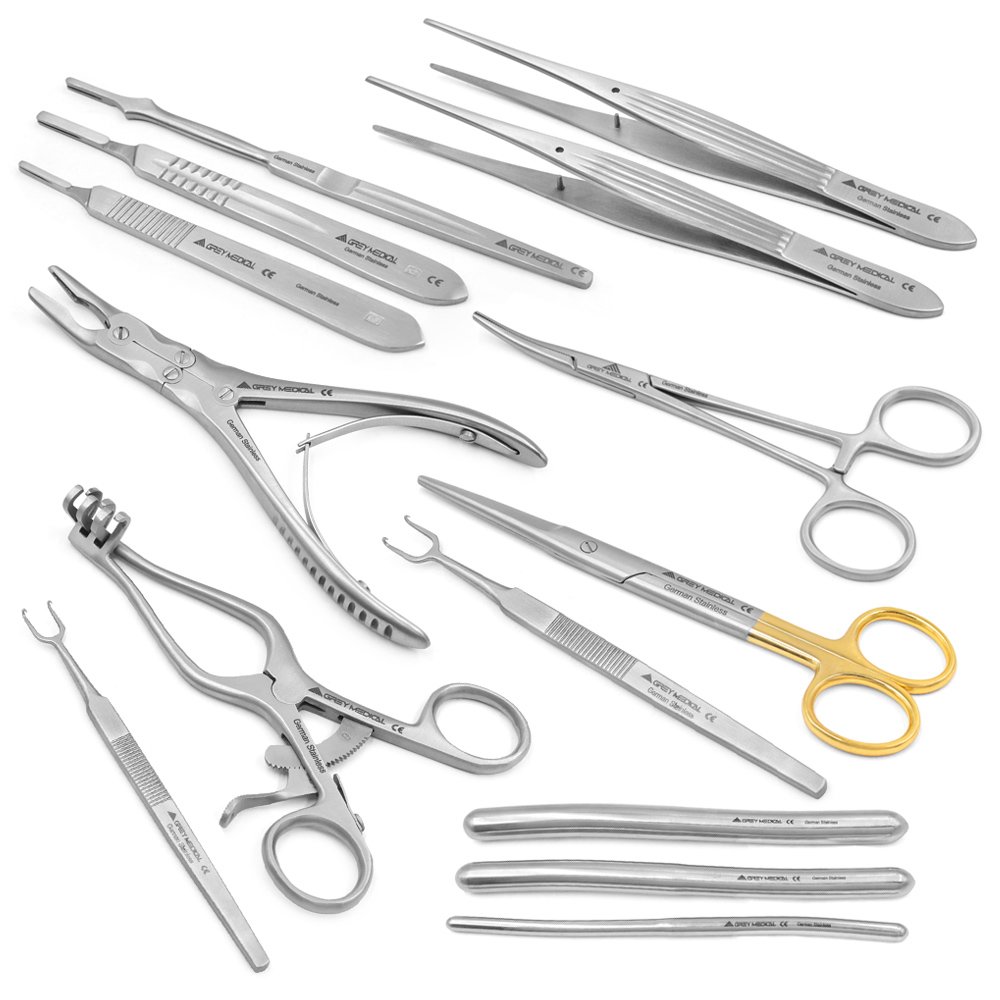
Surgical instruments serve various purposes, each designed to perform specific tasks during an operation. Broadly speaking, these tools can be classified into several categories. Cutting instruments, such as scalpels and scissors, allow surgeons to make precise incisions. Grasping tools, like forceps, enable the secure handling of tissues and organs. Retractors, meanwhile, are indispensable for holding open incisions, providing a clear view of the surgical field. Instruments for haemostasis, such as clamps, help control bleeding, while suturing tools ensure wound closure after the procedure.
Of course, beyond these core categories lies a plethora of specialities, each with its own unique set of instruments. From orthopaedics to neurosurgery, these tools cater to highly specific medical needs. For example, an orthopaedic surgeon may employ bone saws and drills, while a neurosurgeon might use delicate micro-tools optimised for brain surgery.
Materials and Design for Maximum Precision
The materials and design of surgical instruments are as critical as their functionality. Stainless steel remains the material of choice for most tools, offering durability, resistance to corrosion, and ease of sterilisation. For more complex procedures, tools made from titanium or alloys, offering lighter weight and higher strength, are also common.
Ergonomics plays a vital role in the design of these instruments. Comfortable grips and balanced weights not only minimise surgeon fatigue but also improve precision, reducing the risk of errors during lengthy procedures. Advances in engineering have also brought us disposable instruments and single-use components, addressing concerns about potential contamination and simplifying infection control.
Technological Innovations in Surgical Tools
Technology continues to revolutionise the field of surgical instruments. One of the most exciting developments is the integration of robotics into surgical procedures. Tools like robotic arms, equipped with cameras and precision instruments, allow for minimally invasive procedures, offering faster recovery times and reduced scarring for patients.
Another burgeoning area is the inclusion of AI and machine learning in surgical equipment. Smart instruments can now provide real-time feedback, guiding surgeons for greater accuracy. Laser tools and energy-based devices, such as harmonic scalpels, offer precision in cutting and coagulation, further enhancing surgical outcomes.
The Importance of Sterility and Maintenance
The effectiveness of surgical instruments is integrally linked to their cleanliness and maintenance. Sterilisation is essential to prevent infections, and guidelines for cleaning these tools are meticulously followed in operating theatres worldwide. Autoclaves, chemical sterilants, and ultrasonic cleaners are among the methods employed to ensure sterility.
Proper maintenance is equally critical. Instruments must be routinely checked for signs of wear and repaired or replaced when necessary. This attention to detail ensures that every tool performs reliably, safeguarding both the surgeon and the patient.
The Future of Surgical Instruments
The future of surgical instruments is clearly headed towards greater precision, integration of smart technology, and minimally invasive techniques. Researchers are exploring nanotechnology to develop tools capable of operating at cellular levels, while 3D printing is enabling the rapid prototyping of customised instruments tailored to individual patients. These advancements hold the promise of greater surgical success rates and improved patient care.
Why Surgical Instruments Matter
Surgical instruments may seem like small, inanimate objects, but they are indispensable to modern medicine. Their evolution mirrors the progress of medical science, and their functionality is critical during life-saving procedures. Precision, innovation, and care are the cornerstones of their design and use, ensuring that operations are conducted safely and effectively.
Conclusion
Surgeons’ tools and surgical instruments are more than just practical implements—they are enablers of modern medicine. From the ancient scalpels of early civilisations to today’s state-of-the-art robotic systems, these tools have played a crucial role in advancing healthcare. Meticulously crafted and continuously innovated, surgical instruments not only make complex procedures possible but also ensure they are conducted with the highest levels of precision and care. They remain a testament to human ingenuity and a vital component in saving and improving lives every day.