Sunscreen Dermatologist Guide: Everything You Need to Know
 Rohit Verma
Share this Post to earn Money ( Upto ₹100 per 1000 Views )
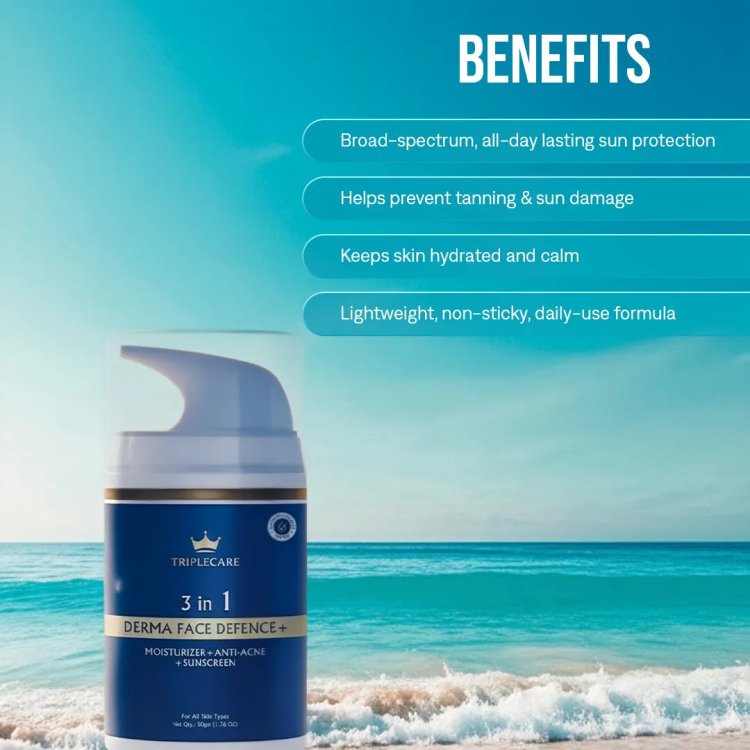
Sunscreen has become one of the most important steps in a modern skincare routine, yet many people still have questions about when to use it, how much to apply, and which type is best for their skin. Dermatologists consistently recommend daily sun protection because your skin is exposed to ultraviolet (UV) rays even during short outdoor activities or while sitting near windows.
Today, many skincare enthusiasts also prefer products that combine hydration with sun protection, making a moisturizer plus sunscreen an increasingly popular choice. Instead of applying multiple products separately, these formulas help simplify your morning routine while supporting healthy-looking skin.
In this dermatologist-inspired guide, we'll explain everything you need to know about sunscreen, common myths, application tips, and how to choose the right product for everyday use.
Why Sunscreen Matters Every Day
Many people believe sunscreen is only necessary during summer vacations or beach trips. However, UV rays are present throughout the year.
Daily exposure can happen while:
- Driving to work
- Walking outdoors
- Sitting near windows
- Shopping
- Exercising outside
Consistent sun protection helps support healthier-looking skin and should become part of your everyday skincare routine.
For added convenience, many people now prefer using a moisturizer plus sunscreen, allowing them to hydrate and protect their skin in one easy step.
Understanding UVA and UVB Rays
Dermatologists often explain that sunlight contains different types of ultraviolet rays.
UVA Rays
UVA rays penetrate deeper into the skin and are present throughout the year. They can pass through clouds and glass, making daily protection important.
UVB Rays
UVB rays are stronger during sunny hours and are primarily associated with sunburn caused by sun exposure.
A broad-spectrum sunscreen is designed to help protect against both UVA and UVB rays.
What Does SPF Actually Mean?
SPF stands for Sun Protection Factor.
The SPF number indicates the level of protection against UVB rays.
Common SPF options include:
- SPF 30
- SPF 50
- SPF 50+
Dermatologists often recommend SPF 30 or higher for everyday use, depending on your lifestyle and the amount of time you spend outdoors.
When combined with hydration, a moisturizer plus sunscreen makes daily sun protection easier to maintain.
Why More People Prefer Moisturizer Plus Sunscreen
Busy lifestyles have increased the demand for multi-functional skincare products.
Instead of applying separate moisturizer and sunscreen, many people now choose a moisturizer plus sunscreen because it offers several advantages.
Benefits include:
- Saves time during morning routines
- Helps simplify skincare
- Supports daily hydration
- Encourages consistent sunscreen use
- Reduces the number of products needed
Convenience often leads to better skincare habits.
How to Choose the Right Sunscreen
Choosing sunscreen isn't only about selecting the highest SPF.
Dermatologists recommend considering several factors.
Your Skin Type
Different skin types have different needs.
- Oily skin may benefit from lightweight formulas.
- Dry skin often prefers moisturizing products.
- Combination skin usually responds well to balanced formulations.
Daily Lifestyle
Someone who spends hours outdoors may have different requirements than someone working indoors.
Comfort
The best sunscreen is often the one you'll actually use every day.
A comfortable moisturizer plus sunscreen encourages consistency.
Common Sunscreen Mistakes
Even good sunscreen habits can be affected by simple mistakes.
Applying Too Little
Many people don't apply enough sunscreen to achieve the intended level of protection.
Follow the product's usage instructions for adequate coverage.
Forgetting the Neck and Ears
Sun protection shouldn't stop at your face.
Remember areas like:
- Neck
- Ears
- Back of the hands
- Hairline
Applying Sunscreen Too Late
Apply sunscreen before going outdoors so it has time to settle according to the product directions.
Skipping Reapplication
If you're outdoors for extended periods, reapply according to the product instructions.
Should You Wear Sunscreen Indoors?
Many dermatologists recommend wearing sunscreen even indoors if you spend significant time near windows or frequently move between indoor and outdoor environments.
Daily habits matter more than occasional use.
This is another reason why a moisturizer plus sunscreen has become popular—it fits naturally into everyday routines.
Does Oily Skin Need Sunscreen?
Absolutely.
Some people avoid sunscreen because they think it will make oily skin feel heavier.
Modern formulations are available in lightweight textures designed for everyday comfort.
Choosing the right moisturizer plus sunscreen allows people with oily skin to protect their skin without feeling excessively greasy.
Can You Skip Moisturizer If Your Sunscreen Is Hydrating?
It depends on your skin type.
Many individuals with normal or oily skin find that a moisturizer plus sunscreen provides enough hydration for their daytime routine.
Those with very dry skin may still choose to use an additional moisturizer based on their individual skincare needs.
Building a Dermatologist-Inspired Morning Routine
An effective skincare routine doesn't have to be complicated.
Here's a simple approach:
Step 1
Cleanse your face with a gentle cleanser.
Step 2
Apply a moisturizer plus sunscreen to hydrate and protect your skin.
Step 3
Apply makeup if desired.
This routine takes only a few minutes and is easy to follow consistently.
Healthy Skincare Habits Beyond Sunscreen
Dermatologists also encourage healthy lifestyle habits that support overall skin health.
These include:
- Drinking enough water
- Eating a balanced diet
- Getting enough sleep
- Avoiding unnecessary sun exposure during peak hours
- Wearing protective clothing when outdoors
Sunscreen works best as part of a complete skincare routine.
How to Select the Right Product
When shopping for sunscreen, consider:
- Broad-spectrum protection
- Comfortable texture
- Suitable SPF
- Compatibility with your skin type
- Ease of daily use
A moisturizer plus sunscreen can be an excellent option for people who want effective skincare without adding extra steps to their routine.
Why Consistency Matters More Than Perfection
One of the biggest lessons dermatologists share is that consistency is far more important than perfection.
Using sunscreen occasionally offers less benefit than making it part of your everyday routine.
Even on cloudy days or during short outdoor trips, your skin is still exposed to UV rays. Choosing products that are comfortable and easy to apply increases the likelihood that you'll use them regularly.
A moisturizer plus sunscreen is especially helpful because it combines two essential skincare steps into one, making daily protection more convenient.
Make Sun Protection a Daily Habit
Healthy-looking skin begins with simple, consistent choices. Wearing sunscreen every day is one of the easiest ways to support your skin against everyday sun exposure. Whether you're working, traveling, exercising, or relaxing outdoors, regular sun protection deserves a place in your routine.
If you're looking for a practical way to simplify skincare, a moisturizer plus sunscreen offers hydration and sun protection in one product. Combined with good cleansing habits, balanced nutrition, and proper hydration, it can help you build a skincare routine that's easy to maintain and suitable for everyday life. By making sunscreen a daily habit instead of an occasional step, you're investing in healthier-looking skin for the long term.