Storm Debris Removal Data: What Items Take the Longest to Clear and Why
Learn which items take the longest during storm debris removal and why. Understand cleanup challenges and how to manage lawn maintenance after storms.
 lawnsforlessllc
Share this Post to earn Money ( Upto ₹100 per 1000 Views )
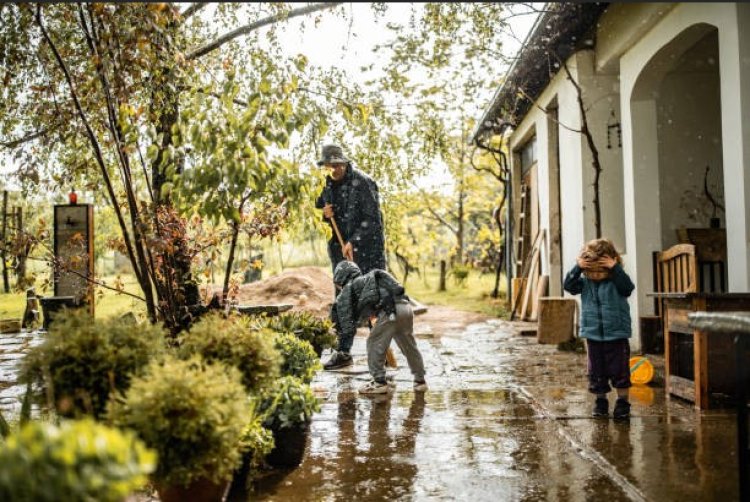
After a storm passes, the visible damage is only part of the story.
What really determines how quickly a property recovers is not just how much debris is present, but what kind of debris it is. Some items can be cleared in minutes, while others take hours or even days due to their weight, spread, or safety risks.
Understanding how storm debris removal works and which materials take the longest to clear can help homeowners set realistic expectations and plan recovery more effectively.
Why Some Storm Debris Takes Longer to Remove
The time it takes to clear an area depends on three main factors: size, location, and condition.
Large or heavy items naturally take longer to remove because they require more labor or equipment. Debris that is scattered across a wide area adds time because it cannot be handled in one pass. And materials that are wet, tangled, or partially buried often require extra effort to separate and lift safely.
Safety also plays a role. Crews must be careful when handling unstable branches, sharp materials, or debris near structures. This slows down the process but prevents further damage or injury.
Storm Debris Removal: Which Items Take the Longest to Clear
-
Fallen Trees and Large Branches
Fallen trees are one of the most time-consuming parts of storm debris removal. Their size alone makes them difficult to handle, but the real challenge is how they fall.
Trees often land across fences, rooftops, or other structures. Before removal can even begin, crews must assess the situation carefully. Cutting a tree into manageable sections requires proper tools and experience, especially when branches are under tension.
Large branches can also be deceptive. Even when they appear easy to move, they may be tangled with other debris or partially embedded in the ground.
What This Means for Cleanup
Tree removal usually happens in stages:
-
Cutting into smaller sections
-
Removing heavy pieces safely
-
Clearing smaller branches afterward
This process takes time, but it is necessary to avoid further damage.
-
Wet Leaves and Organic Debris
At first glance, leaves may not seem like a major issue. But after a storm, they are often soaked, clumped together, and spread across large areas. Wet leaves are heavier than dry ones and tend to stick to surfaces. They can cover lawns, driveways, and patios, making cleanup more labor-intensive.
Impact on Lawn Maintenance
If not cleared properly, this type of debris can block sunlight and trap moisture, leading to lawn damage. This is why storm debris removal often includes clearing and restoring the surface as part of overall lawn maintenance.
In some cases, areas may need follow-up work, such as lawn edging, to redefine borders that were covered or damaged during the storm.
-
Small, Scattered Debris
Items like twigs, bark, and broken plant material may seem minor, but they often take longer to clean because of how widely they spread. Unlike large debris that can be picked up quickly, small pieces require detailed work. Crews must go over the same area multiple times to ensure nothing is left behind.
Hidden Challenges
Small debris can settle into grass, soil, and hard-to-reach areas. If not removed completely, it can interfere with mowing and ongoing lawn maintenance. This is why proper cleanup matters before you hire lawn mowing services. Leftover debris can damage blades and affect overall maintenance if not cleared completely.
-
Mud and Soil Displacement
Storms often bring heavy rain, which can shift soil and create muddy conditions. This makes debris harder to collect and transport. Mud adds weight to everything. Leaves, branches, and even small debris become heavier and more difficult to handle. It can also make surfaces slippery, slowing down the entire process.
Post-Cleanup Restoration
Once debris is removed, the area often needs additional work. This may include smoothing surfaces, restoring grass, or cleaning hard areas. In many cases, pressure washing is used to clean driveways, patios, and walkways that have been covered in mud and residue.
Final Thoughts
Storm debris removal and cleanup often feel overwhelming, not because of the volume alone, but because of how unpredictable the process can be. What looks like a simple yard cleanup can quickly turn into a time-heavy task depending on what the storm leaves behind.
The key is not just reacting, but approaching cleanup with a bit more awareness. When you understand what kind of debris you can expect and why certain tasks slow everything down, you make better decisions about how to handle it, whether that means prioritizing, pacing the work, or knowing when extra help is needed.
In the end, a well-managed cleanup is not just about clearing space. It is about restoring control over your outdoor environment so you can move forward without lingering damage or disruption.
FAQs
How soon should storm debris removal start after a storm?
It is best to begin as soon as conditions are safe. Waiting too long can make debris harder to remove, especially if it becomes compacted or starts to decompose.
Can storm debris damage lawn equipment if not fully cleared?
Yes, leftover debris like small branches or stones can damage blades during mowing. This is why proper cleanup and follow-up checks are important before resuming regular lawn care.
Is pressure washing necessary after storm cleanup?
It depends on the condition of your surfaces. If mud, stains, or residue are left behind, pressure washing can help restore patios, driveways, and walkways.
What should be done with the collected storm debris?
Debris can be bagged, composted, or removed according to local disposal guidelines. Many professional services handle disposal as part of the cleanup process.
Does storm debris affect long-term lawn health?
Yes, if left untreated, debris can block sunlight, trap moisture, and damage grass. Proper removal and ongoing lawn maintenance help protect the lawn from lasting issues.