Spot Welder for Aluminum: Advanced Solutions for Modern Manufacturing
Heron Welder, a global leader in industrial welding and metal-joining technologies, provides advanced resistance welding machines and automated solutions optimized for aluminum applications.
 harry45
Share this Post to earn Money ( Upto ₹100 per 1000 Views )
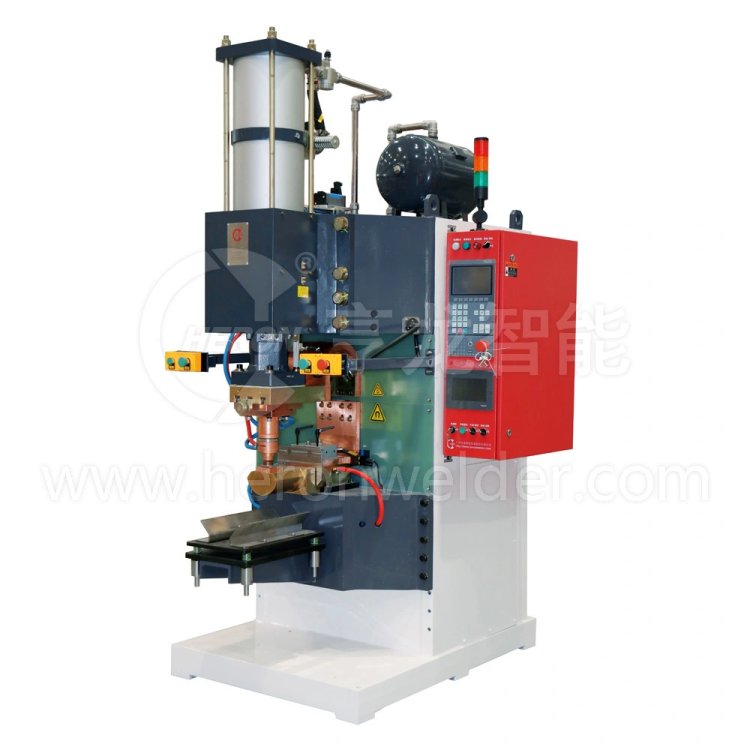
Aluminum is increasingly used across automotive, aerospace, electronics, and industrial applications due to its lightweight, corrosion resistance, and high strength-to-weight ratio. However, joining aluminum presents unique challenges compared to steel, requiring precise heat control and specialized equipment. A spot welder for aluminum offers an efficient, reliable, and cost-effective solution for manufacturers looking to achieve high-quality welds at scale.
Heron Welder, a global leader in industrial welding and metal-joining technologies, provides advanced resistance welding machines and automated solutions optimized for aluminum applications.
Understanding Aluminum Spot Welding
Spot welding is a resistance-based process where two metal sheets are joined by applying pressure and electrical current through copper electrodes at the desired spot. The combination of heat generated by electrical resistance and applied pressure forms a strong weld nugget.
Aluminum’s high thermal and electrical conductivity makes it more challenging to spot weld than steel. Heat dissipates quickly, requiring precise current control, shorter weld times, and specially designed electrodes to prevent sticking and ensure consistent weld quality.
Key Features of a Spot Welder for Aluminum
Modern aluminum spot welders, such as those offered by Heron, include specialized features tailored to the metal’s properties:
- High-Speed MFDC Power Supplies – Medium Frequency Direct Current (MFDC) provides precise control of weld current and heat input, minimizing distortion and electrode wear.
- Adaptive Control Systems – Smart controllers adjust welding parameters in real-time based on sheet thickness, alloy type, and joint configuration.
- Specialized Electrode Materials – Copper alloys with enhanced durability and anti-stick coatings ensure longer electrode life and consistent welds.
- Integration with Automation – Spot welding machines can be integrated into robotic arms, gantry systems, or complete production lines for high-volume aluminum manufacturing.
Applications of Aluminum Spot Welding
Aluminum spot welders are used in diverse industries where lightweight, high-strength joints are critical:
- Automotive Manufacturing – Body panels, chassis assemblies, and battery enclosures.
- Aerospace Components – Lightweight structural assemblies and aircraft interiors.
- Electrical & Electronics – Heat sinks, enclosures, and battery pack assemblies.
- Industrial Equipment – Aluminum frames, housings, and sheet metal assemblies.
Heron’s solutions provide consistent weld quality, high repeatability, and minimal thermal distortion, addressing the unique demands of these industries.
Spot Welding vs. Alternative Aluminum Joining Methods
Manufacturers often consider several joining techniques for aluminum, each with its advantages:
| Joining Method | Advantages | Considerations |
|---|---|---|
| Spot Welding | Fast, reliable, minimal consumables, ideal for high-volume production | Requires precise control for thin sheets |
| MIG/TIG Welding | Strong joints, flexibility in complex geometries | Slower, requires skilled operators, more post-processing |
| Self-Pierce Riveting (FSPR) | Mechanical joints, no heat distortion | Requires pre-drilled holes or thicker sheets |
| Clinching | Tool-free, low-cost, minimal heat | Less suitable for structural components |
For high-volume, sheet-based aluminum assemblies, spot welding often provides the best combination of speed, strength, and cost efficiency. Heron Welder offers machines capable of integrating resistance welding with FSPR and clinching for hybrid joining strategies, enabling manufacturers to optimize both speed and quality.
Best Practices for Aluminum Spot Welding
To maximize weld quality and production efficiency, consider these best practices:
- Pre-Cleaning Sheets – Aluminum oxide forms naturally on the surface and can prevent proper weld formation. Use cleaning agents or mechanical brushing before welding.
- Optimize Electrode Geometry – Rounded or contoured electrodes improve current distribution and reduce indentation on thin sheets.
- Control Weld Parameters – Fine-tune current, pressure, and weld time according to sheet thickness, alloy type, and production volume.
- Monitor Electrode Wear – Regular inspection and maintenance prolong electrode life and ensure consistent weld quality.
- Use Automation Where Possible – Integrating spot welders into robotic systems reduces human error and ensures repeatable high-quality welds across production runs.
Why Choose Heron for Aluminum Spot Welding
Heron Welder is a trusted global provider of industrial welding solutions, offering:
- Complete Product Range – Resistance spot, projection, seam, MFDC, and capacitor discharge welding machines.
- Automation Integration – Fully customizable robotic and line automation solutions tailored for aluminum production.
- Advanced Control Systems – Adaptive controllers, data logging, and monitoring for traceable weld quality.
- Expert Support – Engineering consultation, maintenance, and training for global manufacturing teams.
By choosing Heron, manufacturers gain access to high-performance, durable, and reliable spot welding systems designed specifically for aluminum.
FAQs: Aluminum Spot Welding
1. Can all aluminum alloys be spot welded?
Yes, most aluminum alloys can be spot welded, but each requires specific current settings and electrode types. Heron’s controllers can be programmed for alloy-specific parameters.
2. How thick can aluminum sheets be spot welded?
Spot welding is typically used for sheets up to 4–5 mm thick. For thicker sections, projection welding or hybrid methods may be more suitable.
3. What is the typical electrode life for aluminum spot welding?
Electrode life depends on material, coating, and usage. With proper maintenance and anti-stick coatings, electrodes can last tens of thousands of welds.
4. Can spot welders be automated for high-volume production?
Absolutely. Heron’s spot welding machines integrate seamlessly with robotic arms, gantries, and full production lines for high-speed, high-volume operations.
5. How does spot welding affect aluminum strength?
When properly performed, spot welding produces strong, reliable joints with minimal distortion. Heron’s MFDC and adaptive control technologies ensure consistent mechanical performance.
Conclusion
A spot welder for aluminum is an essential tool for modern manufacturers seeking speed, precision, and repeatable quality. From automotive bodies to aerospace components, Heron Welder provides advanced, adaptable solutions for every aluminum joining challenge.
Consult Heron today to explore customized aluminum welding and automation solutions designed for your production needs. Request a quote or speak with our engineering team to implement high-performance spot welding systems that elevate your manufacturing capabilities.