Simple Interest Explained: Formula, Examples, and Key Uses
 finance
Share this Post to earn Money ( Upto ₹100 per 1000 Views )
Simple interest is an essential concept in finance, used to calculate the cost of borrowing or the earnings on savings over a specific period. Understanding how simple interest works can help individuals make informed decisions when taking out loans or planning savings. In this article, we’ll explore the formula for calculating simple interest, provide examples to help you apply the concept, and discuss its key uses—especially in scenarios like personal loans or managing finances with a 650 credit score.
What Is Simple Interest?
Simple interest is a straightforward method of calculating the interest earned on a principal amount over a period of time. Unlike compound interest, which accrues on both the principal and any previously earned interest, simple interest only considers the original loan or investment amount. This makes it easier to calculate and understand.
The Formula for Simple Interest
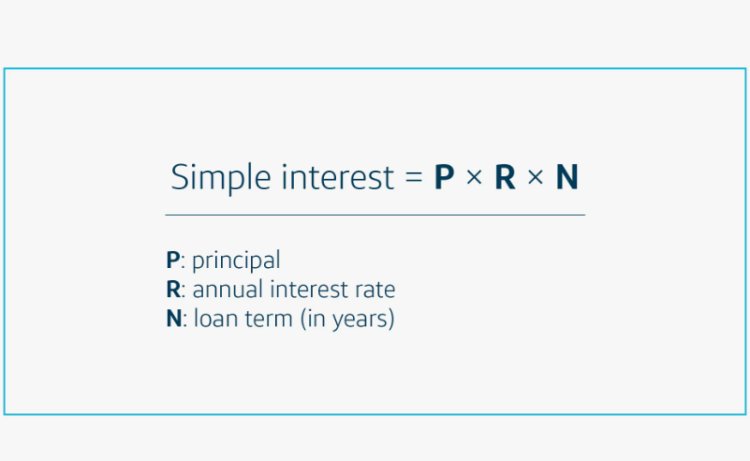
The formula for calculating simple interest is:
Simple Interest (SI) = Principal × Rate × Time
Where:
-
Principal (P) = The amount of money being borrowed or invested
-
Rate (R) = The annual interest rate (expressed as a decimal)
-
Time (T) = The time duration the money is borrowed or invested, typically in years
How Simple Interest Works: Examples to Illustrate
To better understand how simple interest is calculated, let’s look at a few examples.
Example 1: Interest on Savings
Suppose you deposit 5,000 in a savings account earning 3% simple interest per year. If you leave the money untouched for 4 years, how much interest will you earn?
Using the formula:
-
Principal = 5,000
-
Rate = 3% = 0.03
-
Time = 4 years
Simple Interest = 5,000 × 0.03 × 4 = 600
After 4 years, you will earn 600 in interest, and your total balance will be 5,600.
Example 2: Borrowing a Personal Loan
Imagine you take out a personal loan of 10,000 with a flat interest rate of 5% for 2 years. How much interest will you pay?
Using the formula:
-
Principal = 10,000
-
Rate = 5% = 0.05
-
Time = 2 years
Simple Interest = 10,000 × 0.05 × 2 = 1,000
This means you’ll pay 1,000 in interest over the course of 2 years, making the total repayment 11,000.
Key Uses of Simple Interest
Simple interest is widely used in various financial situations. Let’s explore its common applications.
1. Savings Accounts
Banks often use simple interest to calculate the earnings on savings accounts, fixed deposits, or other short-term investments. Simple interest provides a straightforward way for individuals to estimate their returns over a fixed period.
2. Loans with Fixed Rates
Certain loans, like personal loans, car loans, and small business loans, may use simple interest to determine the total repayment amount. Borrowers can easily calculate the cost of borrowing based on the principal, interest rate, and loan term.
3. Short-Term Borrowing
Simple interest calculations are often used for short-term financing, such as payday loans, credit builder loans, and other forms of direct borrowing. These loans tend to involve fixed principal amounts and short repayment periods.
How Simple Interest Relates to Credit Scores
Your ability to secure loans and manage their interest rates often depends on your credit score—a key metric that lenders use to assess your financial reliability. For example, if you have a 650 credit score, simple interest loans can be an accessible option for personal financing. Here’s what you need to know:
Personal Loan Options for a 650 Credit Score
A credit score of 650 falls in the "fair" range, which means you may face slight challenges securing a loan but still have options available. With a 650 credit score, simple interest loans with fixed-rate terms are often offered by lenders such as Bajaj Finserv. Since simple interest calculations can clearly show the cost of borrowing upfront, borrowers with fair credit can use these loans to avoid surprises.
Tips to Improve Loan Accessibility with a 650 Credit Score:
-
Focus on Affordable Loans: When shopping for loans, prioritize those with simple interest calculations to better understand repayment costs.
-
Choose Reputable Lenders: Research lenders who specialize in personal loans for borrowers with fair credit scores.
-
Improve Your Credit: A higher credit score will open doors to loans with lower interest rates, reducing the overall financial burden.
Advantages of Simple Interest Loans
Simple interest loans provide key benefits, especially for borrowers with fair credit or individuals who prefer a predictable repayment structure.
Transparent Cost of Borrowing
With simple interest loans, the total interest charge is fixed, so borrowers know exactly what they’re paying over the loan term. This transparency makes financial planning easier.
Easier Repayment Calculations
Unlike loans that involve compound interest, simple interest loans offer straightforward repayment calculations. Borrowers can evaluate how much they owe each month without dealing with complex formulas.
Accessible to Borrowers with Fair Credit
Simple interest loans are often available to individuals with credit scores in the 650 range. They are less risky for lenders because the principal and interest rates remain fixed.
Simple Interest vs. Compound Interest: What’s the Difference?
Compound interest involves interest being calculated on the principal and any interest previously accrued, leading to higher returns for investors or higher costs for borrowers. On the other hand, simple interest involves only the principal, making it less expensive for borrowers.
Here’s a quick comparison:
-
Simple Interest: Beneficial for borrowers as interest doesn’t compound.
-
Compound Interest: Preferred by investors to maximize earnings, but may increase borrowing costs.
When considering loans or savings with a 650 credit score, opting for simple interest formulas can make repayment easier and more predictable.
Managing Personal Loans with Simple Interest and a 650 Credit Score
If you’re exploring loans with a 650 credit score, understanding simple interest can help you make better financial choices. Here are some tips for managing these loans effectively:
1. Compare Interest Rates
Shop around for lenders offering competitive rates on simple interest personal loans. Even a small reduction in the interest rate can lead to significant savings over time.
2. Budget for Monthly Repayments
Use the simple interest formula to determine your total loan repayment amount, then divide it into monthly installments. This will help you budget effectively and avoid missed payments.
3. Avoid Late Payments
Timely payments are crucial, especially for borrowers with fair credit scores. Late payments can negatively impact your credit score and increase financial strain.
4. Work on Credit Improvement
While repaying your simple interest loan, take steps to improve your 650 credit score. Paying down existing debts, reducing credit utilization, and disputing errors on your credit report can help boost your score over time.
Conclusion
Simple interest is an easy-to-understand concept that plays a vital role in personal finance. By applying the formula for simple interest, individuals can calculate how much they’ll earn on savings or pay on loans. Borrowers with a 650 credit score can particularly benefit from simple interest personal loans, as these loans provide a transparent and predictable repayment structure.
Whether you’re saving money, exploring personal loans, or managing short-term borrowing, simple interest offers clarity and ease compared to its complex counterpart, compound interest. Always shop around for lenders, compare rates, and make responsible financial decisions to maximize the benefits of simple interest-based transactions.
Understanding simple interest—and how it relates to your credit score—can empower you to make smart choices that support financial growth and stability in the long term.