
Operation Tools: The Role of Surgical Instruments in Modern Medicine
 GreyMed
Share this Post to earn Money ( Upto ₹100 per 1000 Views )
Advancements in surgical procedures have transformed medicine, but without precise, reliable surgical instruments, many of these feats would remain unimaginable. Surgical instruments form the backbone of operating tool theatres, enabling surgeons to perform complex procedures with accuracy and care. From scalpels to retractors, each tool plays a pivotal role in ensuring optimal patient outcomes.
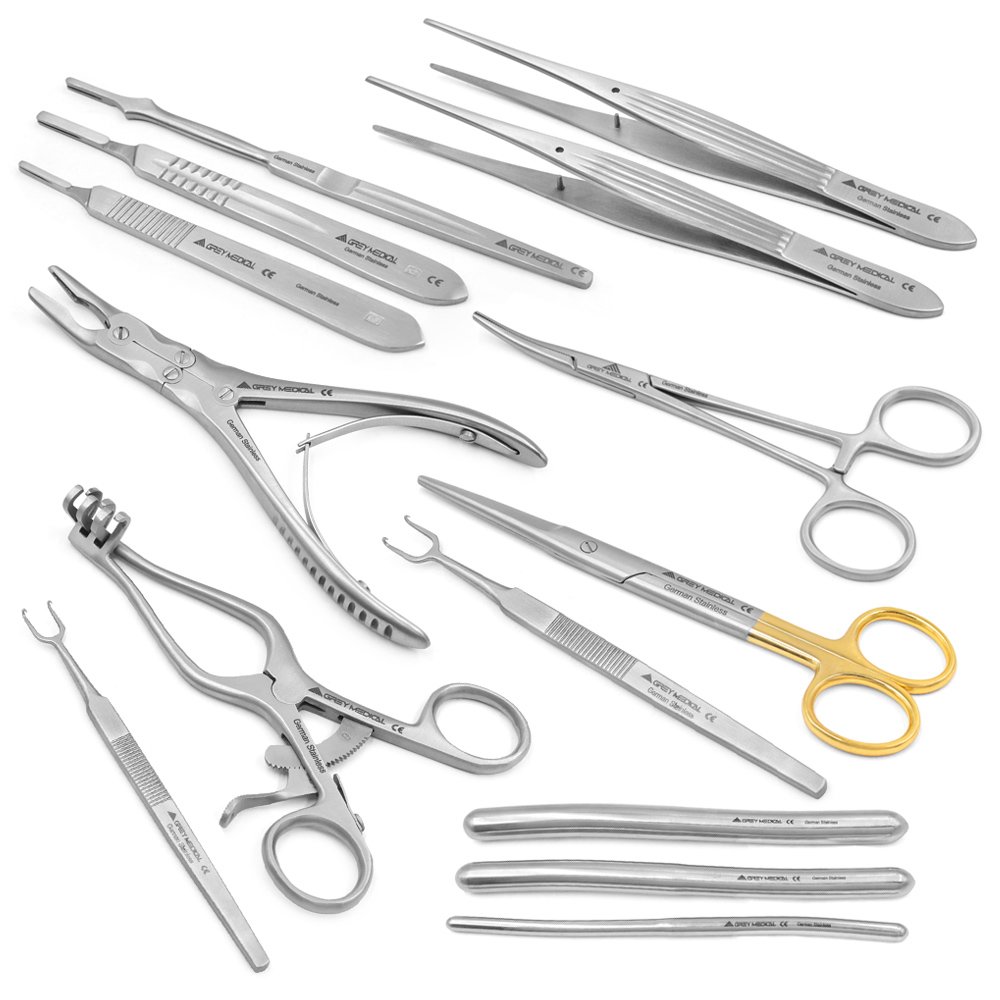
The Evolution of Surgical Instruments
The history of surgical instruments is a fascinating testament to human ingenuity. Early medical tools were often rudimentary, fashioned from flint or bone by ancient civilisations. Over centuries, the field of surgery evolved alongside the development of specialised tools. The Industrial Revolution brought significant progress, with the introduction of stainless steel ensuring sterile instruments that could be reused without compromising patient safety.
Modern surgical tools are the result of meticulous design and continuous innovation. Advanced manufacturing techniques now allow the production of precision-engineered instruments that meet the exacting standards of contemporary medicine. Surgeons succeed not only because of their skill but also because of the quality and functionality of the tools they employ.
Categories of Surgical Instruments
Surgical instruments are typically classified based on their purpose. Cutting instruments, such as scalpels and scissors, enable precise incisions. Clamps and forceps are indispensable for holding tissue or stopping blood flow to provide a clear surgical field. Retractors keep the site open, granting surgeons full visibility of the operation area. Meanwhile, specialised tools like electrosurgical instruments use electrical currents to cauterise or dissect tissue with minimal damage.
Each tool is carefully crafted from high-grade materials such as surgical stainless steel, titanium or special polymers. These materials not only enhance durability but also ensure optimal performance under high-pressure conditions. Tools are often designed with ergonomics in mind, combining functionality with surgeon comfort to improve precision during lengthy procedures.
Maintaining Precision and Safety
The importance of sterilisation in surgery cannot be overstated. Contaminated instruments pose a significant risk of infection, which could compromise patient health. The introduction of autoclaves and other advanced sterilisation equipment has revolutionised hygiene in the surgical field.
Beyond sterilisation, maintenance plays a critical role in preserving the integrity of surgical tools. Instruments must be inspected regularly for signs of wear, as the performance of a dull blade or malfunctioning clamp could have severe consequences during an operation. Proper care and storage extend the lifespan of these vital tools and maintain their reliability over time.
The Future of Surgical Instruments
Technological advancements are shaping the future of surgical instruments in remarkable ways. Robotic systems like the da Vinci Surgical System allow surgeons to manipulate instruments with unprecedented precision, reducing patient recovery times. Meanwhile, 3D printing is revolutionising the field by enabling the creation of custom-designed surgical tools tailored to individual procedures.
Another promising area is the integration of smart technologies into surgical devices. For example, some instruments now come equipped with sensors that provide real-time feedback to surgeons, enhancing accuracy and reducing the risk of complications. Artificial intelligence and machine learning are also beginning to play a role, offering predictive insights that could improve surgical outcomes.
The evolution of these instruments underscores their vital importance in pushing the boundaries of what is medically possible.
Conclusion
Surgical instruments are far more than just tools; they are extensions of a surgeon’s expertise, enabling life-saving procedures that shape the future of healthcare. From the cleanliness of materials to the adaptability offered by technological advancements, these instruments are indispensable in ensuring the safety and success of operations worldwide.
By prioritising innovation, maintenance, and precision, the medical community continues to transform surgical tools into instruments of hope, paving the way for more effective treatments and improved patient care.
















