Most Comfortable Sunglasses Features Ranked by Opticians and Wearers
Discover the top comfortable sunglasses features ranked by opticians and wearers for better fit, comfort, and everyday performance.
 wink&nodeyewear
Share this Post to earn Money ( Upto ₹100 per 1000 Views )
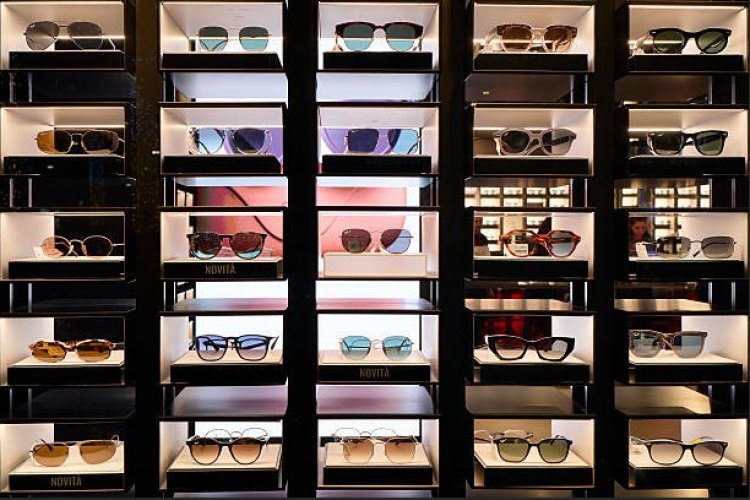
Comfortable sunglasses are not just about looking good. The best pairs feel balanced, stay in place, protect your eyes, and do not pinch your nose or temples after an hour of wear. Opticians usually look at fit, frame shape, lens protection, material, and adjustability. Wearers care about the same things in everyday language: “Do they slide?” “Do they hurt?” “Can I wear them all day?” “Do they actually help in bright sun?”
Here are the comfortable sunglasses features that matter most, ranked by how much they affect real daily wear.
Key Takeaways
-
Comfort is as important as style in sunglasses.
-
Lightweight materials reduce pressure and irritation.
-
Balanced frames prevent slipping and discomfort.
-
Good nose support and flexible arms improve fit.
-
Smooth finishing enhances long-term wearability.
-
Proper fit and coverage improve comfort and protection.
-
Premium materials perform better in heat and daily use.
-
Comfortable sunglasses are more practical for everyday wear.
Top Comfortable Sunglasses Features Ranked by Experts and Wearers
-
Proper Bridge Fit
The bridge is one of the biggest comfort factors because it controls how the sunglasses sit on your nose. If the bridge is too narrow, the frame can pinch. If it is too wide, the sunglasses slide down your face every few minutes.
Opticians usually check whether the frame rests evenly without leaving deep marks. For people with lower nose bridges, adjustable nose pads or alternative-fit frames can make a major difference.
This is why some luxury frames feel better than cheaper pairs. Better fitting geometry, smoother finishing, and more precise adjustments can reduce pressure points. A pair from a premium sunglass collection should feel secure without needing constant adjustment.
-
Lens Coverage and Eye Protection
Comfort is not only about pressure. It is also about how your eyes feel in bright light. Large lenses and wraparound shapes can reduce squinting by blocking more light from the front and sides. Cleveland Clinic notes that larger frames with proper UV protection offer better coverage and can help protect the skin around the eyes, too.
The American Academy of Ophthalmology recommends sunglasses that block 99 to 100 percent of UVA and UVB radiation, and says older sunglasses can be taken to an optical shop to test UV protection.
That means a comfortable pair should not just feel good on your face. It should also reduce glare, squinting, and eye strain during real use.
-
Lightweight Frame Material
Weight matters more than people realize. Heavy sunglasses can feel fine in the store, but uncomfortable after driving, walking, or wearing them outdoors for several hours. The heavier the frame, the more pressure you may feel on the nose, ears, and temples.
Acetate is popular because it can feel smooth, polished, and premium, but thickness and balance still matter. A chunky frame may look stylish but feel tiring if the weight is not distributed well. When shopping from an acetate sunglasses store, look for frames that feel sturdy without feeling front-heavy.
Metal frames may feel lighter, but they need good nose pads and temple adjustment to stay comfortable. Plastic and acetate frames may feel softer against the face, but they often have less nose-pad adjustability unless designed with special fit features.
-
Temple Comfort and Grip
The temples, or arms, should gently hold the sunglasses in place without squeezing your head. If the temples press too tightly, you may feel discomfort behind the ears or along the sides of the head. If they are too loose, the sunglasses slide when you bend forward or sweat.
Good temples should follow the natural curve of your head. Some frames use spring hinges to reduce pressure and improve flexibility. This can be useful for people who wear sunglasses for long drives, beach days, outdoor work, or travel.
Wearers often describe this as “forgetting they are on.” That usually happens when the frame is secure but not tight.
-
Polarized Lenses for Glare Comfort
Polarized lenses are an important comfortable sunglasses feature for driving, fishing, boating, beach days, and walking near water, snow, or pavement. They reduce reflected glare, which can make vision feel calmer and clearer.
The American Academy of Ophthalmology explains that polarized lenses cut reflected glare from surfaces like pavement, car windows, and water, but polarization does not automatically mean UV protection. Buyers still need to check that lenses provide maximum UV protection.
For many wearers, polarization is the difference between sunglasses that simply darken the world and sunglasses that actually make bright environments easier to handle.
-
Lens Tint That Matches Your Use
Lens darkness does not equal UV protection, but tint still affects comfort. A medium tint may work well for everyday wear, while darker lenses may feel better in very bright conditions. The American Academy of Ophthalmology notes that lens color and darkness do not tell you whether lenses block UV, but they do affect brightness and comfort.
Gray lenses often feel natural for general use. Brown or amber lenses may improve contrast. Green lenses can balance brightness and detail. The best tint depends on whether you drive, walk outdoors, spend time near water, or need clearer contrast.
-
Smooth Finish and No Sharp Edges
Small finishing details can make or break comfort. Rough edges around the nose, stiff hinges, uneven frame arms, or poorly polished acetate can cause irritation. High-quality luxury accessories often stand out because they feel refined in hand and on the face.
Wearers usually notice this after extended use. A frame that looks good but rubs the nose or ears will not become a favorite pair. The best sunglasses feel smooth at every contact point.
Final Thoughts
The most comfortable sunglasses features are practical: bridge fit, lightweight, temple comfort, lens coverage, UV protection, polarization, suitable tint, smooth finishing, and stable wear. Style matters, but comfort decides whether you actually keep reaching for the same pair.
The best sunglasses should feel easy on your face and easier on your eyes. Choose the pair that fits your nose, stays balanced, protects from UV, reduces glare, and feels comfortable after more than a quick mirror check.
FAQs
Do lighter sunglasses always feel more comfortable?
Not always. Lightweight frames help reduce pressure, but balance and fit matter just as much. Poorly balanced lightweight frames can still feel uncomfortable.
Why do acetate sunglasses feel more premium?
Acetate offers smoother finishes, richer colors, and greater flexibility than many low-cost plastics. It also adapts well during professional adjustments.
Can sunglasses be adjusted for better comfort?
Yes. Opticians can often adjust temple arms, nose fit, and frame alignment to significantly improve comfort.
Are oversized sunglasses less comfortable?
Not necessarily. Oversized frames can feel comfortable if the weight is balanced properly and the frame matches the wearer’s facial structure.
How often should sunglasses be professionally adjusted?
Opticians generally recommend adjustments whenever frames begin slipping, feel uneven, or create pressure points during wear.