
Modern Abstract Art Color Palettes for 2026 That Pair with Warm Woods and Soft Neutrals
Discover modern abstract art color palettes for 2026 that pair beautifully with warm woods and soft neutrals. Practical ideas, tones, and styling tips inside.
 GregDoster
Share this Post to earn Money ( Upto ₹100 per 1000 Views )
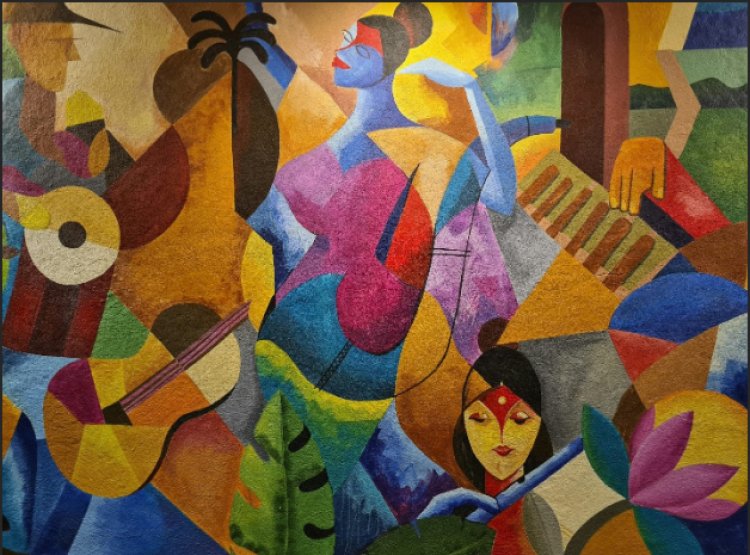
Modern interiors are shifting toward warmth, texture, and emotional comfort. Clean whites are being softened, and bold contrasts are being replaced with layered, lived-in tones. This is where modern abstract art color palettes step in.
If your space already features warm woods and soft neutrals, the right palette can improve everything without overwhelming it. The goal is not to compete with your interiors, but to deepen them.
Let’s explore how.
Why Color Palettes Matter in Modern Decor Art
Before choosing any modern wall art, it helps to understand how color works within a space.
Warm woods such as oak, walnut, and teak bring natural richness. Soft neutrals like beige, cream, taupe, and sand create a calm base. When paired correctly, abstract art can:
-
Add depth without clutter
-
Introduce contrast in a subtle way
-
Tie together different textures in the room
-
Create a focal point that still feels grounded
The wrong palette can feel disconnected. The right one feels intentional.
Art Color Palettes 2026: For Warm Interiors
-
Clay, Terracotta, and Dusty Rose
This palette is leading interior trends in 2026 because it reflects natural earth tones while still feeling modern.
How it works with warm woods and neutrals:
-
Terracotta echoes the warmth of wood grains
-
Dusty rose softens the look and adds a gentle emotional tone
-
Clay tones blend seamlessly with beige and cream walls
Where to use it:
This palette works beautifully in living rooms and bedrooms where you want a cozy, inviting atmosphere.
Example: A piece of handmade wall art featuring layered terracotta brush strokes with hints of muted pink can sit above a walnut console. The tones will not clash but instead extend the warmth already present in the wood.
-
Olive Green, Sage, and Soft Gold
Nature-inspired greens are becoming a core part of modern decor art and art color palettes, especially when paired with warm interiors.
Why this palette works:
-
Olive and sage complement wood tones without overpowering them
-
Soft gold accents reflect light and add a refined touch
-
These colors bring a sense of calm and balance
Styling tip: Avoid bright or neon greens. Stick to muted, earthy greens that feel organic.
Example:
A limited edition print with abstract olive textures and subtle gold detailing can transform a neutral wall. When placed near oak furniture, the green tones feel grounded and intentional.
-
Deep Charcoal, Warm Beige, and Soft White
This palette is ideal if you want contrast without losing warmth.
How it balances the space:
-
Charcoal adds depth and structure
-
Warm beige connects the art to neutral surroundings
-
Soft white keeps the piece light and breathable
Why it works: Many people hesitate to use darker tones with warm interiors, but when balanced with beige, charcoal becomes sophisticated rather than heavy.
Example:
A large modern wall art canvas with charcoal abstract forms layered over a beige base works well above a cream sofa. The result feels modern but still cohesive with soft neutrals.
-
Muted Blue, Sand, and Warm Taupe
Blue is often seen as a cool tone, but when muted and paired correctly, it works beautifully with warm interiors.
Key idea: The blue should feel dusty, not crisp.
Why it works:
-
Sand and taupe anchor the palette in warmth
-
Muted blue adds contrast without disrupting the calm
-
This combination creates a relaxed, coastal-inspired feel without being obvious
Example:
A textured, handmade wall art piece with soft blue washes blended into sandy neutrals can pair well with light wood furniture. It introduces freshness while staying subtle.
-
Burnt Orange, Mustard, and Cream
This art color palette brings energy while still respecting the warmth of the space.
How to use it effectively:
-
Keep mustard tones muted rather than bright
-
Use burnt orange as the dominant accent
-
Balance everything with cream or off-white
Why it pairs well: Both burnt orange and mustard naturally echo wood undertones, making them easy to integrate.
Example:
A bold modern decor art piece featuring abstract mustard shapes layered with burnt orange strokes can act as a focal point in a neutral room. When placed near teak or oak finishes, it feels cohesive rather than loud.
-
Soft Black, Linen, and Natural Brown
This palette is minimal but powerful.
Why it works:
-
Soft black adds definition without harshness
-
Linen tones keep the palette light
-
Natural brown connects directly with wood furniture
Styling approach: Choose abstract pieces with negative space. This allows the colors to breathe and prevents the art from feeling heavy.
Example:
A limited edition print with soft black lines over a linen background can look striking above a wooden sideboard. It adds contrast while still respecting the warmth of the room.
How to Choose the Right Palette for Your Space
Not every palette will suit every room. Here is how to make a confident choice:
Consider your wood tone
-
Light woods: Pair with soft blues, sage, or beige-based palettes
-
Medium woods: Work well with terracotta, olive, and muted gold
-
Dark woods: Balance with lighter neutrals and controlled contrast like charcoal or cream
Look at your existing neutrals: If your room leans toward warm beige, avoid cool greys. Choose art that reflects the same undertone.
Conclusion
The art color palette of 2026 is not about bold statements for the sake of attention. They are about harmony, depth, and connection to natural materials. When paired with warm woods and soft neutrals, abstract art becomes more than decoration. It becomes part of the story your space tells.
If you are looking to transform your interiors with thoughtfully designed modern wall art, now is the time to explore curated pieces that align with your palette and style. Choose art that feels personal, layered, and intentional.
FAQs
1. Can I mix multiple art color palettes in one room?
Yes, but they should share a common undertone. For example, combining terracotta tones with olive green works if both feel muted and earthy.
2. What size abstract art works best with warm wood furniture?
Larger pieces often work better because they create balance with the visual weight of wood furniture. Smaller pieces may get lost unless grouped.
3. Should art match my furniture exactly?
No. It should complement, not match. Slight contrast creates interest while still keeping the space cohesive.
4. Are textured artworks better than flat prints for neutral spaces?
Textured pieces often add more depth, especially in neutral rooms where visual variation is needed.
5. How do I maintain balance if my art has bold colors?
Repeat subtle hints of those colors elsewhere in the room through cushions, rugs, or decor accents to create harmony.















