Is Your Roof Ready For A Solar System Installation?
Is your roof ready for solar panels? Discover key factors to check before a Denver CO solar system installation—avoid costly mistakes & maximize energy savings!
 Joshua Ash
Share this Post to earn Money ( Upto ₹100 per 1000 Views )
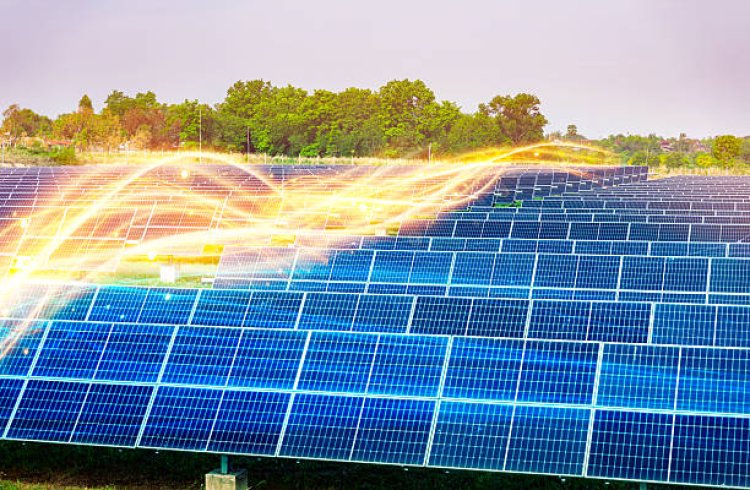
Thinking about going solar? Well, you're not alone. Many homeowners are considering it, especially with the rising costs of energy. However, before you start celebrating your future savings, there's one big question you need to ask yourself: Is your roof ready for a Denver CO solar system installation? Let's cut to the chase. If your roof isn't in good shape, installing solar panels could be a costly mistake. You'll need to think about your roof's age, structure, and materials. In short, if the base isn't solid, your shiny new solar system could come crashing down—literally or financially.
Is Your Roof Ready For Denver CO Solar System Installation?
To begin with, let's start with the basics—roof age. Honestly, it's a big deal. Since most solar systems last 25 to 30 years, an older roof may not be suitable. So, if your roof is pushing 20 years old, that's a red flag. Why install something that lasts decades on a roof that might not survive the next storm? Without a doubt, a solar system installation won't be worth it if you need to rip off the panels to replace your shingles a year later. That's double the labor, double the cost.
Therefore, here's what you can do:
- First, check your roof's paperwork or warranty.
- Next, look for visible signs of wear, such as missing shingles or soft spots.
You want your roof to outlast your panels. Otherwise, consider replacing it before installing any solar equipment. Yes, it's more upfront. However, it'll save you a massive headache later.
What's the Roof Made Of?
Next, let's discuss roofing materials. Not all roofing materials are solar-friendly. Fortunately, if you've got metal, asphalt shingles, or standing seam roofs, you're in luck. These are ideal for a Denver CO solar system installation. On the other hand, if you have slate, clay tile, or wood shake, it might get complicated. Or expensive. Or both.
Is Your Roof Structurally Sound?
After reviewing the materials, let's proceed to the structure. This one's non-negotiable. Your roof must be strong enough to withstand the weight. Remember, solar panels aren't light. The racking system and panels together add a significant load. And if your roof's already struggling? That's asking for trouble.
During a solar system installation, pros will check for:
- Rafter condition
- Water damage
- Rot or sagging
- Previous repairs
Therefore, you'll need a structural engineer or a qualified roofer to assess it. If reinforcements are required, get them done first. Think of it as putting new furniture on a stable floor, not a wobbly table.
Which Direction Does Your Roof Face?
Now, let's talk about roof orientation. Surprisingly, it matters more than you'd think. In the U.S., south-facing roofs are gold. They receive the most sun exposure throughout the day. East- or west-facing roofs can still work, but they'll catch less sun. North-facing? Not ideal at all.
Solar system installation thrives on sunlight, so be sure to check:
- Which direction does your roof face
- Whether there's a pitch or slope
- If the surrounding buildings block the sun
You can use tools like Google Project Sunroof or consult your installer to check solar potential. It's fast, easy, and totally worth it.
Got Shade? That's a Problem
So, what about shade? Let's not ignore this one—your solar panel's worst enemy. Trees, chimneys, and even tall neighboring buildings can block sunlight. And when sunlight is blocked, your solar system installation can't perform at its best.
Here's how shade hurts your system:
- Drops efficiency
- Lowers energy savings
- Creates hot spots on panels
If you've got too much shade:
- Trim or remove trees (with permission)
- Use microinverters for better panel performance
- Try alternative placements like detached garages
No sun? No savings. So, solve the shade before moving ahead.
Is There Room for Panels?
So far, so good. But now it's time to look at space. A complete solar setup needs space. Without enough square footage, you might not be able to install enough panels. Your roof should be large enough to fit all necessary equipment. The average solar panel measures approximately 65 inches by 39 inches. A 5kW system needs around 300–400 square feet.
Before your Denver CO solar system installation, make sure your roof has:
- A flat, unobstructed area
- Few vents or skylights in the way
- Enough pitch for water runoff
Here's what you can do if space is tight:
- Use higher-efficiency panels
- Install panels in multiple smaller sections
- Consider ground-mounted options
Do You Need Roof Repairs First?
We're almost there—but hold on! Repairs matter more than you think. Repairs are cheaper before the panels go up. If your roof has minor leaks, cracks, or other damage—fix it now. Once panels are installed, even minor problems get bigger, harder, and more expensive to deal with.
Before a Denver CO solar system installation, check for:
- Loose or missing shingles
- Water stains inside your attic
- Poor sealing around vents
Move Checklist:
- Fix all known roof issues now
- Ask your roofer about future-proofing
- Install solar and sleep easily later
This saves future frustration. No one wants to uninstall panels for a $100 repair.
Have You Talked to the Pros?
Finally, let's talk about the experts. It's time to get some backup.
You might know a lot now, but pros know more. Most solar companies offer free roof inspections. They'll tell you exactly what's good, what's bad, and what needs fixing.
Why this step matters before a Denver CO solar system installation:
- You'll avoid surprise costs
- You'll get a tailored plan
List to Ask the Pros:
- Can my roof handle the weight?
- Is my layout solar-friendly?
- Do I need reinforcements or repairs?
They've seen every kind of roof out there. Therefore, let them guide you, so you're not left to guess.
Conclusion
If your roof is newer, sturdy, sun-soaked, and clear of shade, then you're good to go! However, if you've got an old roof, questionable materials, or damage, fix it first. Don't risk your investment. We covered everything, from roof age to structure, materials, and sunlight. Yes, it might feel like a lot—but trust me, it's worth the prep. Do your roof homework first. A solid base means your solar system installation will shine bright for decades.
Ready to power up your home with the sun? Consider Impact Energy to make sure your roof says, "Let's do this."