How Star Lite Trucking Improves Your Logistics Process?
Star Lite Trucking is a trusted logistics provider offering reliable freight services, heavy hauling, and customized transportation solutions. By prioritizing safety, compliance, and technology-driven efficiency, the company ensures cost-effective and dependable freight transportation that helps businesses streamline their supply chain operations.
 William David 1
Share this Post to earn Money ( Upto ₹100 per 1000 Views )
Improving logistics isn’t just about moving goods faster; it’s about doing so safely, reliably, cost-effectively, and in compliance with laws and industry best practices. Star Lite Trucking recognizes that modern logistics must account for not only route planning and cost control, but also the framework of federal and state regulations, safety standards, environmental requirements, and technology. The following sections describe the relevant rules and how adherence to them helps Star Lite Trucking enhance your supply chain. 
Key Regulatory Requirements in Trucking
Federal Motor Carrier Safety Regulations (FMCSRs)
Any company operating commercial motor vehicles in interstate commerce must comply with the Federal Motor Carrier Safety Regulations. These include general requirements about vehicle condition, driver qualifications, hours-of-service (HOS), maintenance, and record keeping. These regulations are codified in Title 49 of the Code of Federal Regulations (CFR), Parts 390 through 399.
Hours-of-Service Rules
One of the most important compliance areas is Hours-of-Service. HOS rules limit how many hours a driver may drive without rest, how many hours they can be on duty, and mandate rest breaks. These rules protect driver welfare and public safety. Noncompliance often leads to enforcement actions, fines, or being placed out of service.
Safety, Inspections, and Maintenance
Regulations require regular vehicle inspections, maintenance of safety equipment, and adherence to standards for driver fitness. The Compliance, Safety, Accountability (CSA) program under FMCSA is used to rate carriers for safety based on factors such as unsafe driving, crashes, maintenance, and hours-of-service compliance.
Licensing, Registration, and Operating Authority
Companies must have active USDOT numbers, proper operating authority (MC/MX numbers for interstate property carriers), sufficient insurance, and must keep registration forms (like MCS-150) current. Failure to keep registrations up to date can lead to deactivation of authority, which halts operations.
Environmental and Emissions Regulations
In many states, trucking companies must comply with emissions standards for engines, particulate outputs, and sometimes even restrictions on older engine models. Additionally, there are rules about fuel efficiency and reporting. Some states (for example, California) often have stricter emissions requirements.
How Adherence to Regulations Enhances Your Logistics
Working with a carrier that meets or exceeds regulatory requirements brings multiple concrete advantages for your logistics process. Star Lite Trucking leverages regulatory compliance to provide:
Reliability and Predictability
Because Star Lite Trucking maintains compliance with safety, maintenance, driver hours, and licensing, shipments are less likely to be delayed by inspections, breakdowns, or regulatory enforcement. This improves delivery consistency, which allows you to plan better and reduce buffer times in your supply chain.
Reduced Risk of Liability and Costs
Non-compliance can result in fines, accidents, damaged goods, or legal claims. By ensuring all drivers are properly certified, vehicles maintained, and documentation accurate, Star Lite Trucking minimizes these risks. Lower risk often also means lower insurance costs, which can reflect in pricing and contract terms.
Efficiency through Technology
Mandates such as ELDs (electronic logging devices) designed to track hours, GPS trackers, and digital documentations (e.g. for inspection logs) are not only regulatory requirements but also tools that can be leveraged. Star Lite Trucking uses such technology to optimize routes, monitor driver rest periods, avoid idle time, and manage maintenance proactively. All of this creates efficiencies that ripple downstream, reducing transit times and costs. 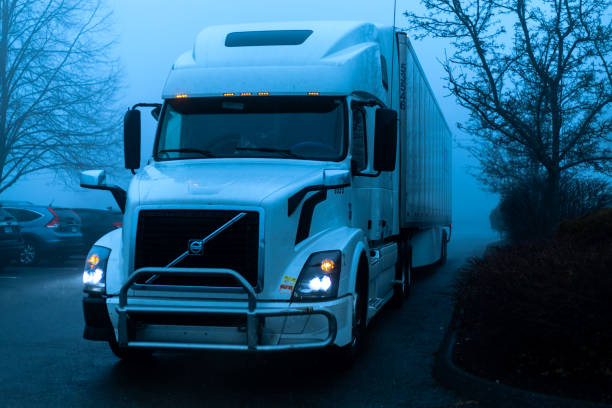

Operational Flexibility
By staying ahead of regulatory changes such as changing Hours-of-Service rules, emissions standards, or state-to-state licensing requirements Star Lite Trucking avoids surprises when operating across jurisdictions. This allows flexibility to route through different states, avoid restricted areas, and maintain operations even when new laws take effect.
Strategic Cost Management
Compliance often demands investment (new trucks, upgraded engines, digital systems, etc.). However, Star Lite Trucking treats regulatory compliance as a strategic component rather than just a cost. Proper maintenance avoids expensive breakdowns; optimized routes reduce fuel consumption; strong safety records reduce penalties and insurance premiums. These savings can be passed onto clients or used to improve service quality.
Star Lite Trucking Service Offerings that Support Your Logistics
To complement regulatory compliance, Star Lite Trucking offers services designed to make your logistics smoother. Below are several forms of transportation and hauling support they provide, each contributing specific benefits.
Freight Services
Freight services cover the core transportation of goods, whether by full‐truckload (FTL), less-than-truckload (LTL), or other arrangements. Star Lite Trucking tailors freight services to your shipment’s size, urgency, and destination. By matching the right equipment and route, they reduce cost and transit time.
Heavy Hauling
When your shipment involves oversized, heavy, or specialized loads, heavy hauling services are essential. Star Lite Trucking ensures that it secures the necessary permits, plans routes that accommodate size/weight restrictions, and adheres to safety and escort requirements. This prevents legal complications and ensures that heavy loads move without unnecessary delays.
Transportation Solutions
Transportation solutions is a broad term meaning the optimization of routes, selection of modes, coordination of pickups and deliveries, and handling of multimodal shipments. Star Lite Trucking integrates GPS tracking, route analysis, and sometimes intermodal options to offer cost-efficient and timely transportation solutions.
Hauling Services
Hauling services often imply moving raw materials, aggregates, construction equipment, or other specialty freight over short or long distances with the proper equipment. Star Lite Trucking maintains the right gear and trained staff to handle such hauling safely and in compliance with relevant regulations, which reduces the risk of damage or regulatory violation.
Operational Practices That Differentiate Star Lite Trucking
Star Lite Trucking not only follows rules but builds internal processes around them to add value for you.
-
Proactive Maintenance Programs: Vehicles are inspected regularly, preventative maintenance is done according to schedule, and parts replaced before failure. This reduces breakdowns and keeps your supply chain moving.
-
Driver Training and Safety Culture: Drivers are educated on regulations, safer driving practices, proper handling of paperwork, hours-of-service compliance, environmental best practices, and customer service.
-
Use of Technology for Tracking and Transparency: Real-time tracking allows you insight into where your freight is, expected arrival times, and proactive notifications in case of delays.
-
Compliance Monitoring and Audits: Internal audits, safety management systems, and review of regulatory compliance ensure that Star Lite Trucking remains in good standing and is prepared for external inspections.
Regulatory Risks When Carriers Do Not Comply
Understanding what happens when compliance is lax helps you appreciate why choosing a compliant carrier is so important.
-
Fines and Penalties: Carriers can be penalized for violations of FMCSA regulations, such as HOS infractions, vehicle inspections missed, improper licensing, environmental violations, etc.
-
Legal Liability: Accidents caused by negligence or poor maintenance can expose both the carrier and, in some cases, the shipper to legal liability.
-
Delays and Rejections: Shipments may be delayed at state lines or ports if a carrier does not meet environmental or licensing standards.
-
Reputation Damage: Broken promises, frequent delays or safety issues damage trust. Your business may suffer if associated with unreliable carriers.

Conclusion
Star Lite Trucking’s commitment to regulatory compliance, safety, technology integration, and specialized services (freight, heavy hauling, transportation solutions, hauling services) positions it as a logistics partner that enhances reliability, reduces risk, and improves efficiency. By staying up to date with industry rules from federal safety regulation to state environmental mandates Star Lite Trucking ensures smoother routes, fewer delays, and sharper cost control. Engaging with such a carrier means your supply chain becomes more predictable, responsive, and capable of adapting when regulations change.
FAQs
What certifications or licensing does Star Lite Trucking hold to ensure compliance?
Star Lite Trucking maintains an active USDOT number and required operating authorities. All drivers are certified with valid commercial driver’s licenses (CDLs). Registration forms such as MCS-150 and biennial updates are kept current to avoid lapses in authority.
How does Star Lite Trucking enforce Hours-of-Service rules?
They use electronic logging devices (ELDs) to monitor driving hours, rest periods, and duty status. Drivers undergo training on HOS rules, and dispatch schedules account for mandated rest and sleep breaks to ensure legal compliance.
What safety measures are in place to prevent breakdowns or accidents?
Preventative maintenance is central: vehicles are inspected regularly, scheduled repairs are made before failure, safety equipment is tested, and driver fitness is checked.
How are environmental regulations addressed by Star Lite Trucking?
The fleet uses vehicles that meet required emissions levels. Where state or local laws demand stricter emissions or the phasing‐out of older engines,
How does partnering with Star Lite Trucking reduce logistics costs for clients?
By avoiding costly fines and delays, minimizing downtime from breakdowns, optimizing routes and fuel use, and maintaining high safety ratings (which may reduce insurance premiums).