Different Types of Forceps Surgical Instruments: A Complete Guide
 Azee Med
Share this Post to earn Money ( Upto ₹100 per 1000 Views )

Surgical precision begins with the right instruments in skilled hands. Among the most fundamental tools in any operating room, Forceps serve as extensions of the surgeon's fingers, providing the delicate control needed for countless procedures. These forcepsversatile instruments come in numerous configurations, each designed for specific surgical applications, from grasping tissue to manipulating sutures with millimeter accuracy.
At Azeemed Instruments®, we understand that surgical success depends on superior instrument quality and reliability. Our comprehensive collection of different types of forceps surgical instruments reflects decades of innovation and our unwavering commitment to supporting medical professionals worldwide. Whether you're performing microsurgery or complex trauma procedures, the right forceps can make the difference between routine success and exceptional outcomes.
Understanding Forceps Classification Systems
The world of surgical forceps encompasses hundreds of variations, each engineered for specific anatomical regions and procedural requirements. Medical professionals categorize these instruments based on their intended use, tip configuration, and specialized features that enhance surgical precision.
Forceps classification typically follows anatomical lines, with instruments designed for general surgery, cardiovascular procedures, neurosurgery, orthopedics, and specialized fields like ophthalmology and microsurgery. This systematic approach helps surgeons quickly identify the optimal tool for each surgical step, reducing operative time and improving patient outcomes.
The design evolution of different types of forceps surgical instruments reflects advancing surgical techniques and our deeper understanding of tissue handling principles. Modern forceps incorporate ergonomic handles, specialized coatings, and precision-engineered tips that provide superior grip while minimizing tissue trauma.
Tissue Forceps for Precision Handling
Tissue forceps represent the backbone of surgical manipulation, designed to grasp, hold, and position delicate tissues without causing unnecessary damage. These instruments feature carefully calibrated tension mechanisms that allow surgeons to apply precise pressure while maintaining tactile feedback.
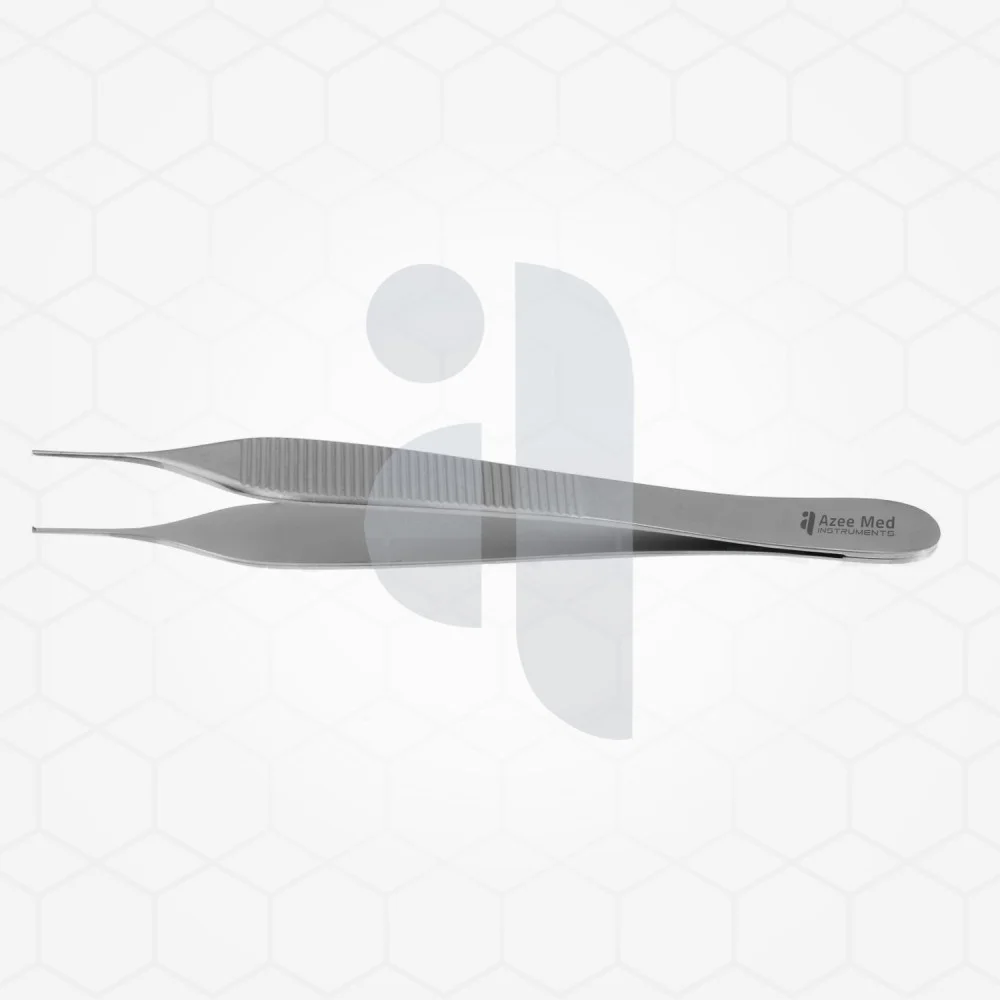
Adson forceps stand among the most recognizable tissue forceps, featuring fine tips with or without teeth for different tissue types. The toothed varieties excel at grasping skin and tougher tissues, while smooth-tip versions handle delicate structures like blood vessels and nerves. Many Adson forceps incorporate five tines on each tip, creating a secure grip pattern that distributes pressure evenly across the tissue surface.
DeBakey forceps revolutionized cardiovascular surgery with their distinctive longitudinal serrations that provide exceptional grip on vascular tissues. These forceps minimize vessel wall trauma while ensuring secure tissue control during delicate anastomoses and vessel repairs. The unique surface pattern prevents slipping without the crushing force associated with traditional toothed forceps.
Russian forceps, also known as thumb forceps, feature broad tips with prominent teeth designed for securing skin edges during closure. Their robust construction and reliable grip make them indispensable for plastic surgery and wound repair procedures where precise tissue alignment is critical.
Hemostatic Forceps for Bleeding Control
Controlling hemorrhage represents one of surgery's most critical challenges, making hemostatic forceps essential components of every surgical tray. These specialized instruments feature locking mechanisms that maintain constant pressure on blood vessels and tissues, freeing the surgeon's hands for other tasks.
Kelly forceps, with their curved or straight configurations, provide reliable hemostasis for medium-sized vessels. Their serrated jaws create secure closure while the ratchet mechanism maintains consistent pressure without fatigue. The curved variety excels in deep cavities where straight instruments cannot effectively reach target vessels.
Mosquito forceps, the smallest members of the hemostatic family, handle delicate vessels and fine tissue control with exceptional precision. Their fine tips and gentle action make them ideal for microsurgical applications and procedures requiring minimal tissue disturbance.
Crile forceps offer a middle ground between Kelly and mosquito forceps, providing versatile hemostatic control for various vessel sizes. Their balanced design and reliable locking mechanism make them popular choices for general surgical procedures.
Rochester-Pean forceps, the largest common hemostatic forceps, tackle major vessel control and heavy tissue manipulation. Their substantial size and powerful grip handle challenging hemostatic situations that smaller instruments cannot manage effectively.
Specialized Surgical Forceps
Modern surgery demands specialized instruments for unique procedural challenges, leading to the development of highly specific forceps designs. These instruments reflect the evolution of surgical techniques and our growing understanding of tissue-specific handling requirements.
Allis forceps feature distinctive teeth arrangements designed to grasp tissue edges and organ surfaces securely. Their multiple-tooth configuration, often incorporating five tines per side, distributes grasping force across a broader area, reducing tissue damage while maintaining reliable control. These forceps excel in procedures requiring secure tissue retraction or organ manipulation.
Babcock forceps utilize a different approach, featuring rounded, non-traumatic tips that gently encompass tubular structures like bowel or fallopian tubes. Their protective design prevents crushing injuries while maintaining adequate control for surgical manipulation.
Kocher forceps, with their heavy teeth and robust construction, handle tough tissues and provide secure grip on structures requiring firm control. Their aggressive design makes them suitable for grasping fascia, thick skin edges, or other resilient tissues that might slip from gentler instruments.
Microsurgical and Specialty Forceps
The advancement of microsurgical techniques has driven the development of ultra-precise forceps designed for procedures requiring exceptional delicacy and accuracy. These instruments incorporate advanced materials and manufacturing techniques to achieve the precision demanded by modern surgical practice.
Microsurgical forceps feature incredibly fine tips, often measuring less than 0.1mm in width, allowing surgeons to manipulate individual blood vessels, nerve fibers, and other microscopic structures. The manufacturing precision required for these instruments demands specialized facilities and quality control measures that ensure consistent performance.
Jeweler's forceps, borrowed from precision manufacturing industries, provide the ultimate in fine manipulation capability. Their spring-loaded design offers continuous tactile feedback while eliminating the hand fatigue associated with traditional forceps mechanisms.
Ophthalmologic forceps represent another specialized category, designed specifically for eye surgery procedures. These instruments feature ultra-smooth surfaces and precisely calibrated tips that can manipulate delicate ocular tissues without causing trauma.
Material Science and Manufacturing Excellence
The performance of different types of forceps surgical instruments depends heavily on material selection and manufacturing precision. Modern surgical forceps utilize high-grade stainless steel alloys that provide optimal strength, corrosion resistance, and biocompatibility.
Stainless steel grades like 440A and 440C offer exceptional edge retention and corrosion resistance while maintaining the flexibility needed for reliable instrument function. Some specialized forceps incorporate titanium alloys or carbon fiber components to reduce weight while maintaining strength and precision.
Surface treatments play crucial roles in forceps performance, with options including passivation for enhanced corrosion resistance, specialized coatings for improved grip, and polishing techniques that eliminate surface irregularities that could harbor contaminants.
At Azeemed Instruments®, our manufacturing processes incorporate advanced quality control measures that ensure every forceps meets exacting specifications. Our commitment to excellence extends from raw material selection through final inspection, guaranteeing that medical professionals receive instruments worthy of their expertise.
Selection Criteria for Optimal Performance
Choosing the right forceps for specific procedures requires understanding both the instrument characteristics and the surgical requirements. Successful selection considers factors like tissue type, anatomical access, procedural duration, and surgeon preferences.
Tip configuration represents the primary selection criterion, with smooth tips for delicate tissues, toothed varieties for secure grip, and specialized patterns like the five tines configuration for specific applications. The choice between straight and curved instruments depends on anatomical access and visualization requirements.
Handle design affects surgeon comfort and control, particularly during lengthy procedures. Ergonomic considerations include grip texture, overall length, and balance points that reduce hand fatigue while maintaining precise control.
Locking mechanisms vary among hemostatic forceps, with different ratchet designs providing varying degrees of closure force and release characteristics. Understanding these differences helps surgeons select instruments that match their technique preferences and procedural requirements.
Maintenance and Sterilization Protocols
Proper care and maintenance of surgical forceps ensure consistent performance and extended instrument life. These precision tools require specific handling protocols that preserve their accuracy while maintaining sterility standards.
Cleaning procedures must remove all organic debris while avoiding damage to delicate tips and mechanisms. Ultrasonic cleaning systems provide effective debris removal, but instrument positioning and cleaning solution selection require careful attention to prevent damage.
Sterilization compatibility varies among forceps types, with most standard instruments tolerating steam sterilization while specialized materials may require alternative methods. Understanding sterilization limitations prevents instrument damage and ensures reliable sterility.
Regular inspection protocols identify wear patterns, alignment issues, and other problems that could compromise surgical performance. Early detection of these issues allows for preventive maintenance that extends instrument life and maintains surgical safety.
Future Innovations in Forceps Design
The evolution of different types of forceps surgical instruments continues with advancing materials science, manufacturing techniques, and surgical understanding. Emerging technologies promise even greater precision and functionality for future generations of surgical forceps.
Smart forceps incorporating sensors and feedback systems may provide real-time information about tissue characteristics, grasping force, and other parameters that enhance surgical decision-making. These advanced instruments could revolutionize tissue handling techniques and improve surgical outcomes.
Additive manufacturing technologies enable custom forceps production tailored to specific surgical requirements or anatomical variations. This personalization potential could optimize instrument performance for individual surgeons or specialized procedures.
Advanced materials research continues developing new alloys and composites that offer superior performance characteristics while reducing weight and improving ergonomics. These materials may enable forceps designs that were previously impossible with traditional manufacturing methods.
Conclusion
The world of different types of forceps surgical instruments encompasses a vast array of specialized tools, each designed to meet specific surgical challenges with precision and reliability. From basic tissue forceps to highly specialized microsurgical instruments, these tools represent the convergence of advanced materials science, precision manufacturing, and deep understanding of surgical requirements.
At Azeemed Instruments®, our commitment to surgical excellence drives continuous innovation in forceps design and manufacturing. We understand that surgical success depends on instrument reliability and precision, which is why our products undergo rigorous quality control measures and incorporate the latest advances in surgical instrument technology.
Whether you need forceps with five tines for specialized grasping applications or ultra-fine microsurgical instruments for delicate procedures, the right tools make all the difference in surgical outcomes. Investing in high-quality forceps from trusted manufacturers ensures that medical professionals have the reliable instruments they need to provide exceptional patient care.
The future of surgical forceps promises even greater precision and functionality, with emerging technologies enhancing the capabilities of these essential instruments. As surgical techniques continue evolving, forceps design will adapt to meet new challenges while maintaining the fundamental principles of precision, reliability, and surgical excellence that define quality surgical instruments.











![[Latest] High Performance Polyamides Market to Cross $3.65 Billion in Total Revenue by 2030 | Riding on a Strong 6.72% CAGR](https://blog.rackons.in/uploads/images/202408/image_380x226_66af14ec5bca2.jpg)