Cow Dung Dhoop Sticks in Indian Culture: Tradition and Spiritual Significance
Cow dung dhoop sticks reflect India’s rich cultural and spiritual traditions, offering a convenient way to incorporate cow-based materials into modern pooja routines. Used during daily worship, festivals, and spiritual practices, they connect traditional rituals with contemporary lifestyles while highlighting cultural heritage, mindful worship, sustainability, and the significance of natural materials.
 Rohit Verma
Share this Post to earn Money ( Upto ₹100 per 1000 Views )

Walk into an Indian home during morning pooja, and there’s a good chance you’ll notice a familiar experience—the glow of a diya, the sound of a bell, fresh flowers near the deity, and a gentle fragrance filling the room. Fragrance has been closely connected with Indian spiritual practices for generations, whether through incense, sambrani, herbs, or traditional dhoop.
Among these traditional choices, cow dung dhoop sticks have gained renewed attention, particularly among people looking to reconnect with culturally rooted and naturally derived pooja essentials.
Cow dung itself has held a special place in Indian traditions for centuries. In rural households, it has historically been used in everyday life, agriculture, fuel preparation, and religious practices. Turning it into dhoop is another way traditional materials have found a place in spiritual routines.
But why are cow dung dhoop sticks associated with pooja? What makes them culturally significant, and how do they fit into modern Indian homes?
Let’s explore.
What Are Cow Dung Dhoop Sticks?
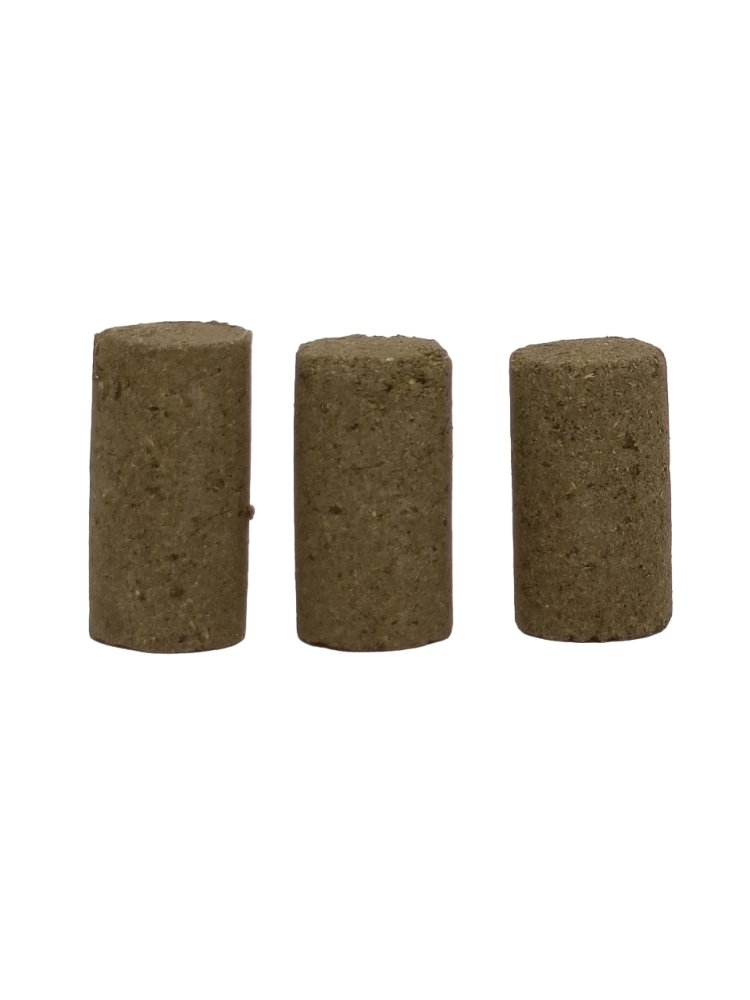
Cow dung dhoop sticks are traditional incense-style products made using dried cow dung as a primary material, often combined with other ingredients depending on the formulation. These may include herbs, plant-based materials, resins, or aromatic ingredients.
Unlike conventional incense sticks that are typically formed around a bamboo stick, some varieties of dhoop are designed to burn without a bamboo core.
Once lit and allowed to smolder, dhoop releases smoke and fragrance, making it suitable for pooja, meditation, and other traditional rituals.
For many people, however, the significance goes beyond fragrance. The use of cow-derived materials connects these products with longstanding Indian cultural and spiritual practices.
Why Does Cow Dung Hold Cultural Importance in India?
To understand the significance of cow dung dhoop sticks, it helps to understand the traditional relationship between Indian communities and cows.
Cows have occupied an important place in Indian agricultural and cultural life for generations. Milk, curd, ghee, dung, and urine have historically been used in different household, agricultural, and ritual contexts.
Cow dung, in particular, has traditionally served practical purposes. In rural communities, dried cow dung cakes have been used as fuel, while cow dung has also been used in agriculture and certain traditional household practices.
It also appears in religious ceremonies, including some forms of havan and other rituals.
Because of this long history, using cow dung in spiritual products is not a completely new idea. Cow dung dhoop sticks simply offer a convenient format that can fit into contemporary homes while drawing inspiration from older practices.
The Role of Dhoop in Indian Pooja
Think about a typical pooja setup. You might have flowers, water, diya, prasad, and incense arranged near the deity.
Each element contributes to the overall ritual experience.
Burning incense or dhoop is traditionally associated with offering fragrance during worship. The aroma and rising smoke can also help create a distinct atmosphere that signals it is time for prayer, reflection, or meditation.
That sensory experience matters.
Our surroundings can influence how easily we shift from everyday tasks to a quieter moment. Lighting cow dung dhoop sticks during pooja can become part of that transition, especially for families who prefer cow-based pooja materials.
Cow Dung Dhoop Sticks and Traditional Rituals
The use of cow dung in Indian rituals goes back much further than modern packaged dhoop products.
Dried cow dung cakes, for example, have traditionally been used as fuel in certain havans and ceremonies. Cow dung may also appear in traditional practices connected with religious spaces and household rituals, although customs differ considerably between regions and communities.
Cow dung dhoop sticks adapt that traditional material into an easy-to-use form.
Instead of preparing materials from scratch, households can use ready-made dhoop during daily worship, festival poojas, or spiritual practices. This can make traditional elements more accessible for people living in apartments and urban homes.
A Connection Between Rural Traditions and Modern Homes
For generations, rural Indian households had direct access to cattle and cow-derived materials. Cow dung could be collected, shaped, dried, and used for different purposes within the household.
Modern lifestyles are different.
Someone living in Mumbai, Bengaluru, Delhi, or another large city probably isn't going to prepare traditional cow dung materials at home. Yet that doesn't necessarily mean they want to leave traditional practices behind.
Products such as cow dung dhoop sticks can act as a bridge between the two worlds.
They offer a convenient way to incorporate a familiar traditional material into modern spiritual routines without requiring the preparation that might have been practical in earlier generations.
Why Are People Choosing Cow Dung Dhoop Sticks Today?
Tradition is certainly one reason, but changing consumer preferences also play a role.
Many households today pay closer attention to what everyday products are made from. This includes everything from food and skincare to cleaning products and pooja essentials.
People interested in traditional, cow-based, or plant-derived spiritual products may therefore explore cow dung dhoop sticks as an alternative to conventional dhoop.
Sustainability can also influence buying decisions. Cow dung is a naturally occurring agricultural by-product, and using it to create useful products can support resource utilization within cattle-based rural economies.
Of course, the exact environmental profile of any dhoop product depends on its complete formulation, manufacturing, packaging, and transportation—not simply one ingredient.
Cow Dung Dhoop Sticks During Festivals
Indian festivals are full of sensory traditions. Diwali has lamps, Holi has colors, and countless religious occasions include flowers, food offerings, chanting, bells, and fragrance.
Dhoop can naturally become part of these celebrations.
Cow dung dhoop sticks may be used during home poojas, festival rituals, religious ceremonies, and other devotional occasions according to individual family traditions.
Some people may use them during daily morning or evening worship, while others may reserve them for special occasions.
There is no single routine that represents every household. Indian spiritual traditions are incredibly diverse, and practices vary across families, regions, and communities.
Creating a Mindful Pooja Routine
You don't need an elaborate pooja room to create a meaningful spiritual routine.
A small clean corner, a diya, flowers, and a few minutes of quiet can be enough for many people. Adding fragrance through dhoop can help create a dedicated atmosphere for that time.
If you use cow dung dhoop sticks, place them in a suitable heat-resistant holder and keep them away from curtains, paper, children, and pets. Use them in a well-ventilated space and never leave burning dhoop unattended.
Remember that “natural” smoke is still smoke. People who are sensitive to smoke or fragrance should take extra care and choose an approach that works for their household.
More Than Just Fragrance
For someone unfamiliar with Indian traditions, a dhoop stick might simply look like a fragrant product that is burned indoors.
But within a cultural context, its meaning can be much broader.
For many households, cow dung dhoop sticks represent a combination of tradition, ritual, familiar materials, and spiritual atmosphere. They connect contemporary pooja practices with the historical importance of cattle and cow-derived resources in Indian life.
At the same time, modern products make these traditions easier to incorporate into today's routines.
Keeping Traditional Practices Relevant
Traditions survive when they can adapt without losing their meaning.
Our homes have changed, cities have expanded, and daily routines have become busier. Yet the simple practice of setting aside time for pooja continues in countless households.
Cow dung dhoop sticks are one example of how a traditional material can take a modern, convenient form. They can complement pooja, meditation, festivals, and spiritual rituals while maintaining a connection with India's cultural heritage.
Ultimately, their significance isn't simply about what burns or what fragrance fills the room. It is about the tradition behind the ritual, the intention with which it is performed, and the sense of connection it creates.