
Bodpathri Lakes Trek: The Untold Story of Kashmir’s Hidden Alpine Jewels
The Bodpathri Lakes Trek in Kashmir is a serene adventure through meadows, pine forests, and pristine alpine lakes. Remote and untouched, it offers breathtaking scenery, cultural encounters with nomadic shepherds, and a peaceful escape far from crowded tourist trails.
 shazia
Share this Post to earn Money ( Upto ₹100 per 1000 Views )
Some treks in Kashmir are famous because of their popularity; others are legendary because they remain unknown. The Bodpathri Lakes Trek falls into the second category — a remote trail, away from the chatter of tourist hotspots, leading to a collection of alpine lakes that few have seen, and fewer still have camped beside.
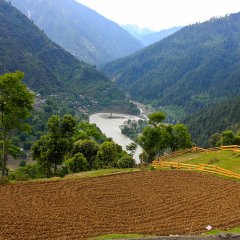
Imagine standing in a meadow where wildflowers brush against your boots, mountains rise like guardians on all sides, and a glacial stream sings in the distance. Here, the air smells of pine, the silence feels sacred, and the lakes are so clear they mirror the clouds above. That’s Bodpathri.
The Road Less Taken
The journey begins in Srinagar, a city often celebrated for Dal Lake and Mughal gardens, but for trekkers, it’s the start of countless adventures. A drive through winding hill roads leads to Doodhpathri, the ‘Valley of Milk,’ named for its frothy white river rapids. This is the point where the usual holiday ends, and the real trek begins.
The trail moves through thickets of pine and birch, then bursts into vast grasslands where you’ll see herds of sheep grazing under the watch of Gujjar shepherds. These pastoral scenes feel like they belong to another century, untouched by the rush of modern life.
First Sight of the Lakes
The Bodpathri lakes reveal themselves gradually. The first one often takes trekkers by surprise — a sudden flash of blue behind a ridge. The surface is still, as if holding its breath, reflecting not just the sky but the very soul of the valley.
Each lake along the route is slightly different. Some are framed by sharp rock faces, others lie in open basins surrounded by wildflowers. The water is icy, fed by melting snow patches that cling to the mountains well into summer.
Best Time to Visit
Mid-June to September is when Bodpathri truly comes alive. Early summer treks offer a mix of snow and blooming meadows, while late summer shows the highlands in full green splendor. By September, the landscapes turn golden, with crisp air that makes the views sharper and the nights colder.
Trail Difficulty and Experience
The Bodpathri Lakes Trek is rated moderate, meaning it’s accessible to those with reasonable fitness and some trekking experience. The altitude doesn’t soar into extreme heights, but the daily walking hours — averaging six to seven — demand stamina.
Rocky paths, stream crossings, and occasional muddy sections add to the challenge, making good footwear and trekking poles a wise choice.
A Day-by-Day Outline
Day 1: Srinagar to Doodhpathri
Drive through apple orchards and pine forests to reach Doodhpathri. Overnight in camp.
Day 2: Doodhpathri to Bodpathri Meadows
A gentle ascent through forested trails and open pastures.
Day 3: Bodpathri Meadows to First Lake
The climb begins, and so does the magic. Camp near the lake.
Day 4: Explore the Lake Cluster
A day to wander between multiple alpine lakes, taking in each unique setting.
Day 5: Descent to Doodhpathri and Return to Srinagar
Retrace your steps, carrying memories that feel almost unreal.
Cultural Touchpoints
Part of the trek’s charm lies in meeting Gujjar and Bakarwal communities. These nomadic herders live in temporary shelters, tending to animals and moving with the seasons. They often welcome trekkers with warm smiles and hot tea, sharing stories of the mountains they call home.
Such encounters add depth to the trek, turning it from a scenic journey into a cultural one.
Why It’s Still Untouched
Bodpathri’s remoteness has kept it off the radar of most commercial trekking circuits. There are no tea stalls, no souvenir shops, and no large trekking crowds. What you get instead is a pure, raw wilderness experience — something increasingly rare in the age of Instagram-fueled tourism.
Packing for Bodpathri
-
Warm Layers – Nights are cold, even in July.
-
Waterproof Gear – Sudden showers are common.
-
Good Shoes – Sturdy grip is essential for rocky terrain.
-
Sleeping Bag – If not provided by the operator.
-
Trekking Poles – For stability on descents.
-
First Aid & Essentials – No medical facilities on the route.
Planning and Logistics
This is a trek best done with experienced guides who know the terrain, weather patterns, and camping spots. Many trekkers choose to plan their journey with Cliffhangers India, a platform known for organizing safe and well-managed treks in remote corners of Kashmir.
Why Bodpathri is Worth the Effort

-
Secluded Beauty – No tourist rush, no noise.
-
Diverse Landscapes – Meadows, forests, lakes, and ridges.
-
Cultural Encounters – Insight into nomadic life.
-
Photographic Opportunities – Every turn is frame-worthy.
Travel Responsibly
As one of Kashmir’s lesser-touched trails, Bodpathri is vulnerable. Camp only at designated spots, avoid littering, and respect the grazing lands of shepherds. The goal is to leave the landscape exactly as you found it, ensuring future trekkers can enjoy the same unspoiled beauty.
Final Thoughts
The Bodpathri Lakes Trek is not a journey you take to tick off a checklist. It’s an experience that stays with you — in the sound of streams rushing over stones, in the sight of lakes shimmering under a high-altitude sun, and in the silence that only remote mountains can hold.
For those willing to step off the beaten path, Bodpathri offers something rare: a sense of discovery in a world where almost everything feels known. Here, every bend hides a view you’ve never seen, and every lake feels like it was waiting just for you.
















